RETROSPECTIVE 2018 - SINGAPOUR - 2/6

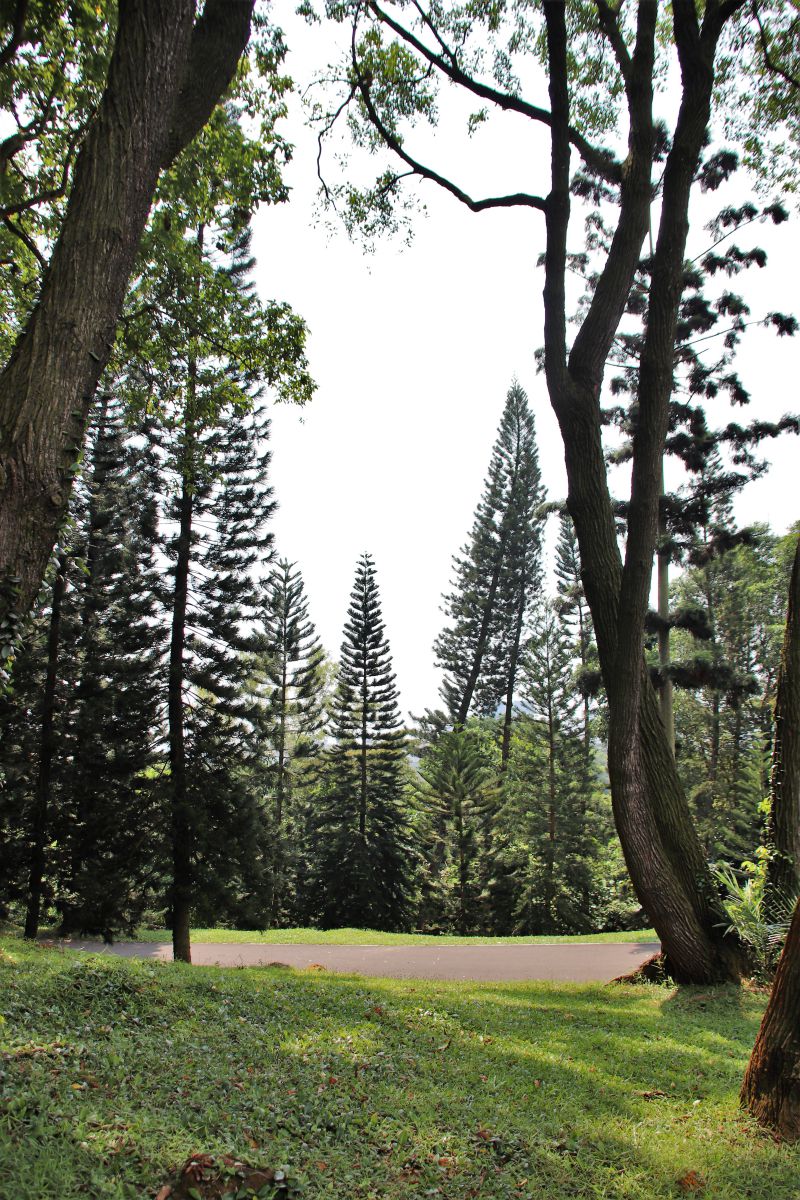
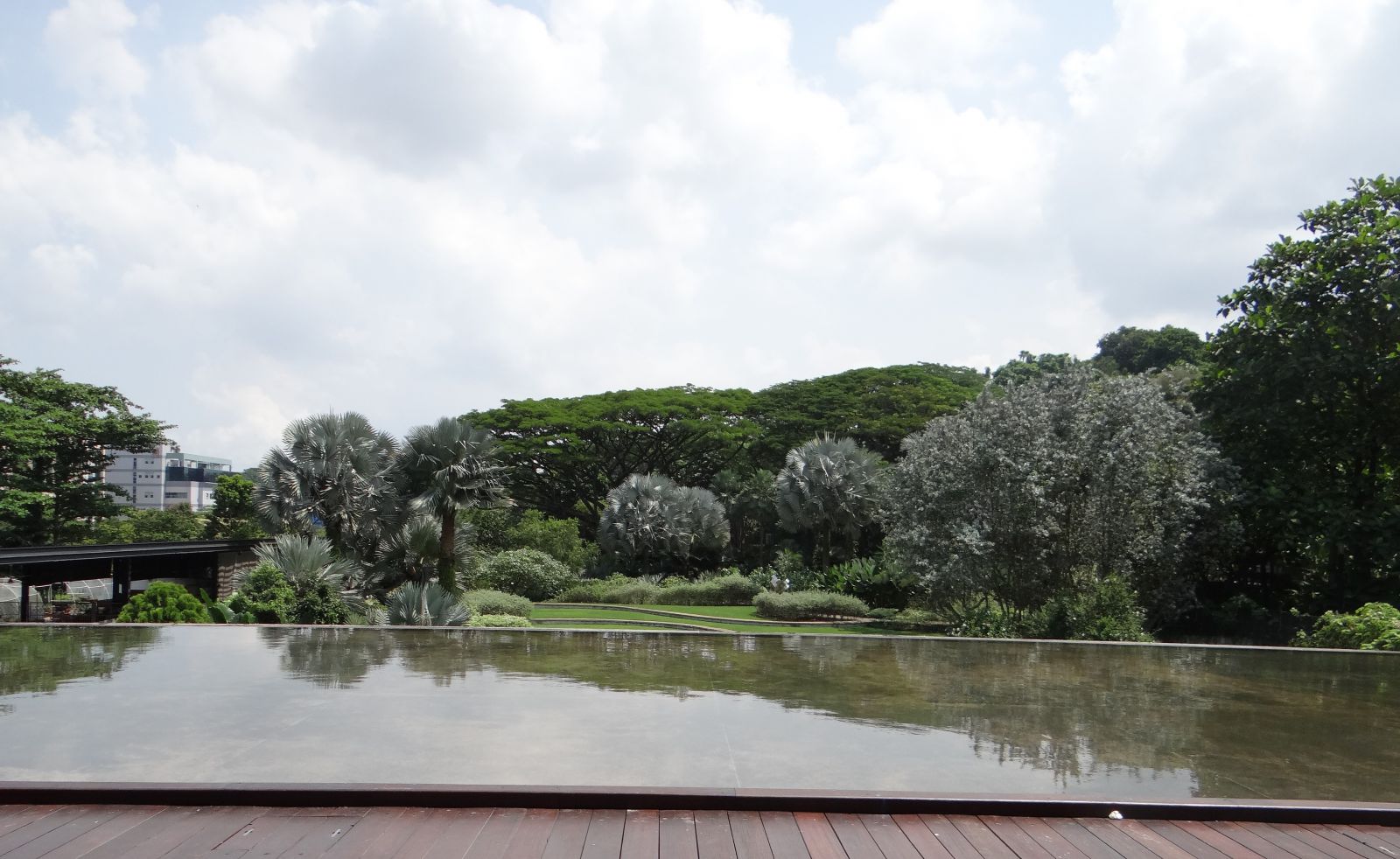
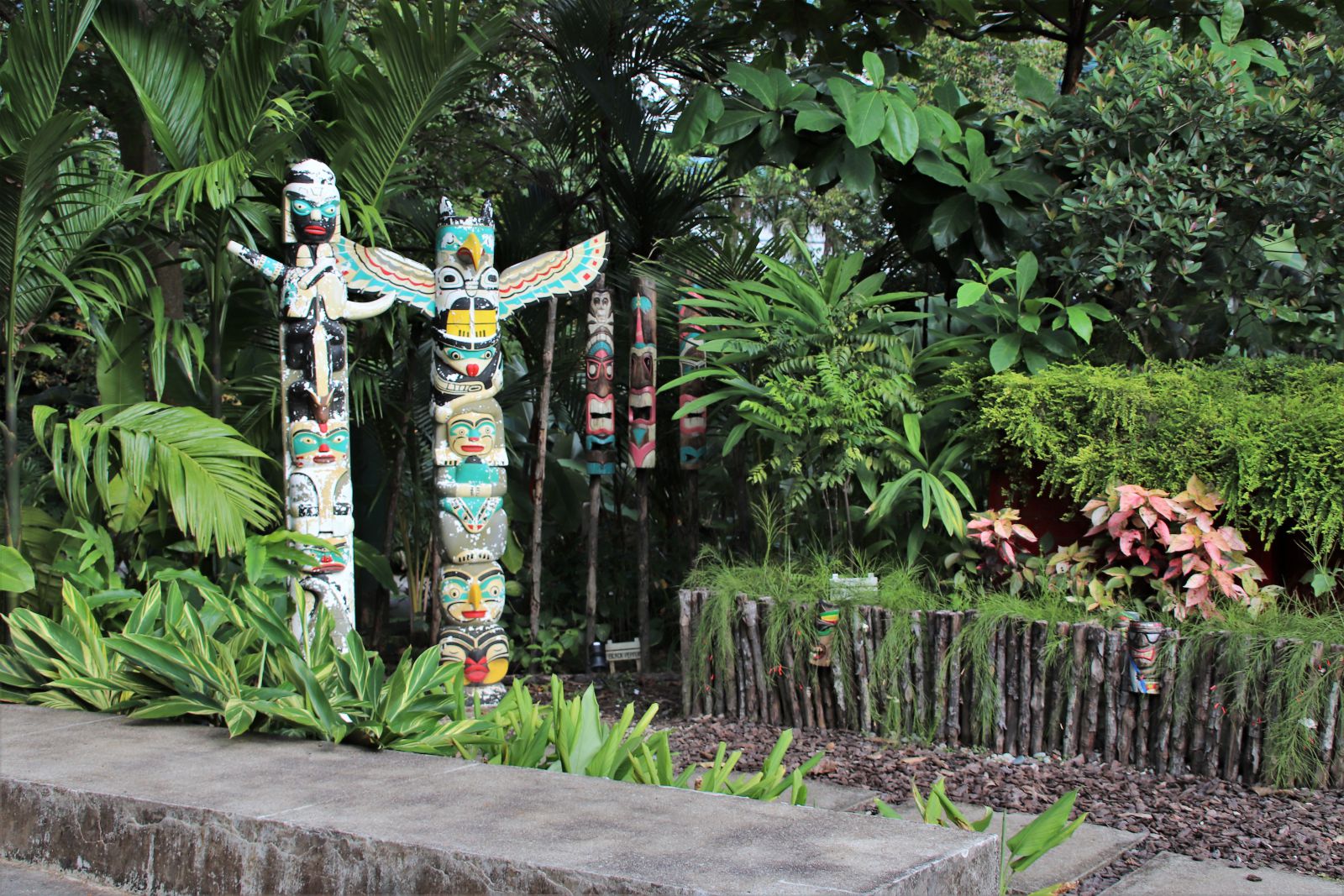
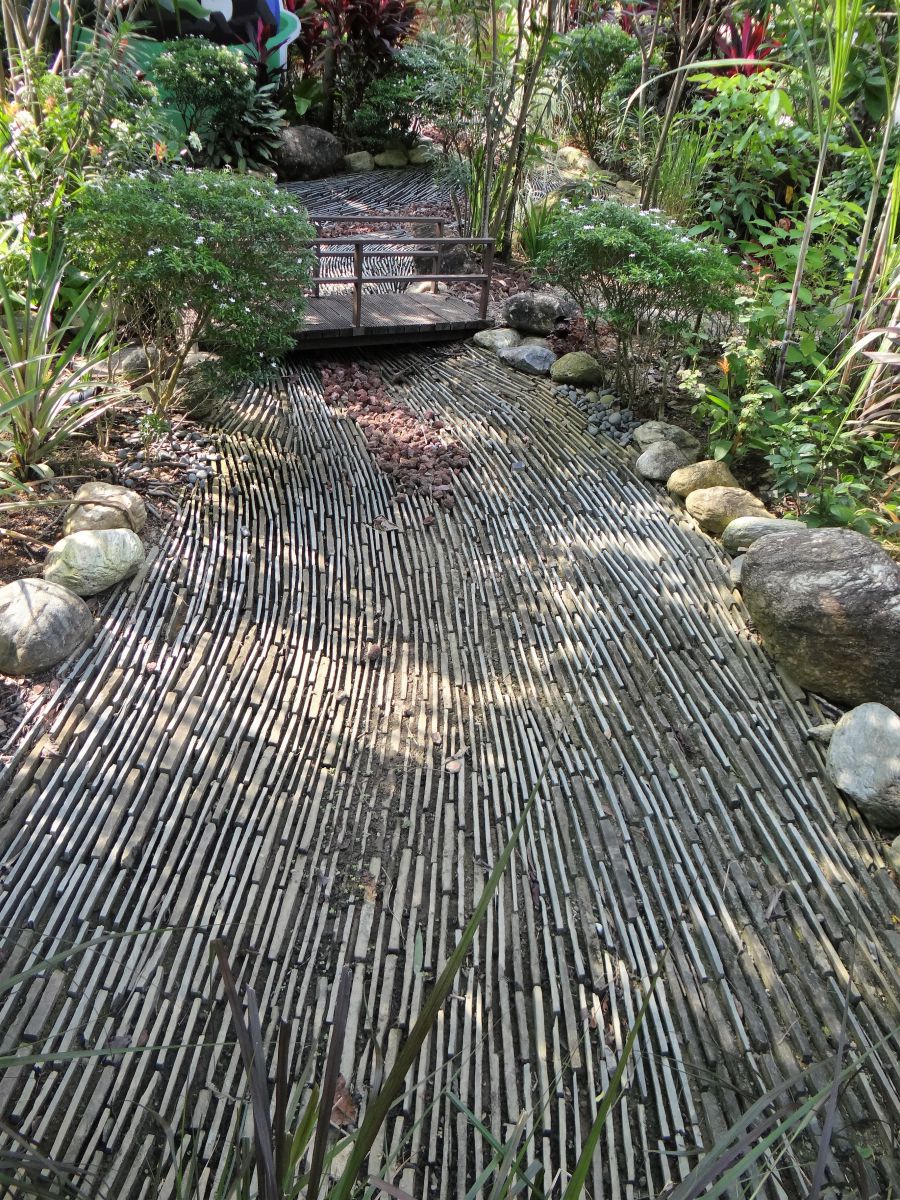
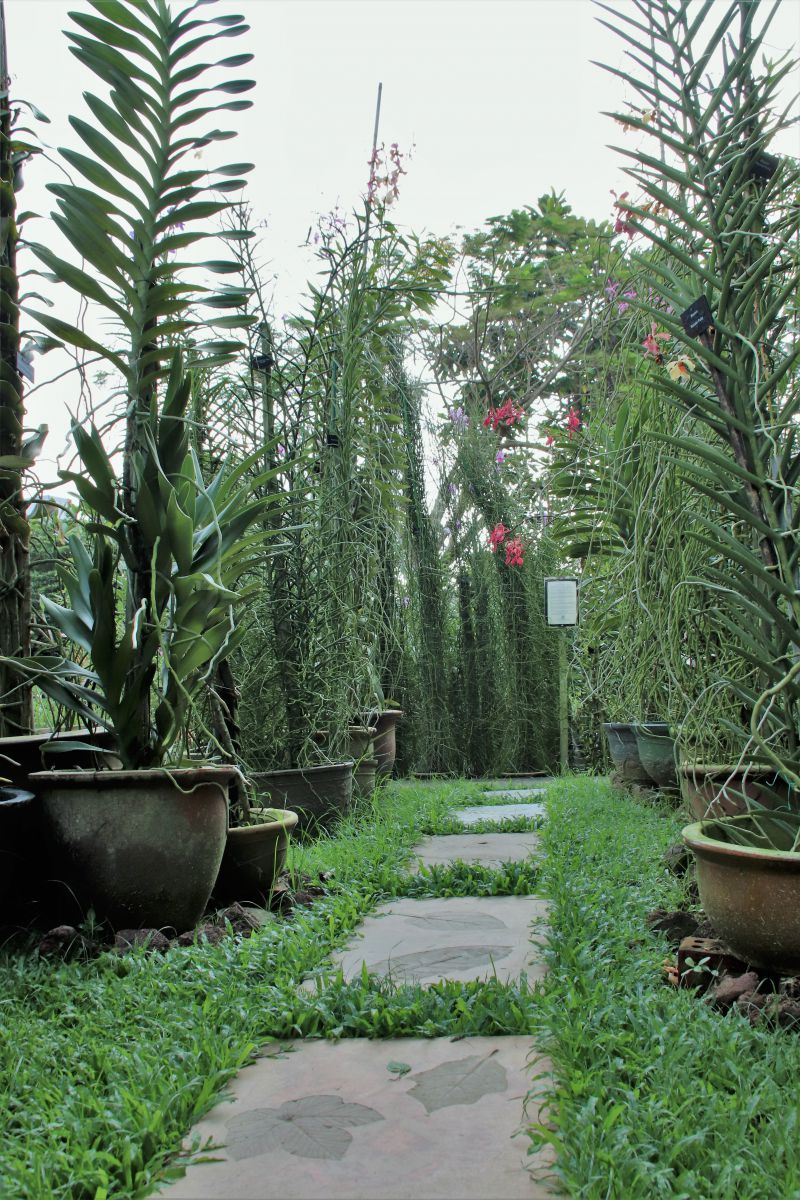
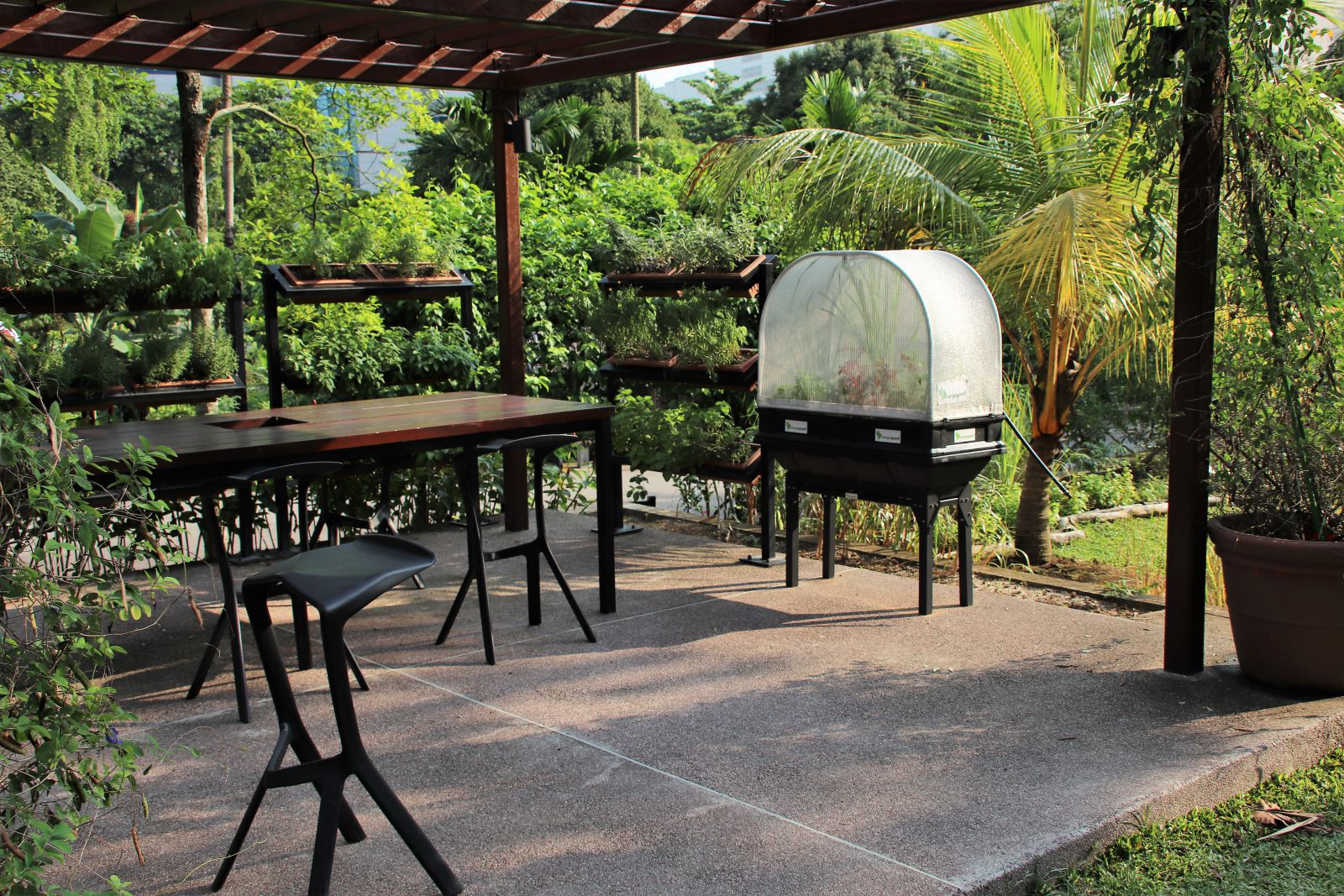
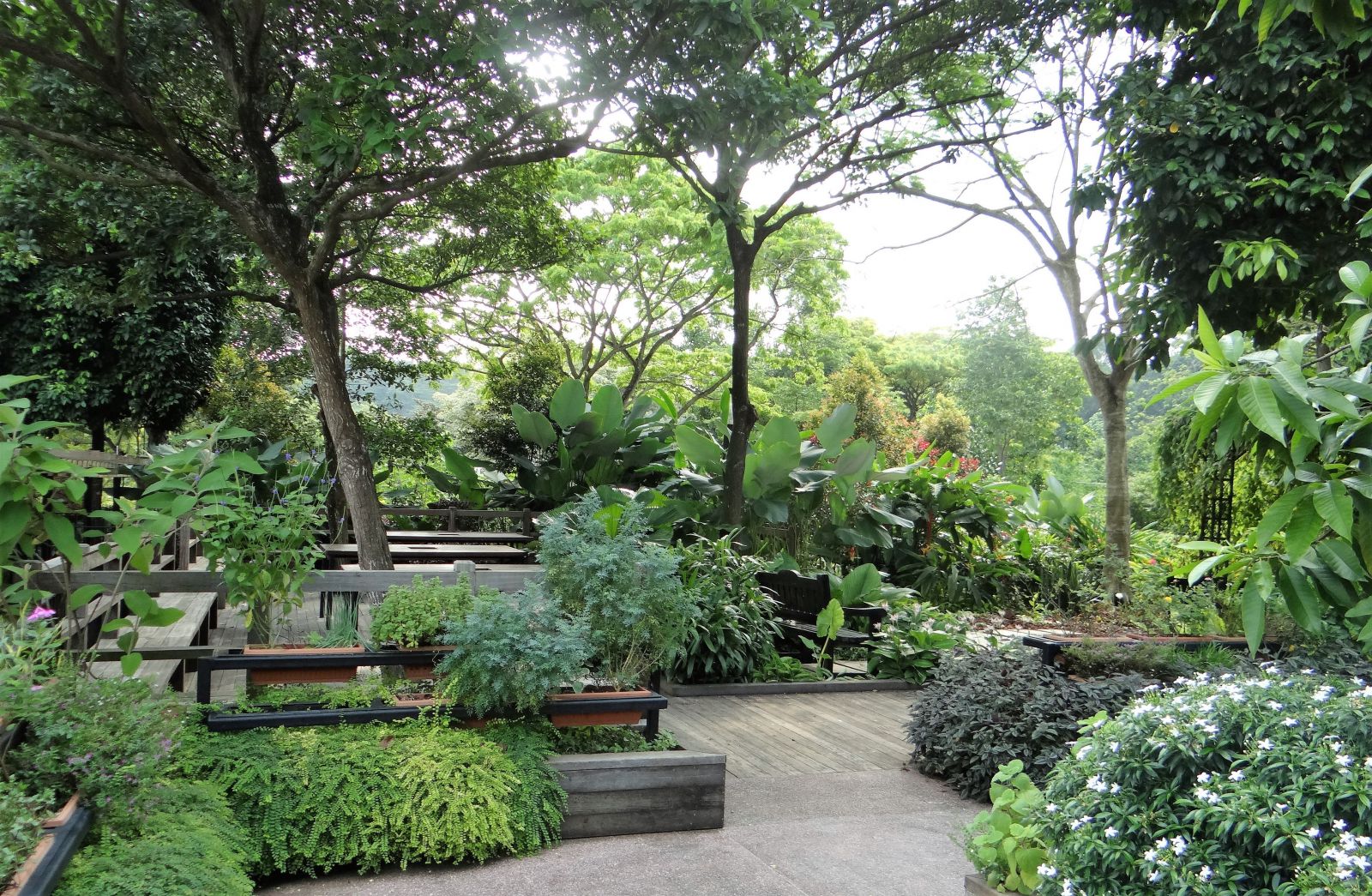
A Singapour, les lieux de nature sont nombreux. A côté des plus connus et visités, il y en a bien d'autres qui remplissent un rôle indéniable. La politique de la ville veut que chaque habitant puisse profiter d'un lieu vert à moins de 20 minutes à pied de son logement. A l'ouest de la pointe centrale, on trouve une bande étroite mais longue de 7km regroupant 3 parcs en enfilade: Kent Ridge Park, Hort Park et Mount Faber Park, mélant jungle urbaine au sens propre et parc à vocation didactique et horticole, comme le Hort Park. On y trouve des sentiers faciles d'accès ou très escarpés, ainsi que des passerelles qui nous balladent à la cime des arbres. Tous y trouve du bonheur et de la fraicheur, cyclistes, coureurs, piétons. La végétation est luxiriante, naturelle mais domptée ou organisée. La faune s'y épanouit simplement, en cohabitation avec l'homme.


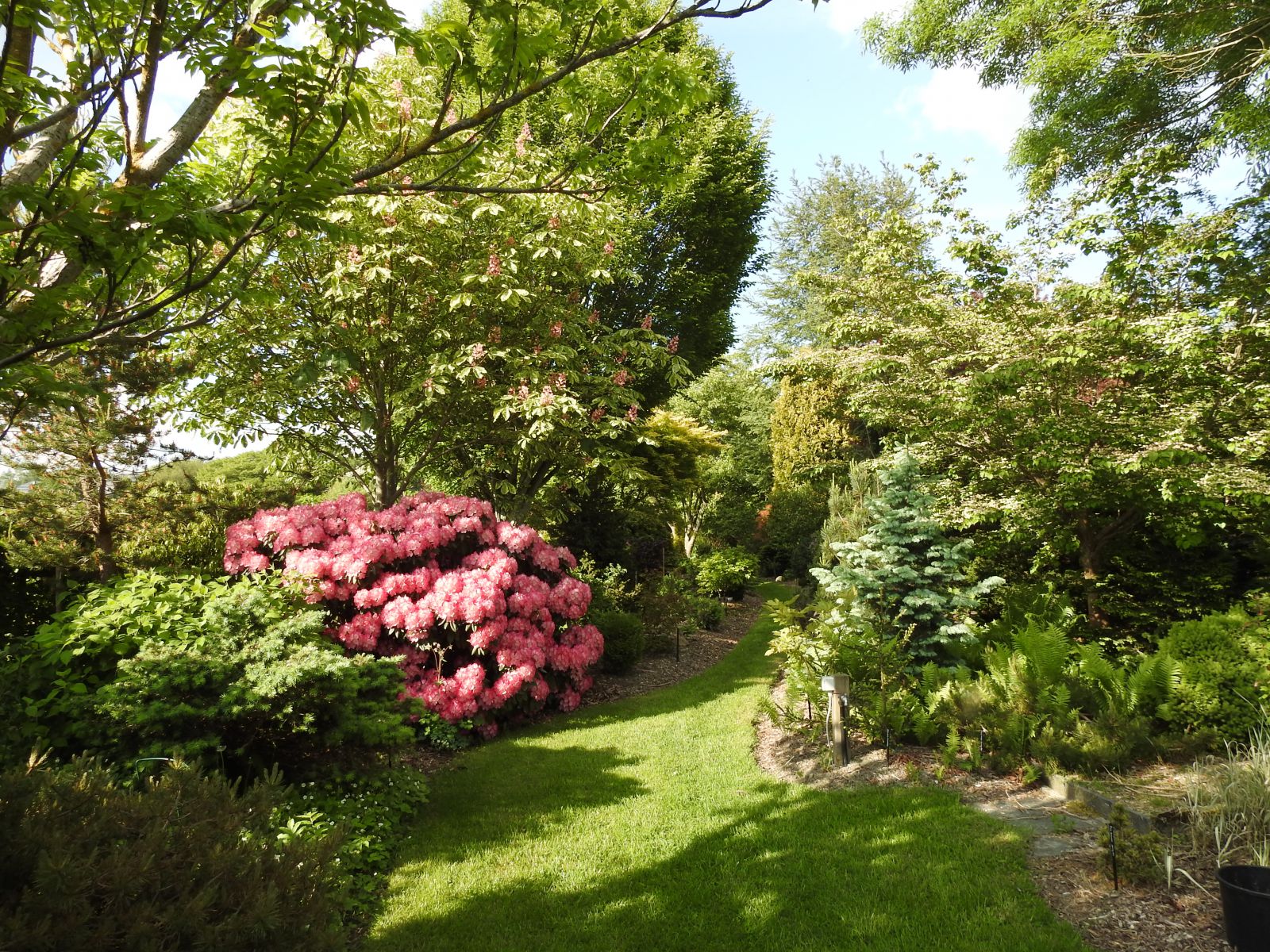
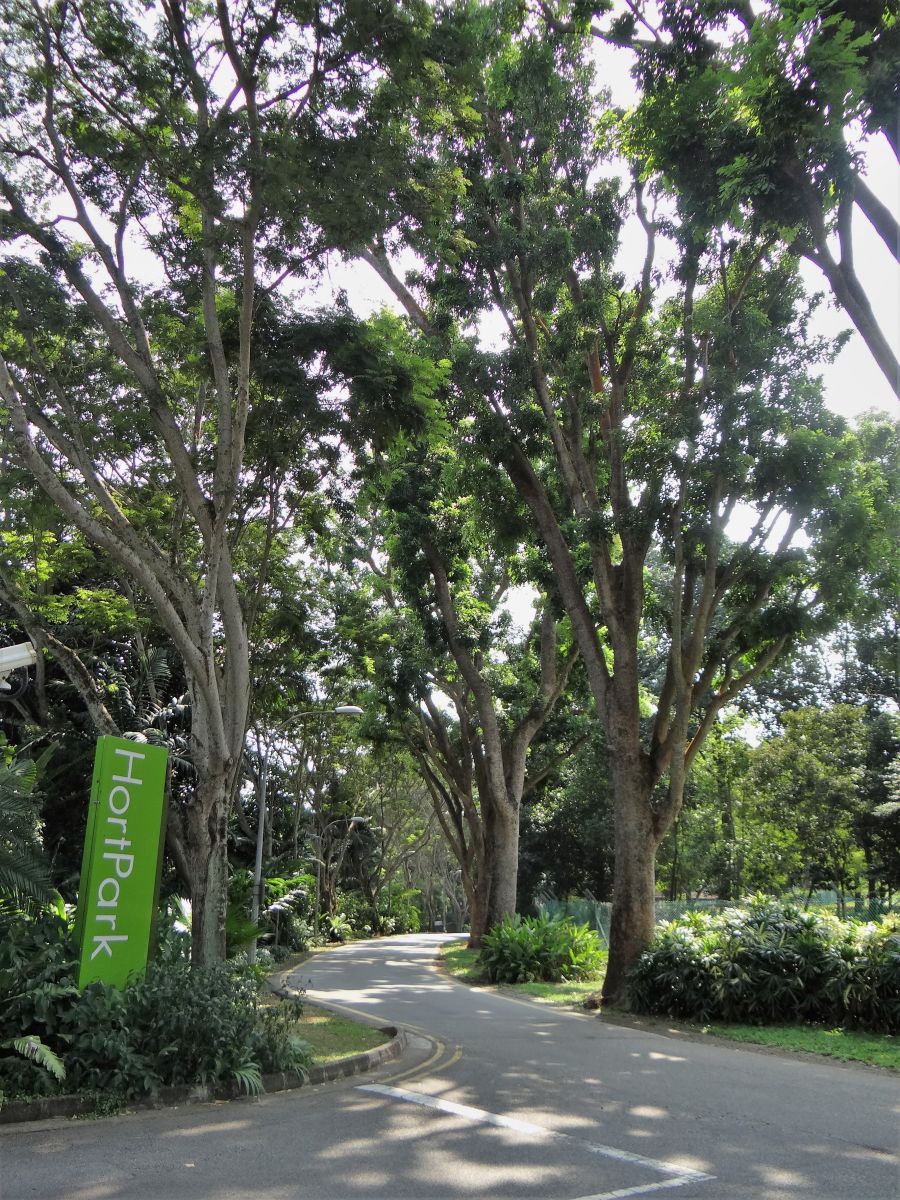
HORT PARK

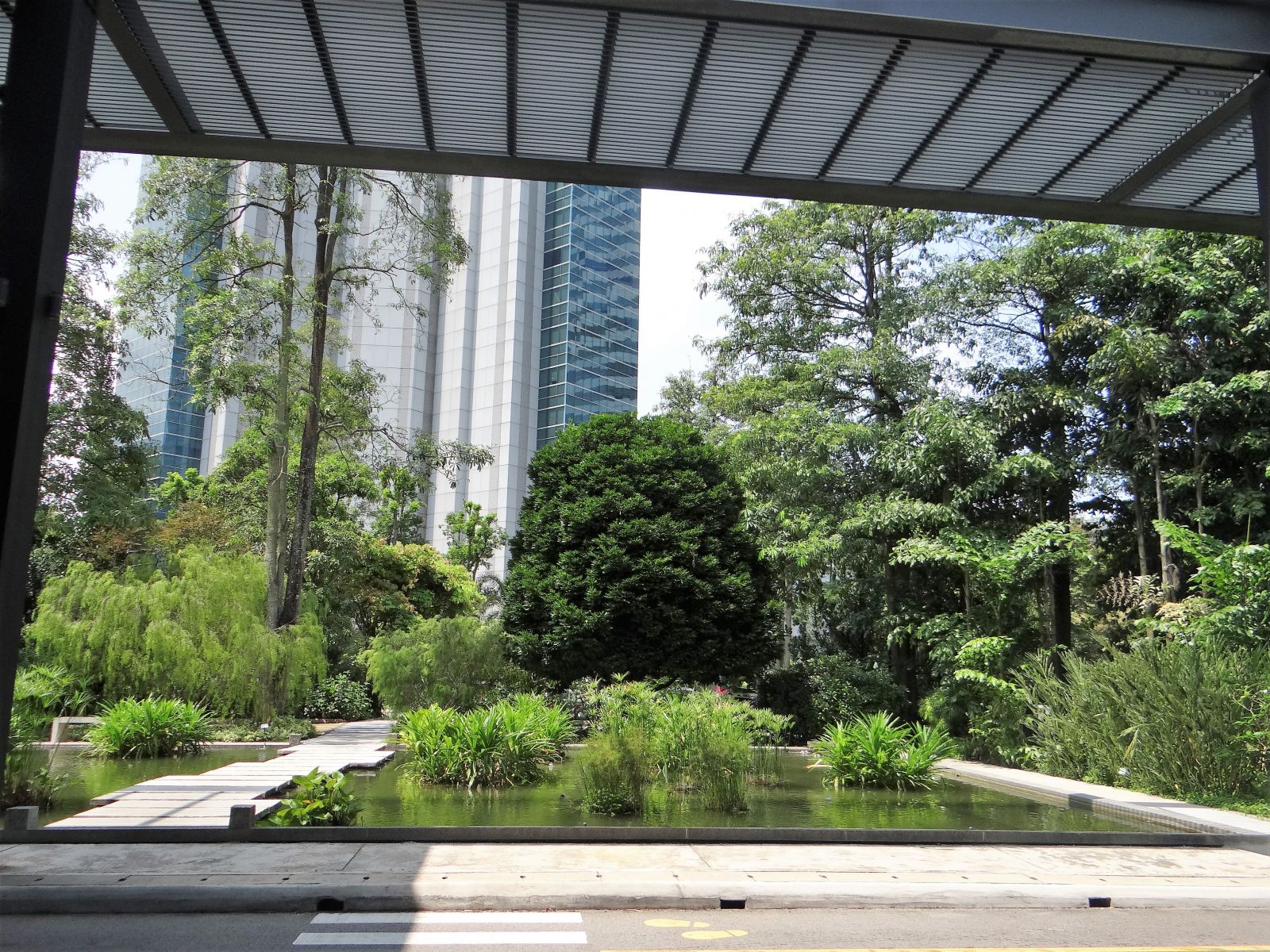
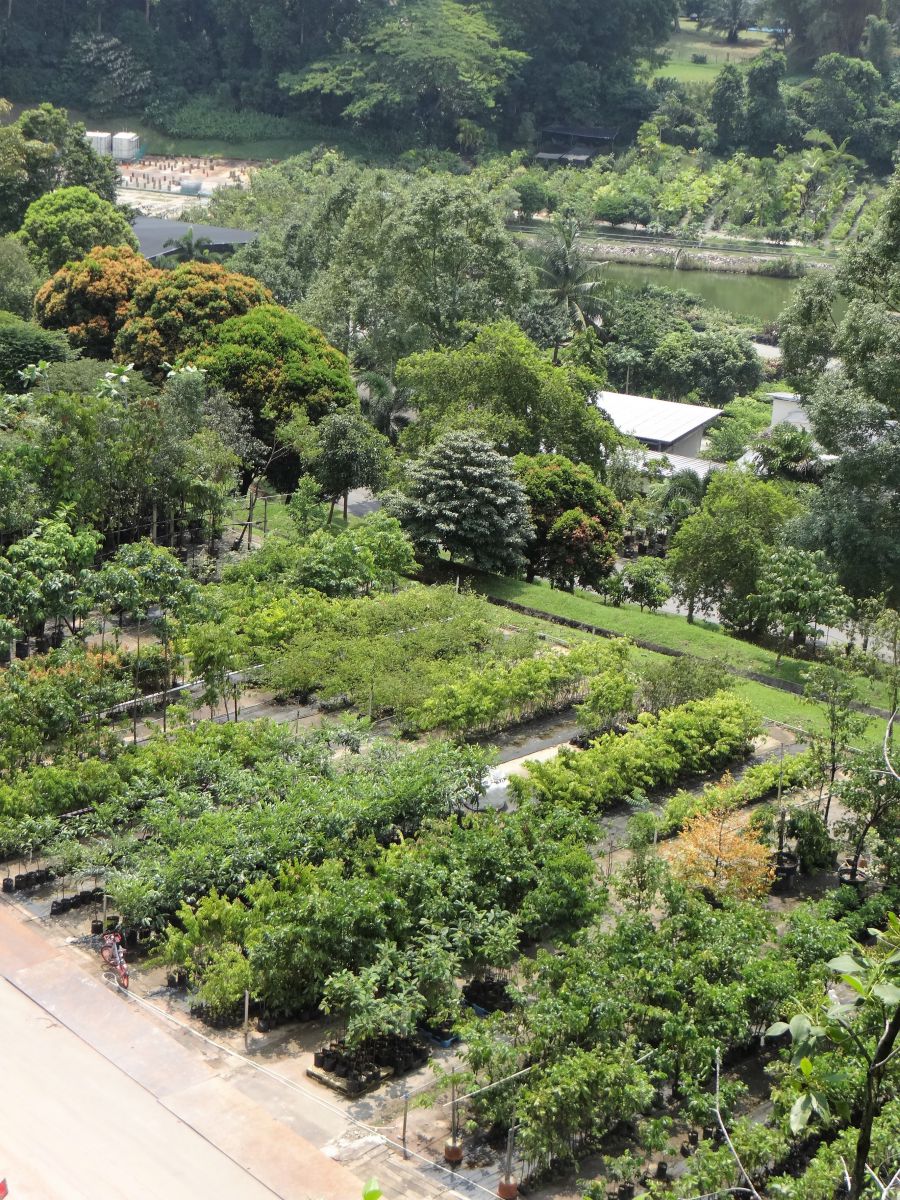
Véritable fenêtre de verdure sur la ville, Il s'agit de la partie la plus structurée du parc. Une zone entière est réservée à une pépinière de production qui alimente l'ensemble des parcs.


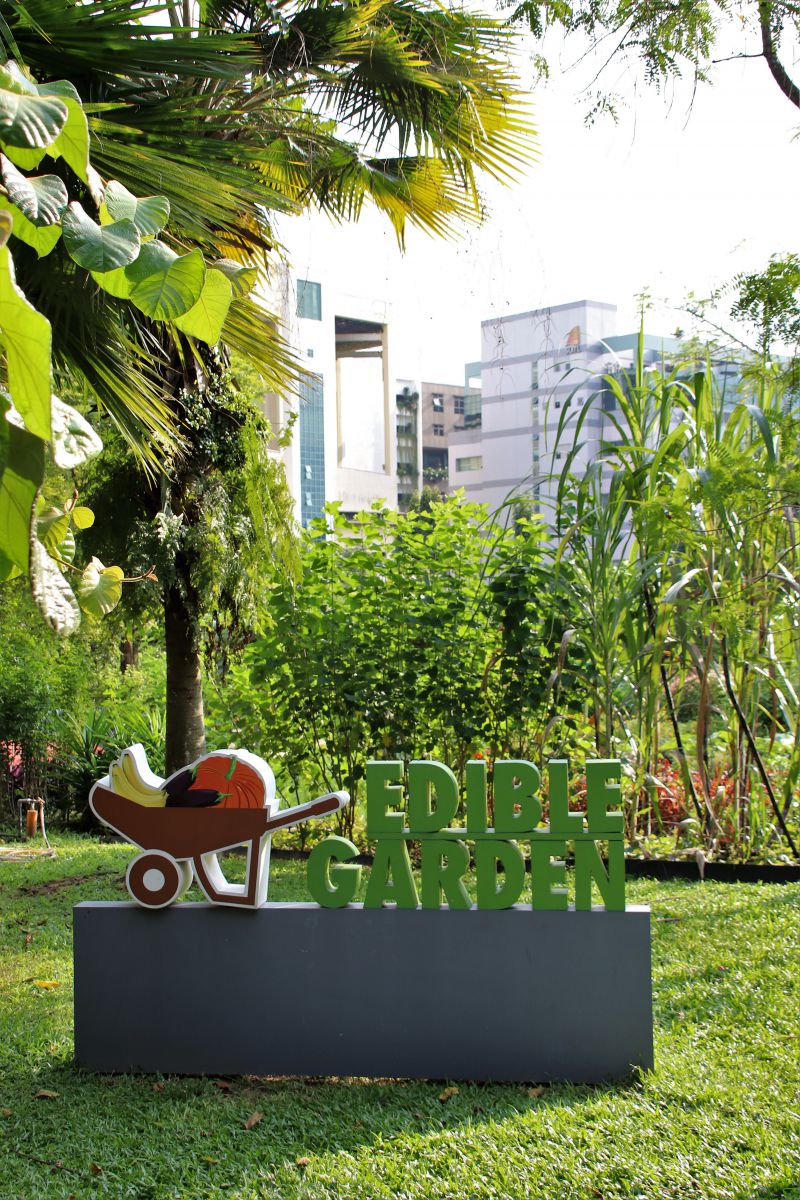
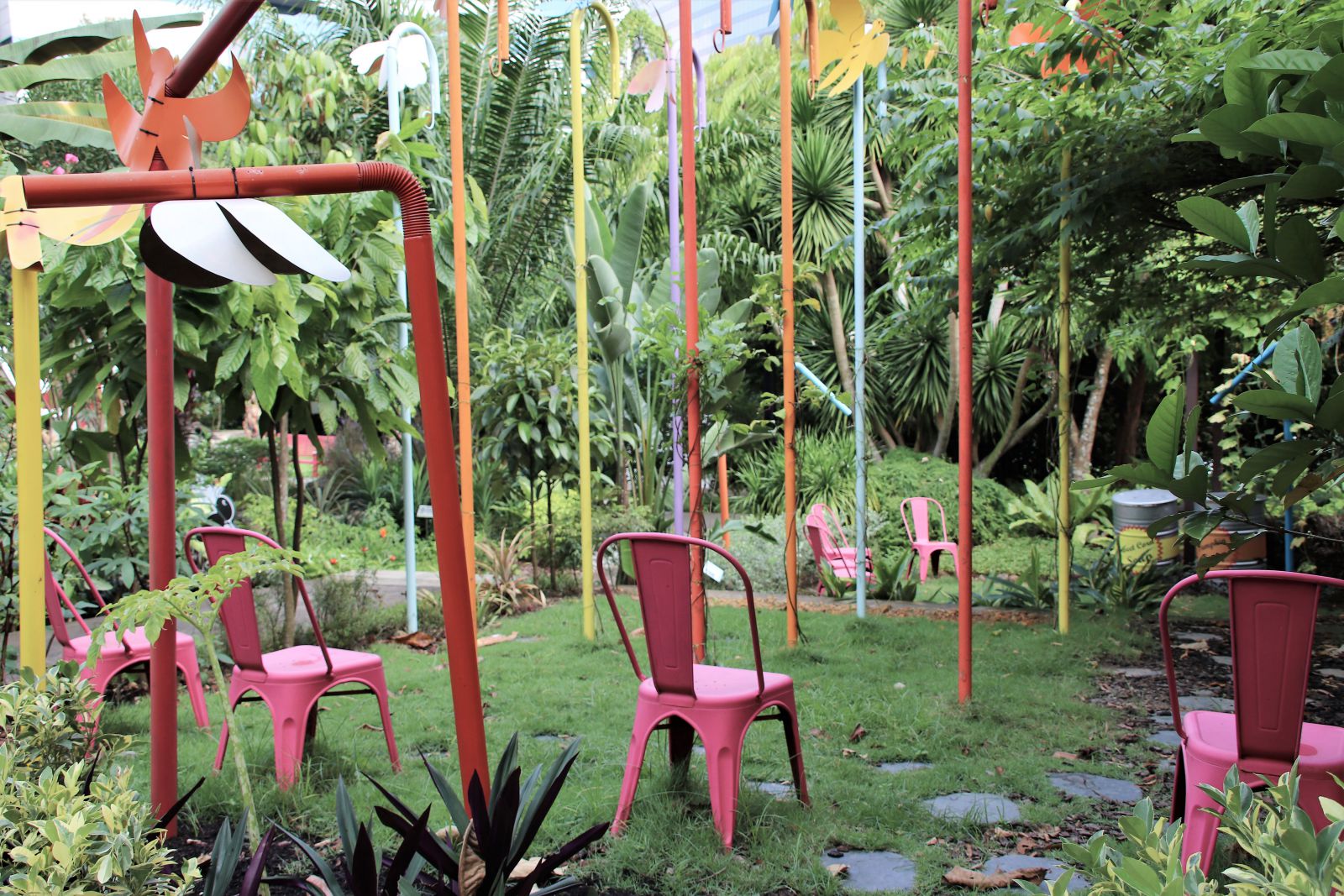
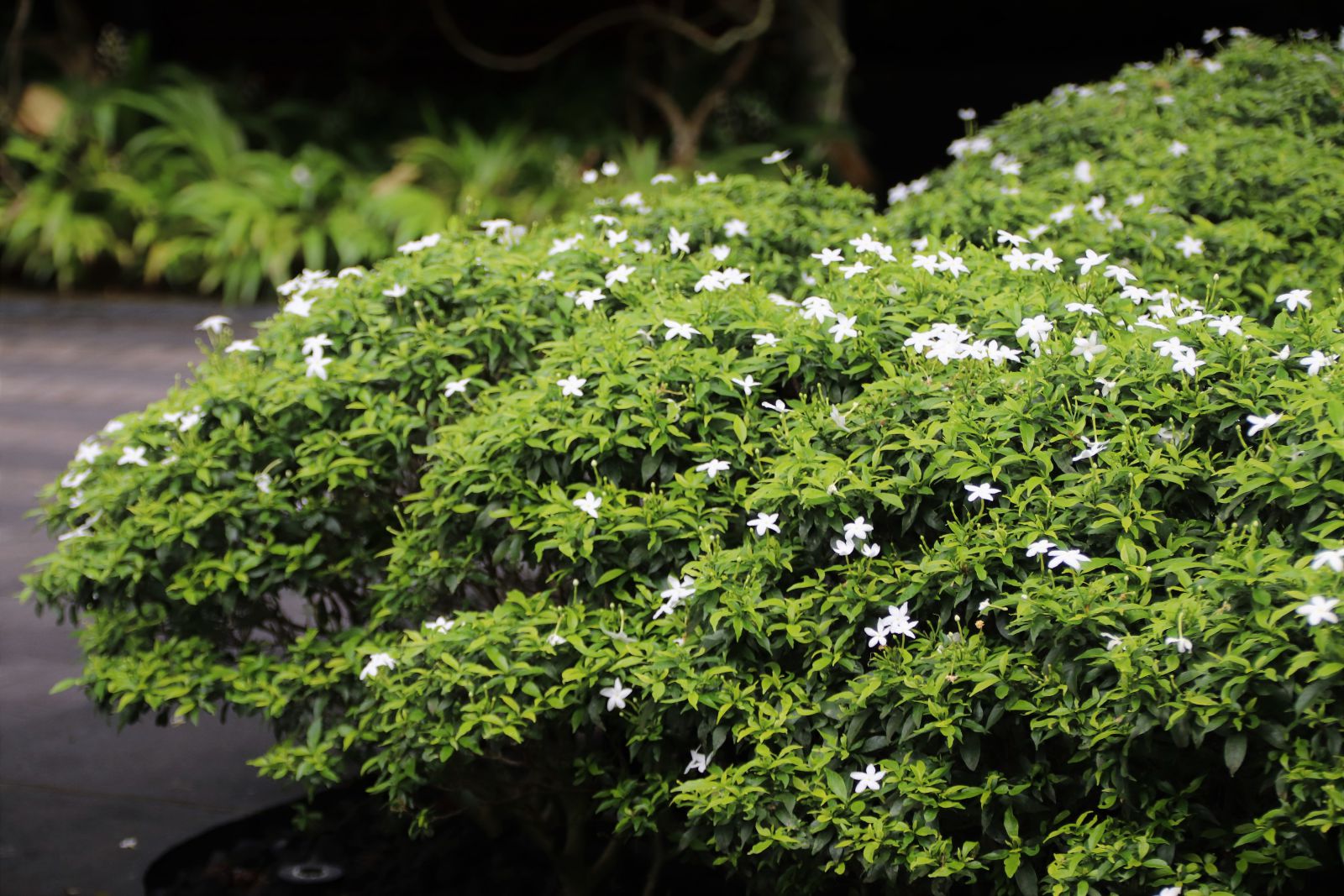
Hort Park est composé de plusieurs jardins thématiques qui se succèdent: le jardin argent, le jardin bleu, le jardin qui se mange !


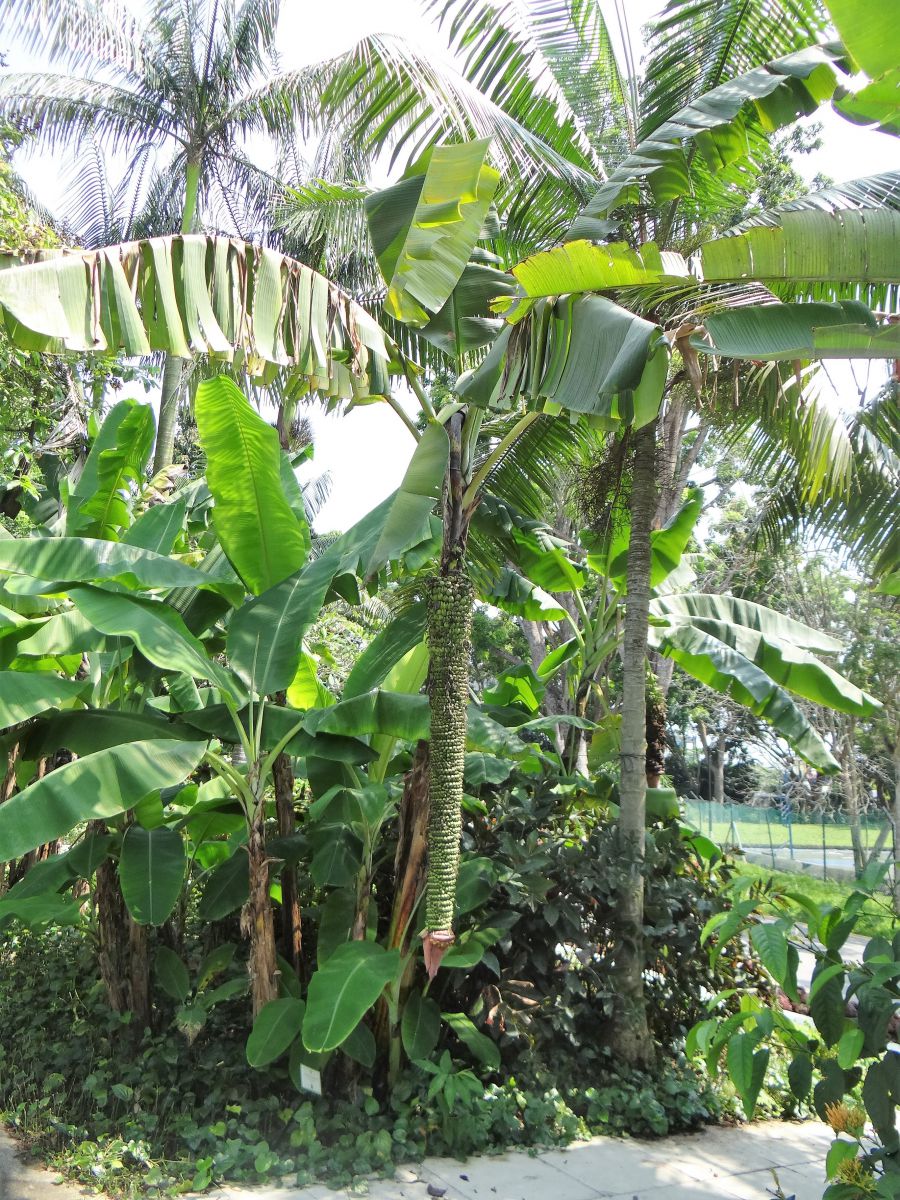
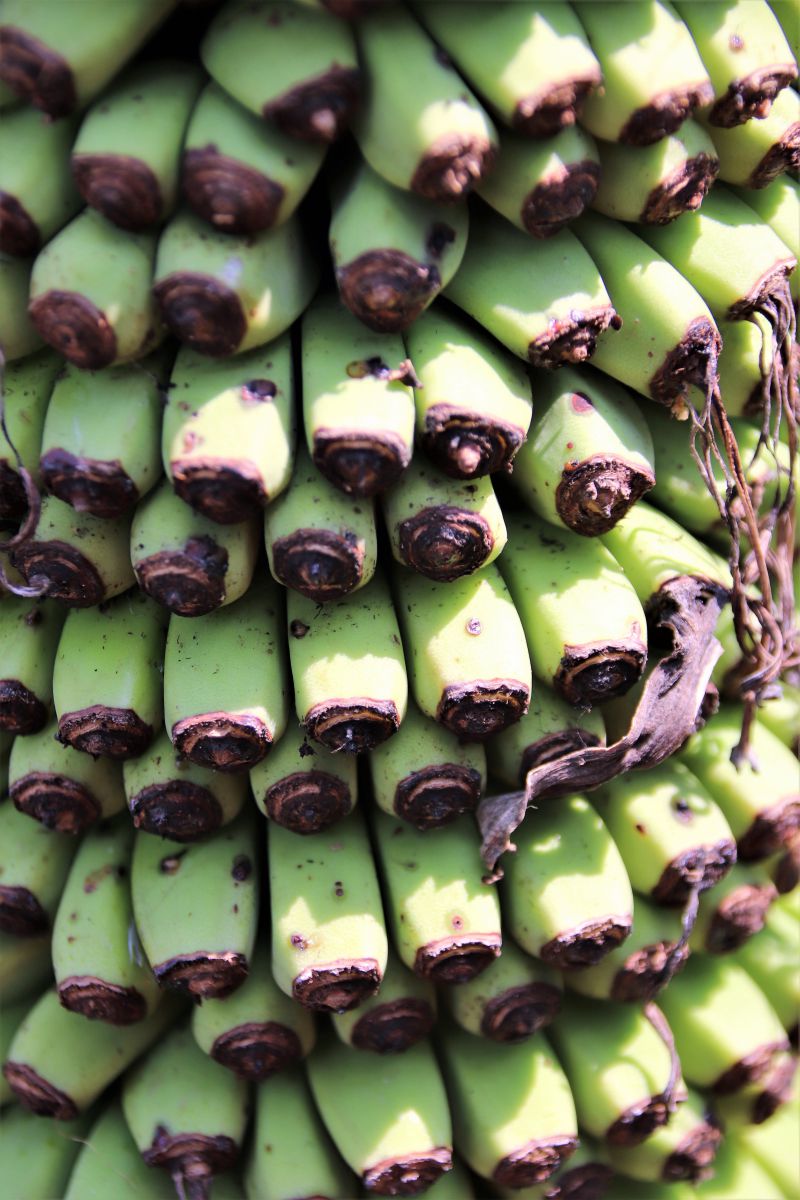
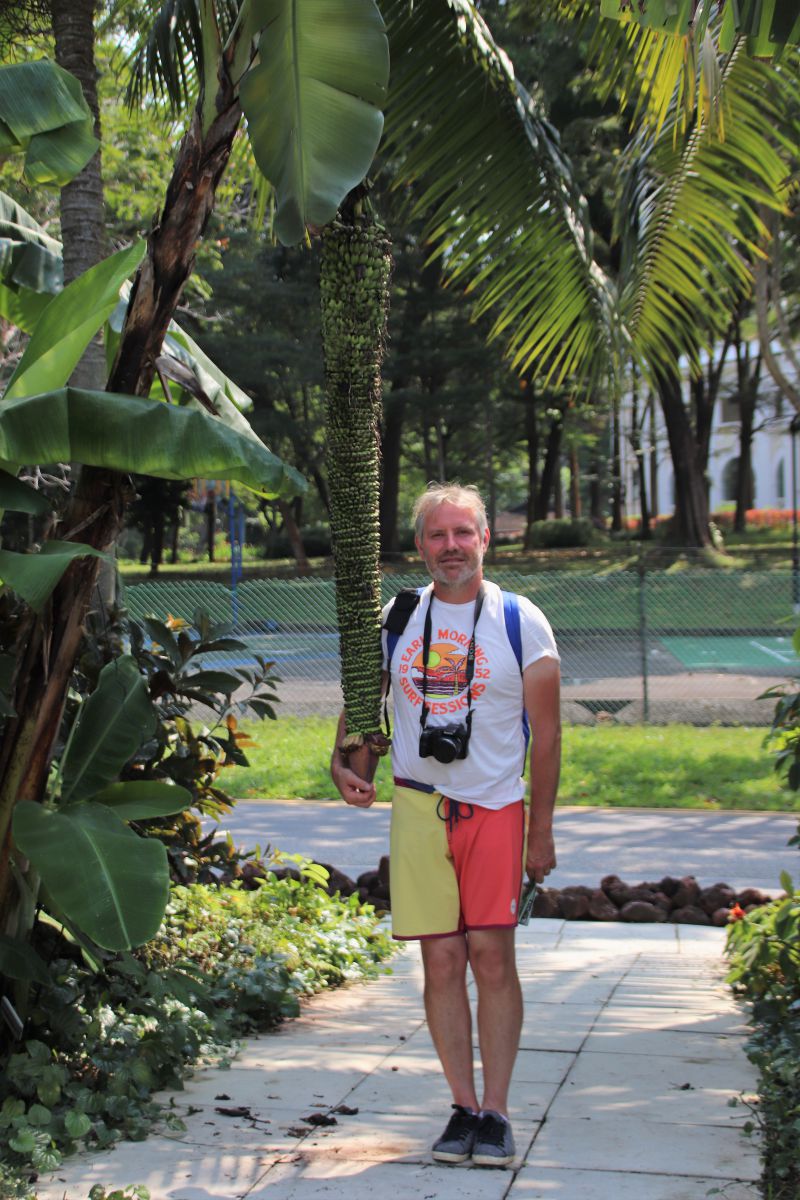
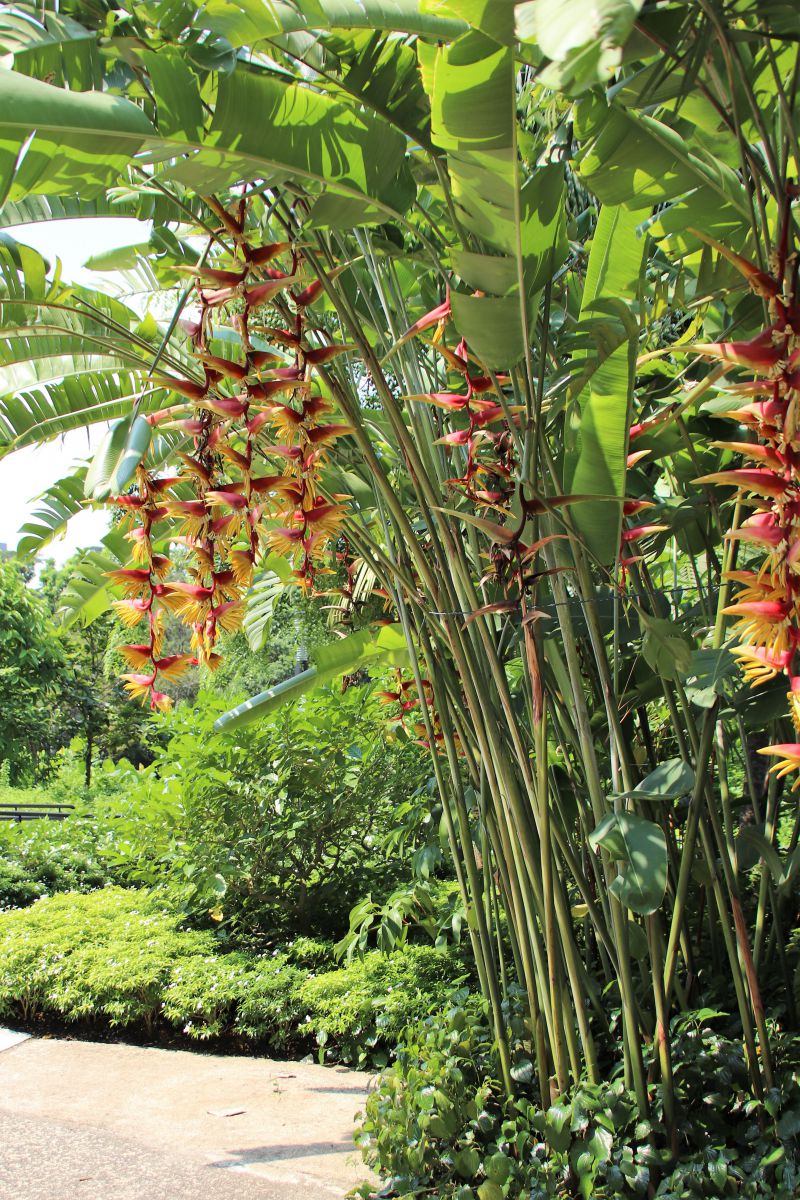
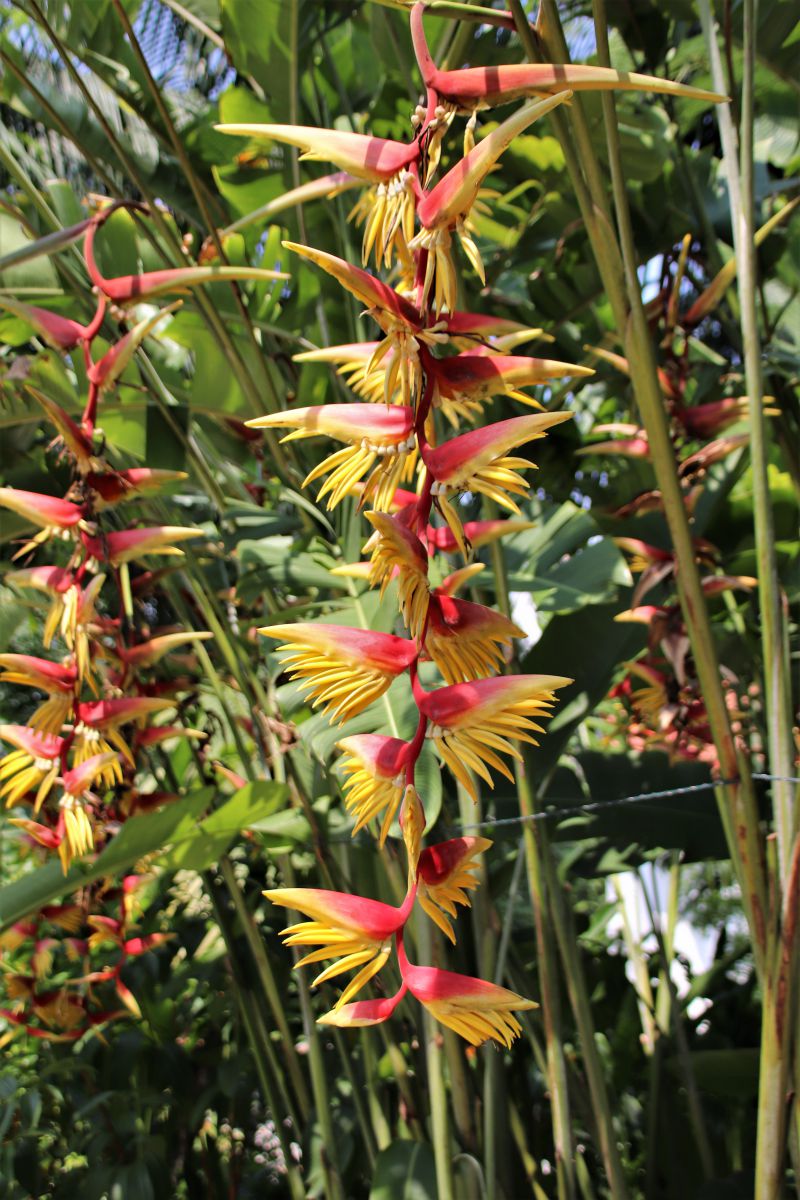
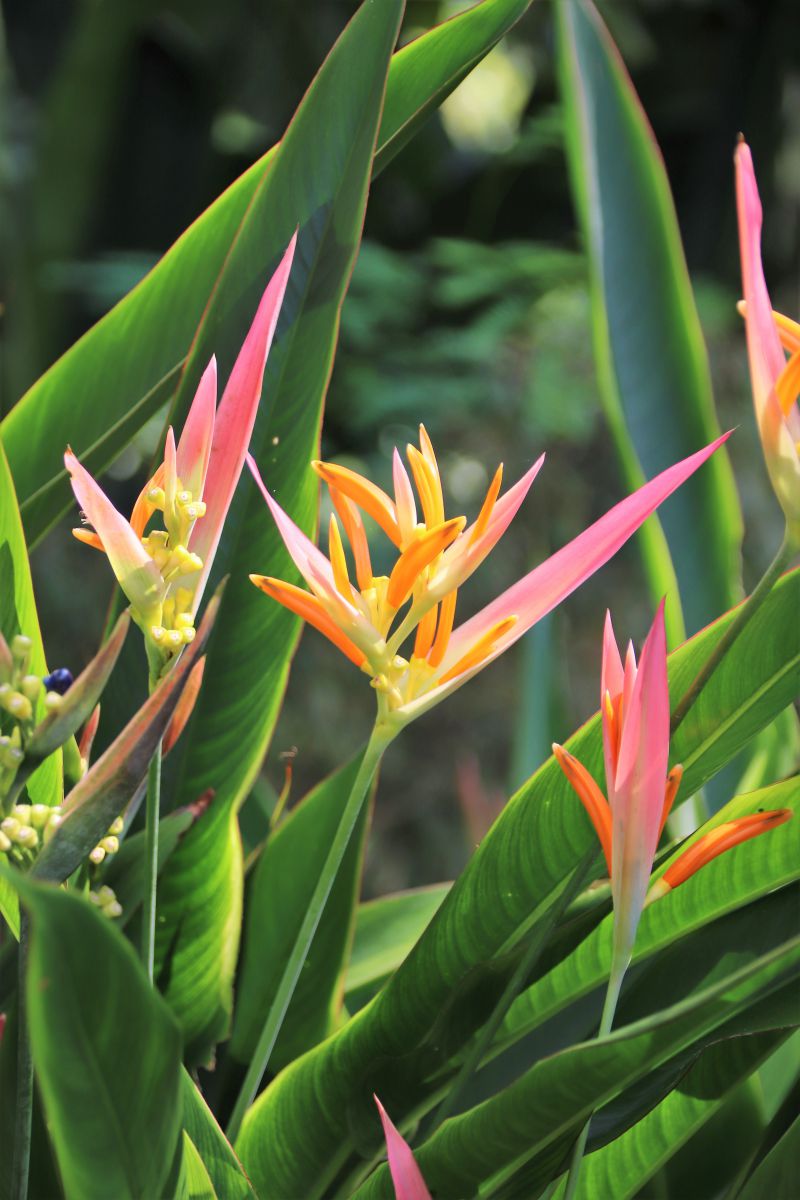
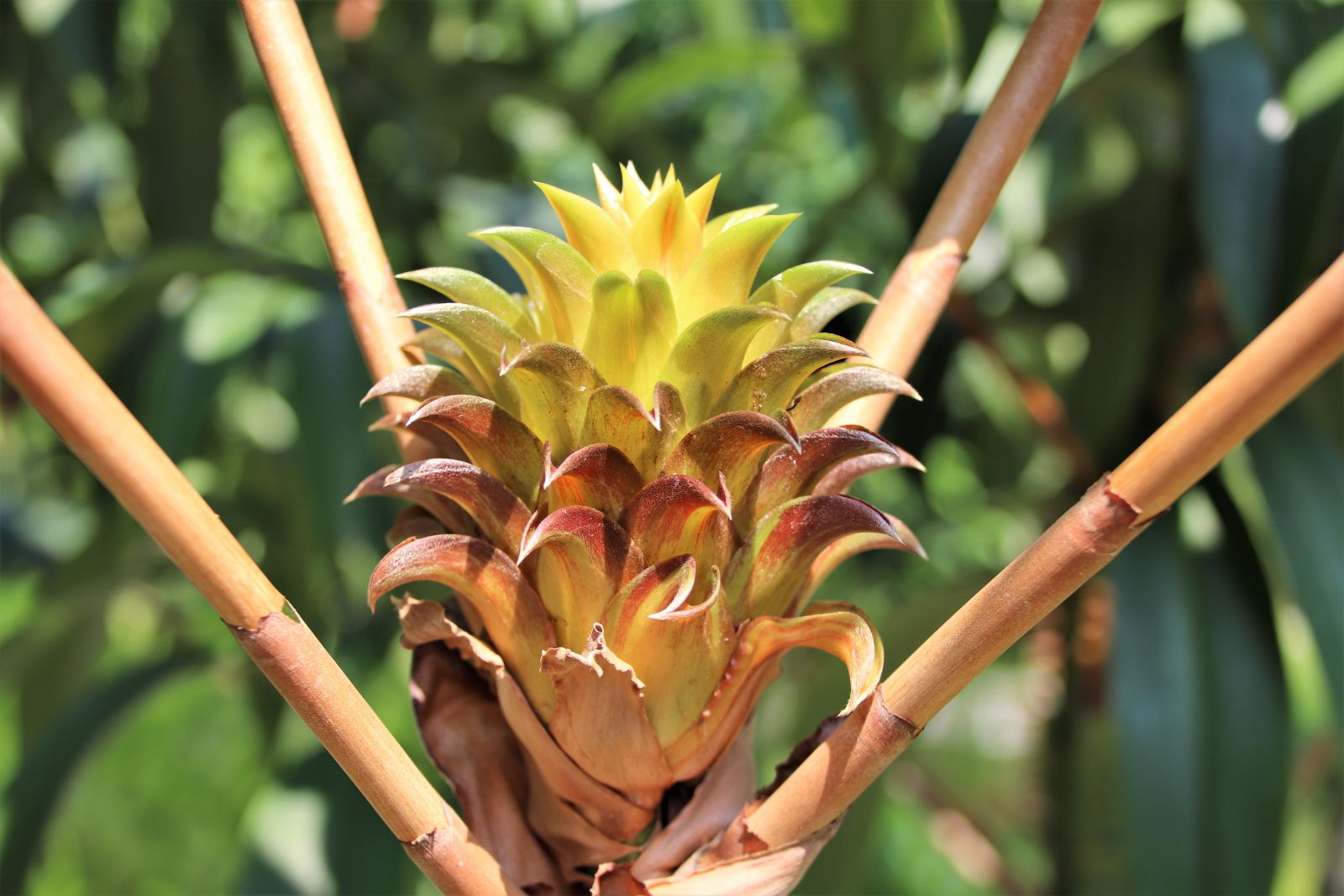
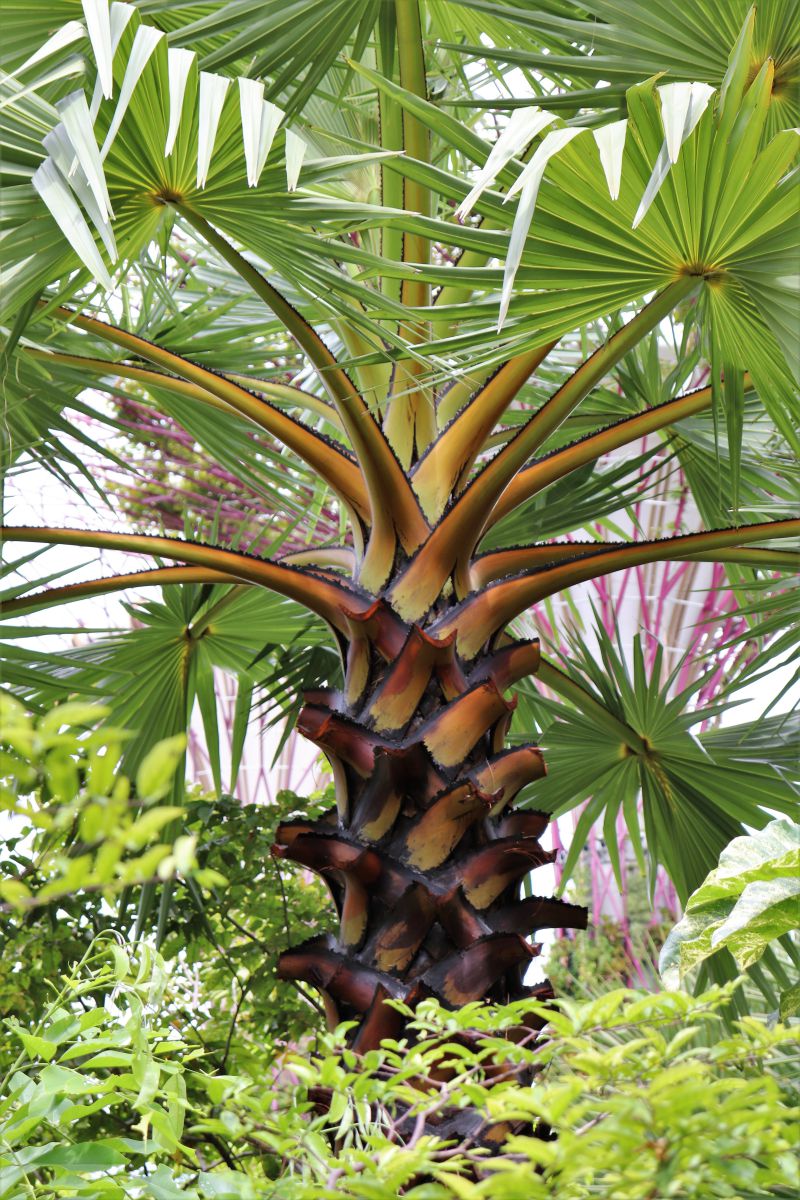
On y trouve aussi beaucoup de plantes particulières, étonnantes, comme ce bananier:


Laurent en était tout retourné :-) Il avait la banane.


Hort Park, un jardin en pleine ville, loin d'une utopie, une nécessité.

RETROSPECTIVE 2018 - SINGAPOUR - 1/6

With the month of July, the holidays are announced, a truce for the nursery and the garden. This year, we decided to have fun and go where our heart tells us to go for quite a few years already.
I remember commercials on Liberty TV, for those who remember, with the qualities of the Singapore Arboretum. Yet at that time (2003 or 2004), Gardens by the bay and the famous Marina Hotel did not exist, any more than the ArtScience Museum.

From June 31, our plane takes off from Frankfurt, taking us to Dubai and finally to Singapore. The adventure begins.

From June 31 to July 13


GARDENS BY THE BAY

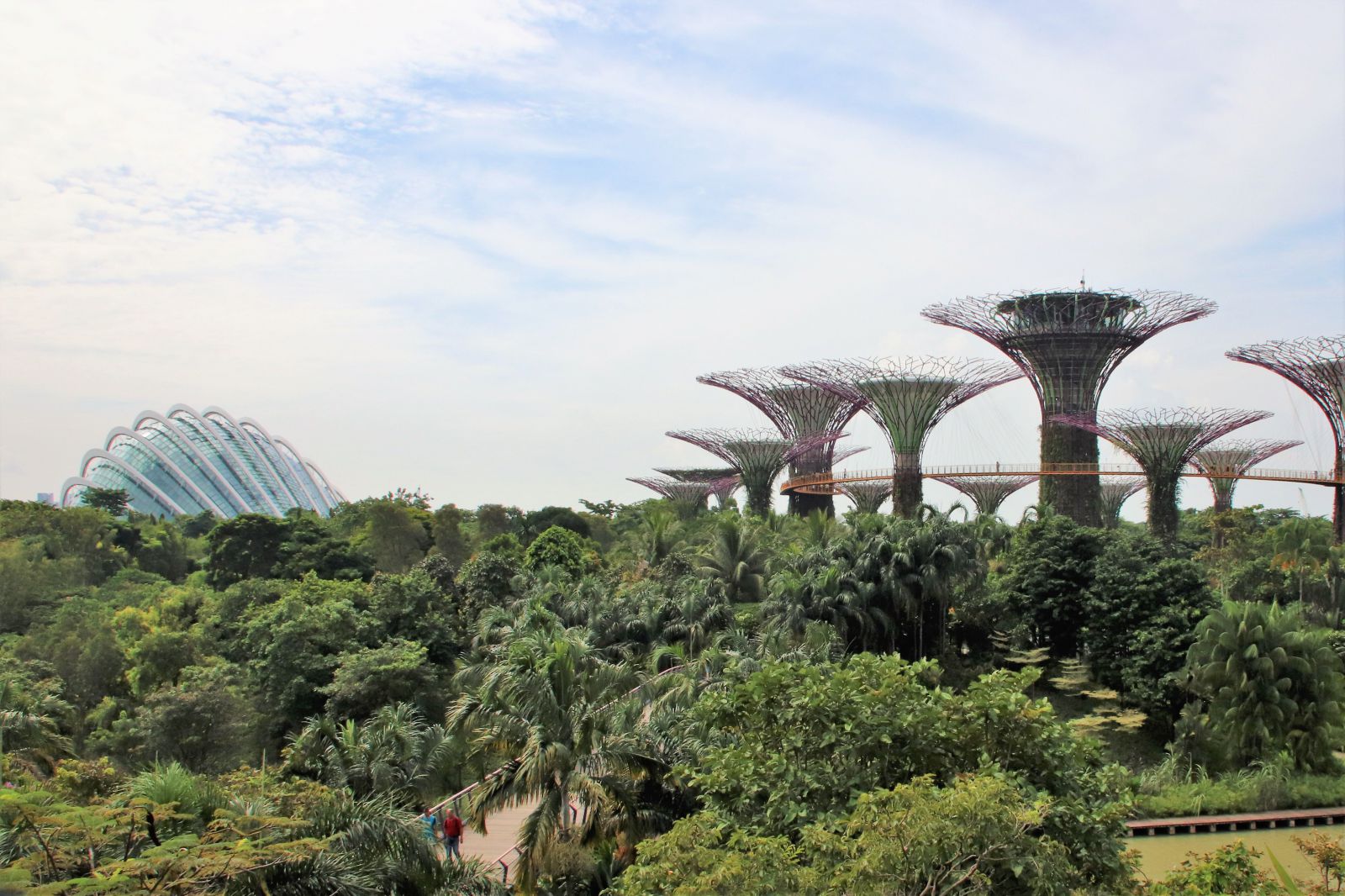
Undeniably, the image of Singapore is this:
A high-tech city, at the forefront of technology, much more modern than our old medieval or ancient carcasses, which make, however, dreaming asians. They dream of Europe, but they are not inspired by it. They are determined to look to the future in which they are already living.
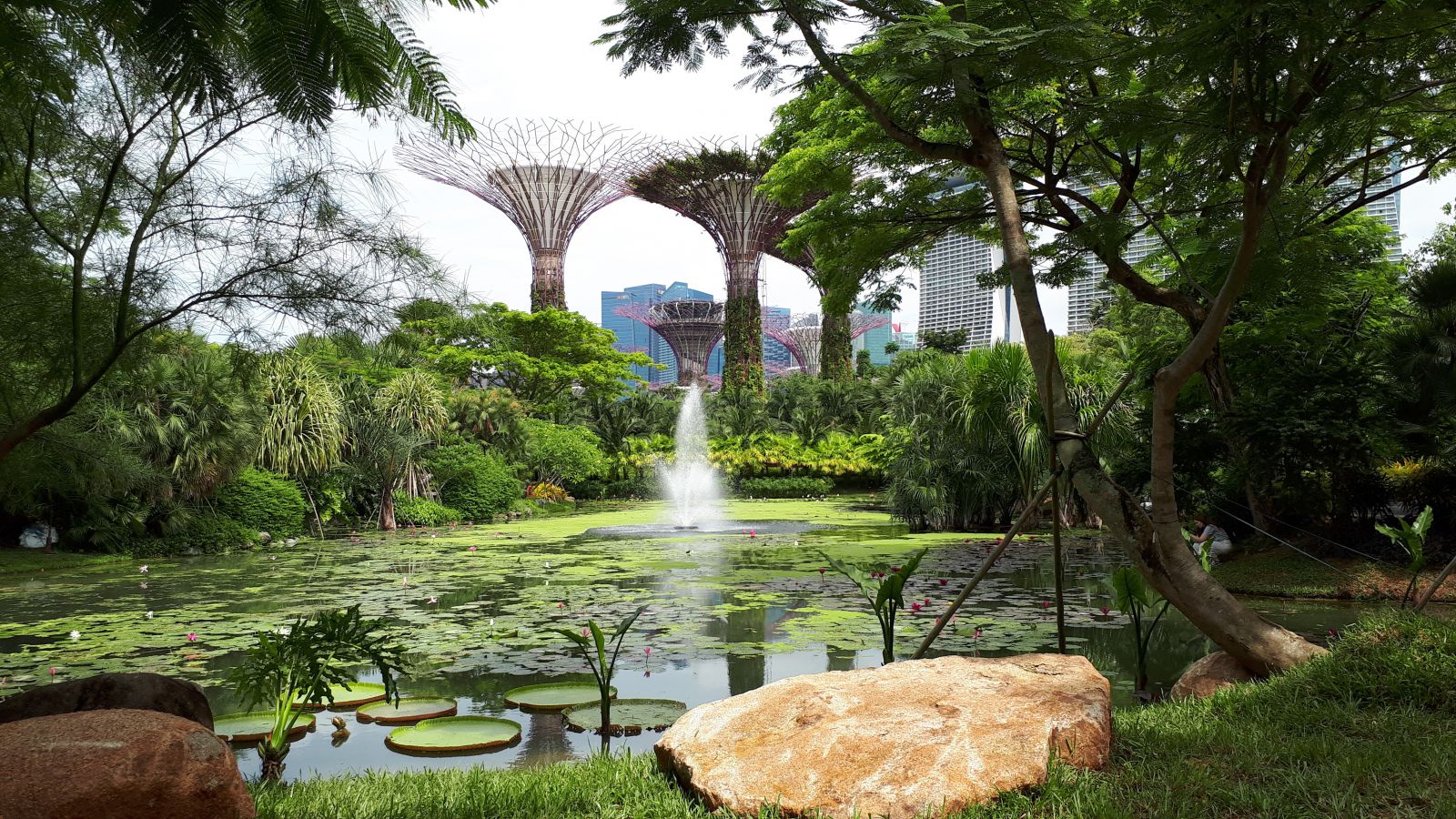
But their futuristic city is in more ways than one:

Because Singapore is also this: An exuberant jungle where human works are inspired by nature. it is no longer a question of producing, constructing and throwing away, as we are still doing too much in Europe, but of creating harmony, observation of natural rules, mimicry and, above all, profound respect.

 
SUPERTREES GROVE

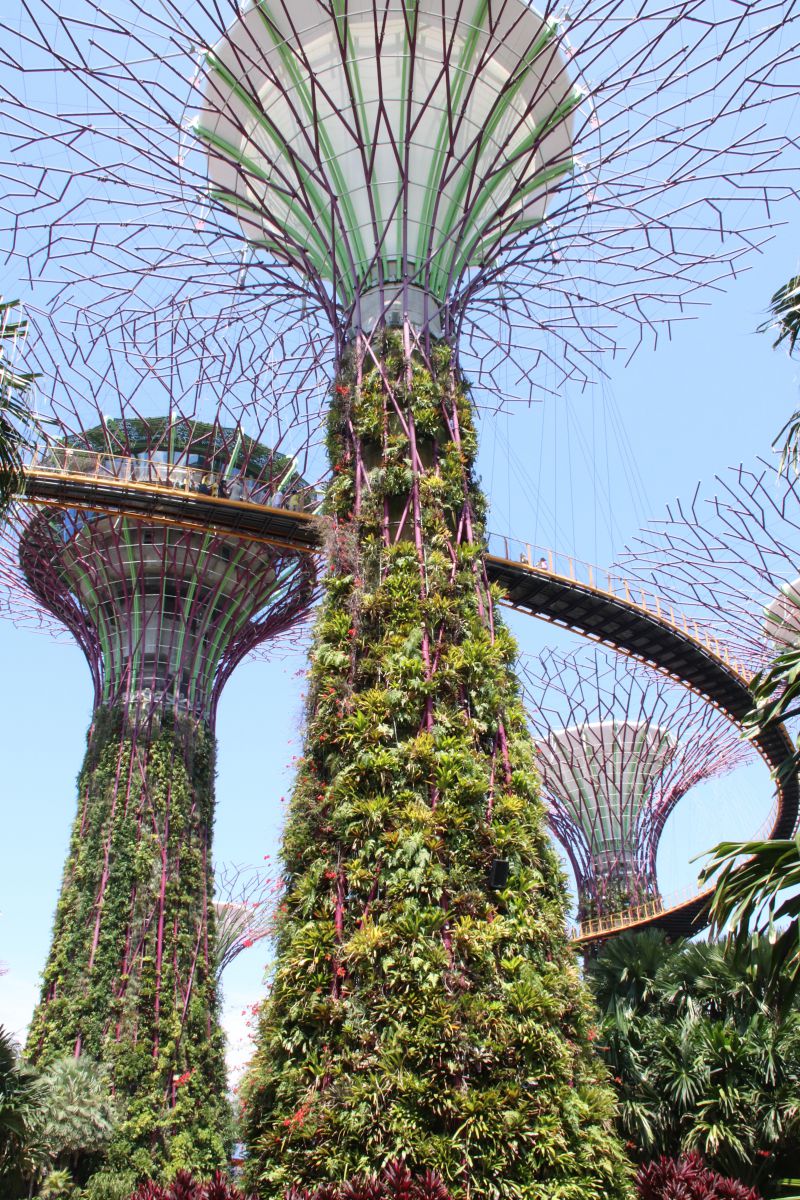
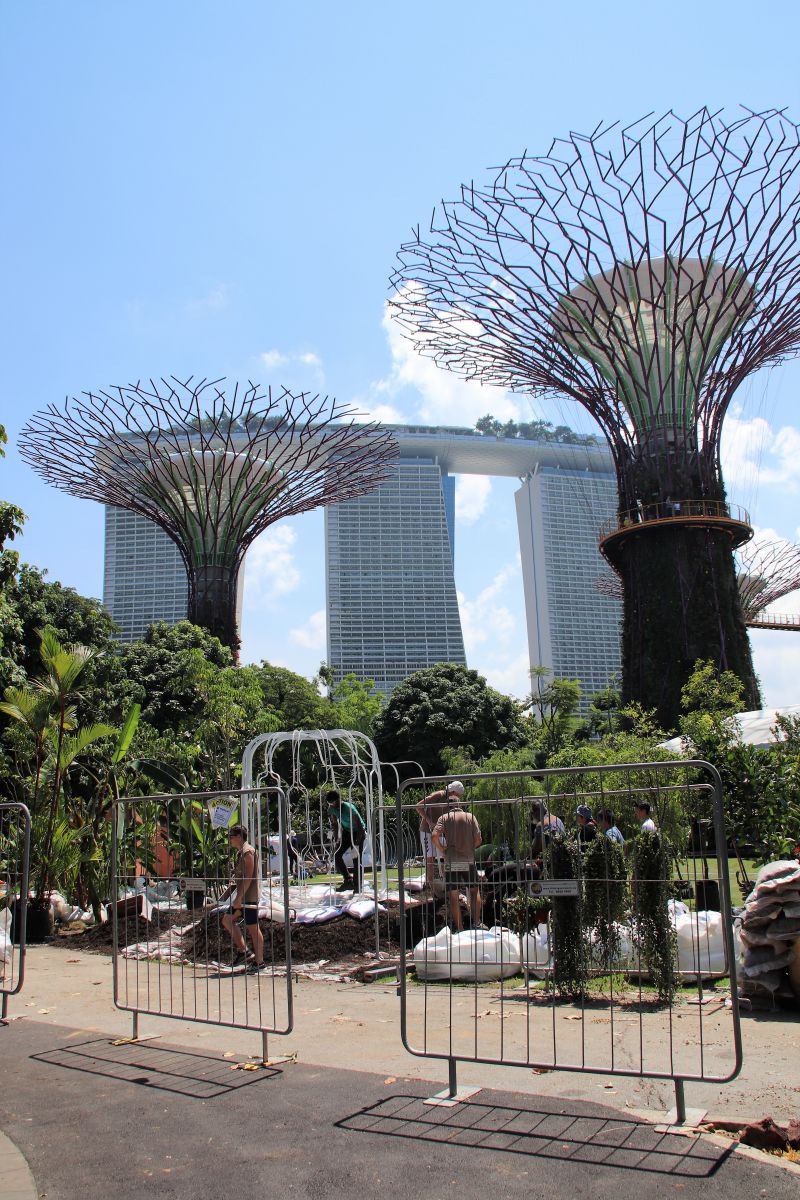
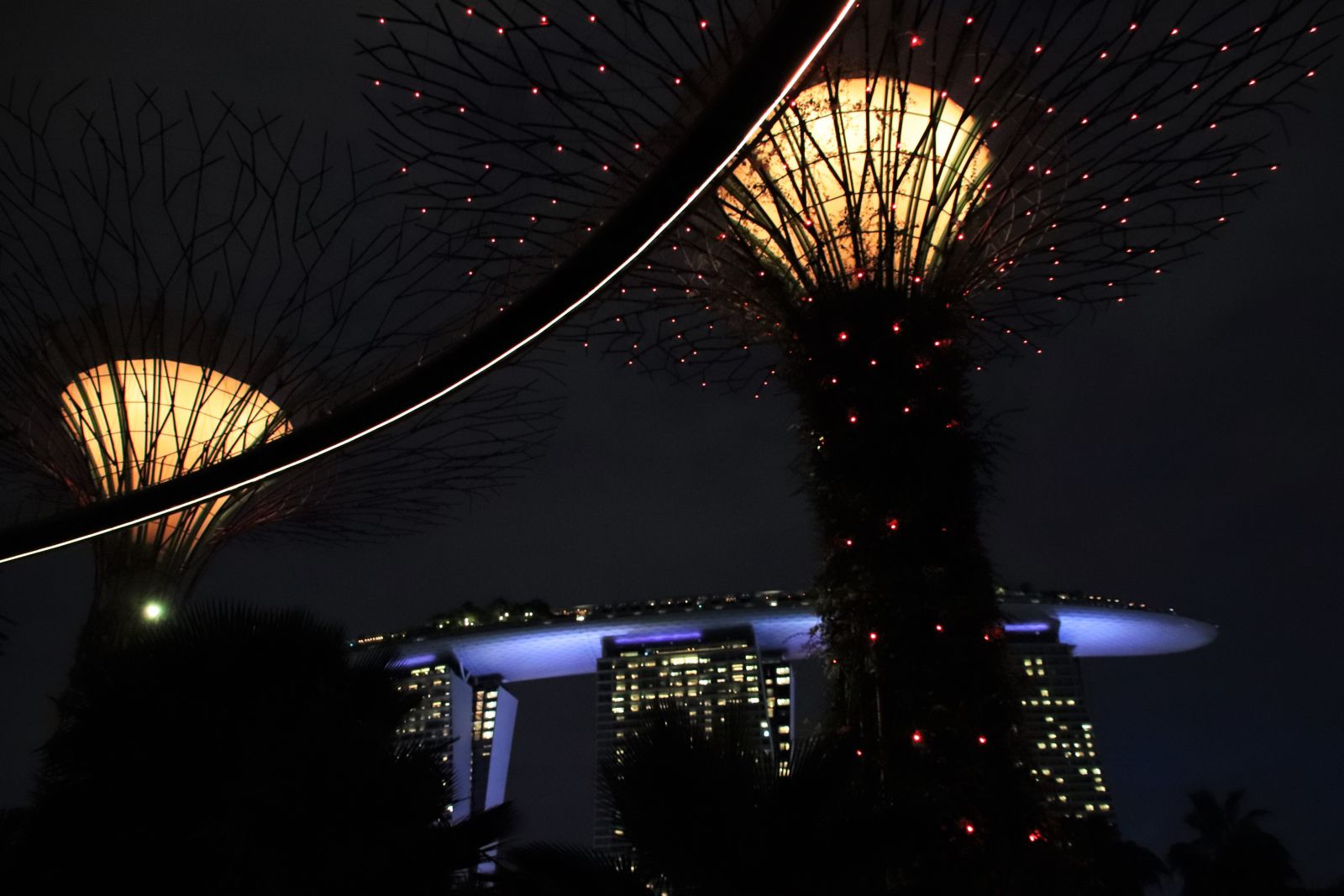
The Supertrees Grove is, without any questions, the symbol of these 101 hectares of gardens. Like natural trees, they bring beneficial shade when the sun is at its zenith, but not only.
They host an atypical flora in an original conservatory of ferns, vines, tillandsia, bromelias and rare orchids, sometimes endangered.
They are equipped with a specific technology, contributing in various ways, to supply the park with energy, via photovoltaic cells; to recover the rainwater, but also to cool the greenhouses via an inverted heat pump system. Each evening a sound and light show completes, magically, the different functions of these sculptures. it is no longer a question that a work, whatever it may be, has only one function. It is important to entertain and entertain the crowds, to attract tourism, but this unique will is not enough in Singapore. This lucrative demand must also be adapted to an ecological framework for recycling. The project is complete and effective.


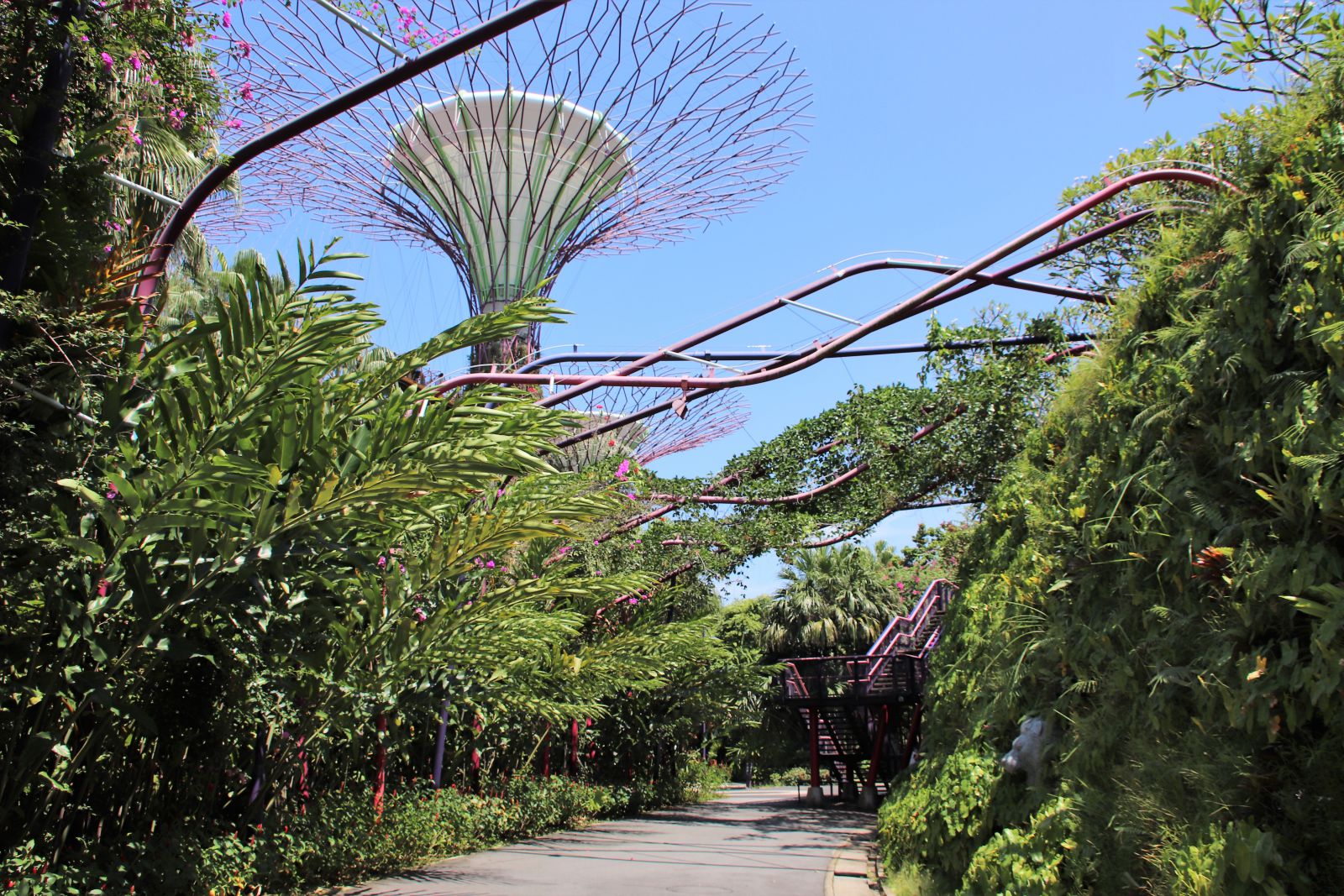
Everywhere, at Gardens by The Bay, the supertrees are part of the landscape.


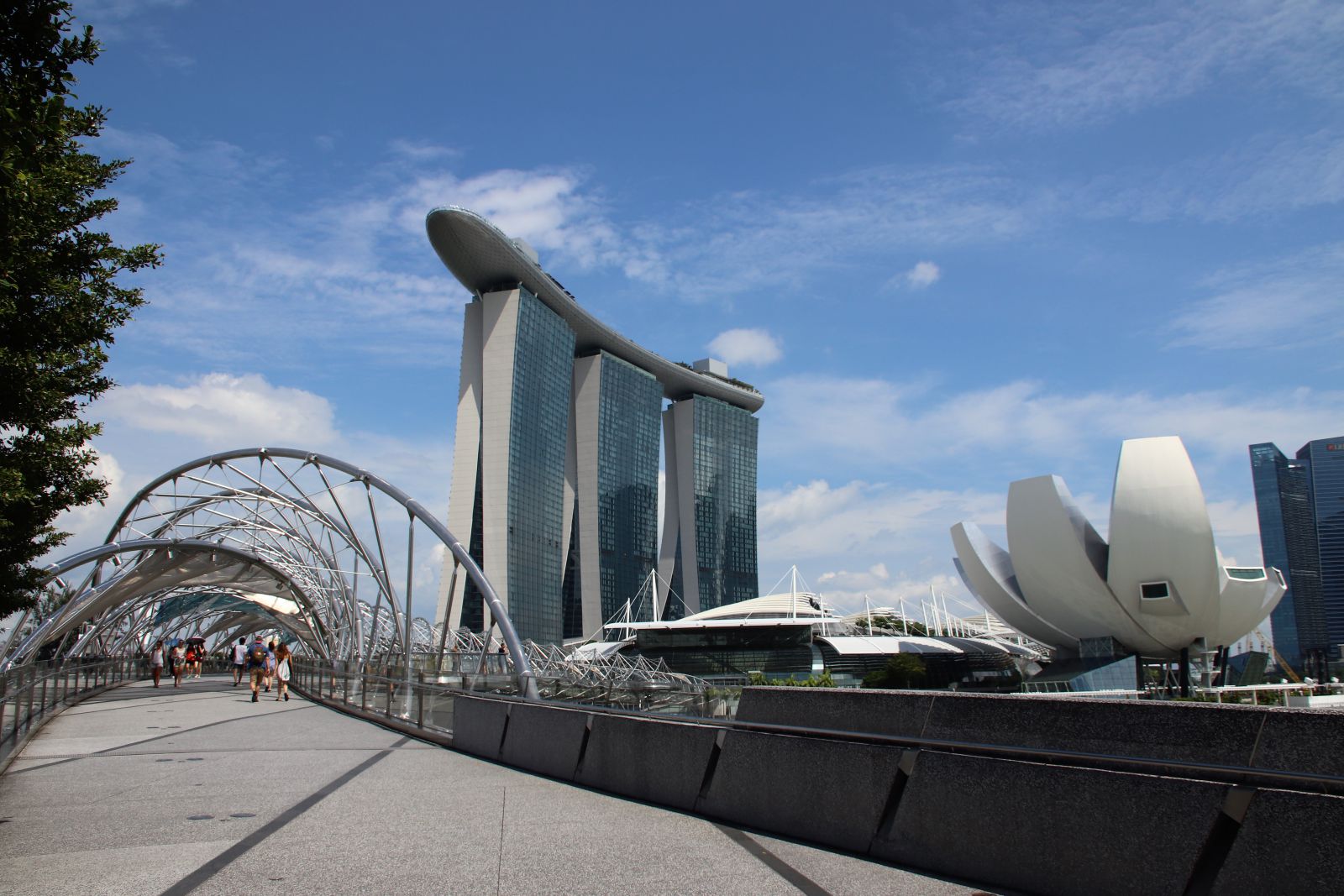
Marina bays Sands. From the top of this hotel you can access a unique view of Gardens By The Bay.


WALKING IN THE GARDENS

In Singapore, it is an existential choice to respect the Earth and all its components in an equal way. Nothing is better, everything is important. Also, the space left to the plants is preponderant. The city-state has understood the stakes of the 21st century and also the essential role of plants in safeguarding life on earth. They are omnipresent, in the city, are an integral part of all amenities. they are pampered, cared for and respected. A modern city for a possible future is a city where the plant is an essential element. They produce the oxygen we breathe, absorb pollution, filter the water we drink, cool the air in hot weather and protect us from wind and rain. They maintain the land and protect it from erosion, they feed and shelter, bring fertilizer, regenerate and generate life.

How can we still slaughter them today in Europe, systematically heralding them?


The gardens of the bay are organized. it is true. A nature under the hand of human so that everything is beautiful. Rich of a British heritage, Singaporeans have kept this dexterity to shape the landscape, to choose the richest varieties to create balanced paintings, to infinity.


The fun aspect is never put aside. it is important to challenge children and make them aware of the ecological issue and the role of the plant kingdom in our society today.


The choice of varieties is also important. it is necessary to set up attractive, robust, voluntary and generous plants. They must also be highlighted in order to give them the optimal conditions to give themselves. the win win bet is won.
The politics of this state of dictatorship is astonishing, heckles the apprioris and makes us think in a very strange way.


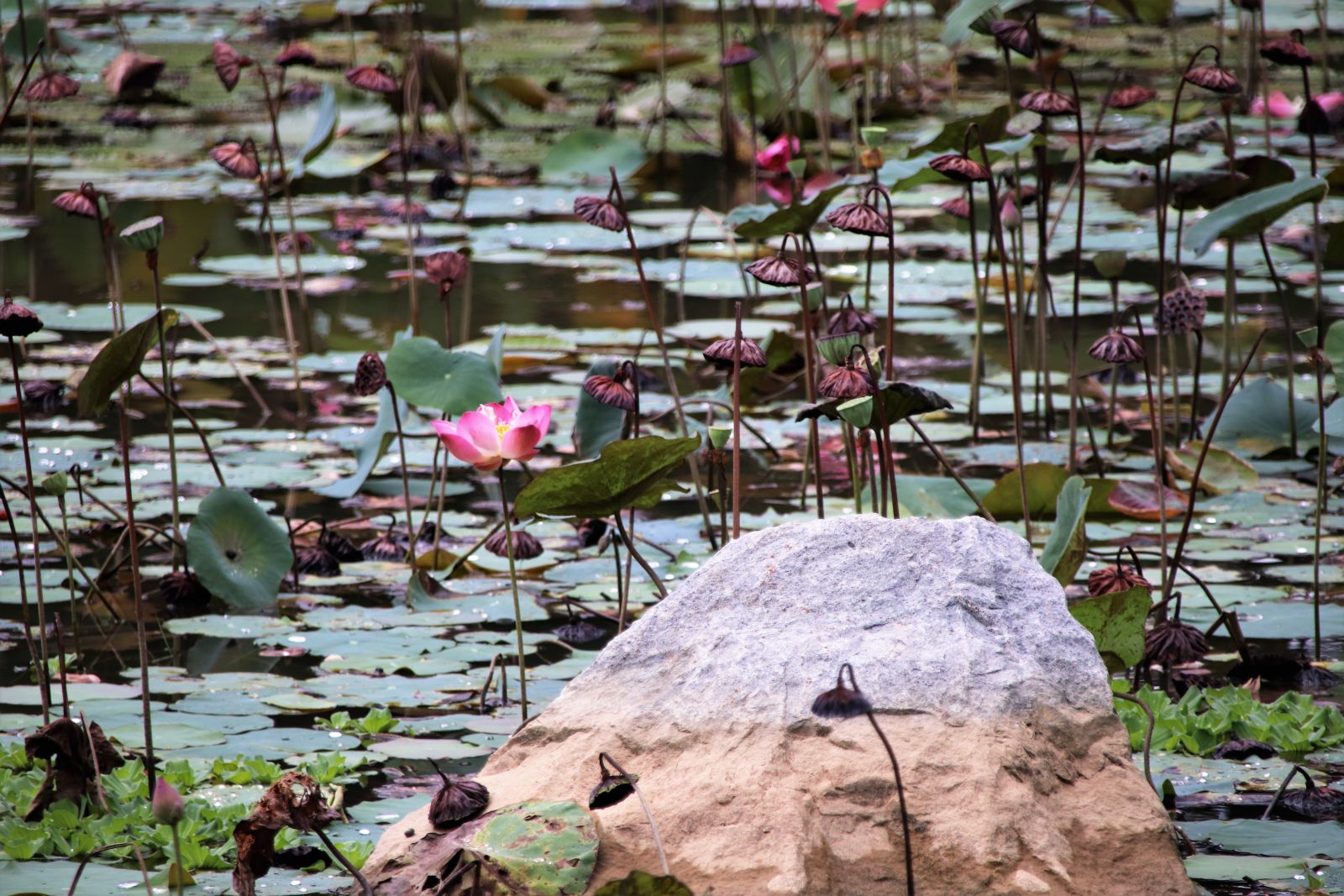
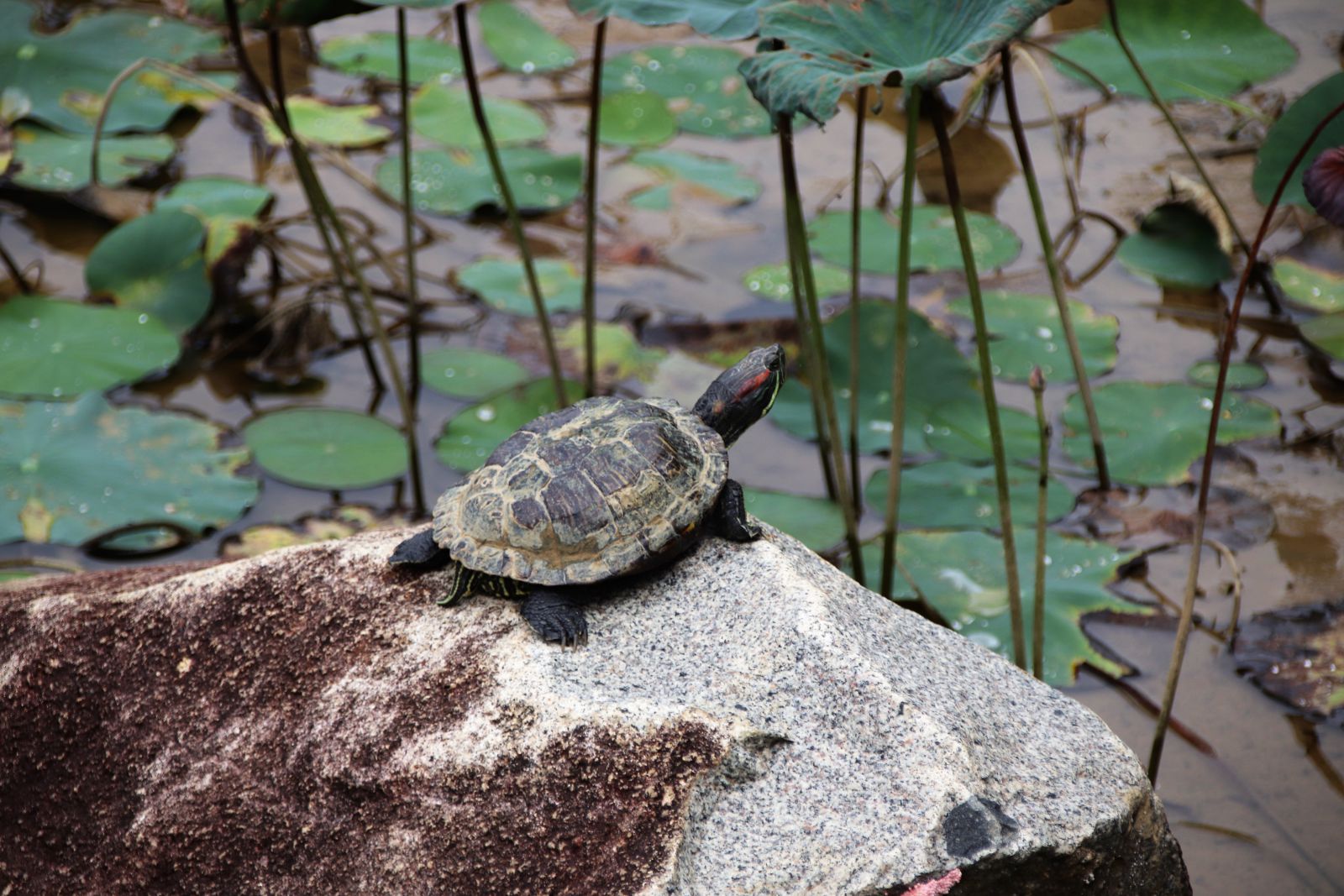
From water, life is born. The lotus is one of the amblemes of the city. The plant nourishes and shelters life, this urban turtle will not dispute it. She absolutely does not envy our aquarium turtles.


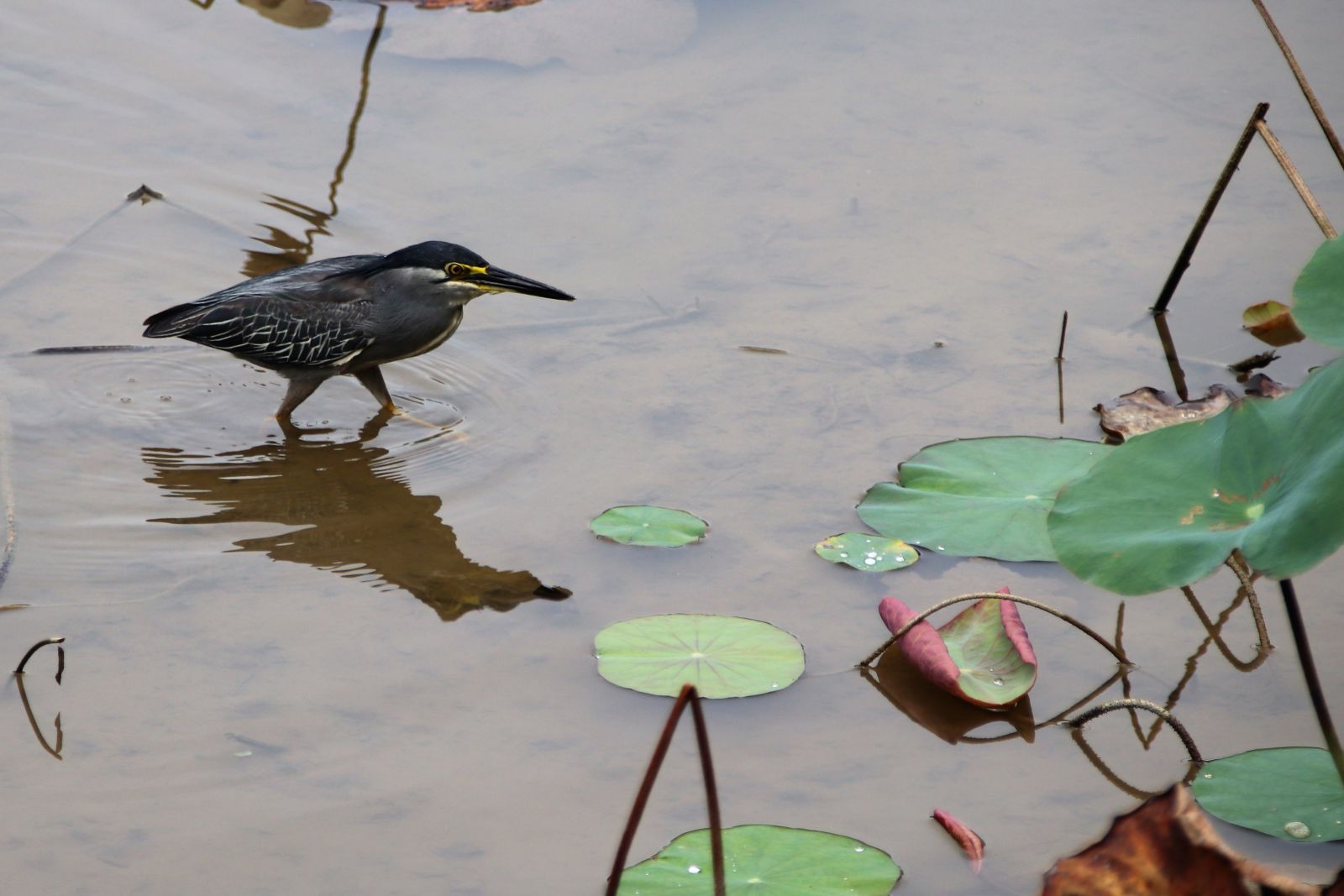
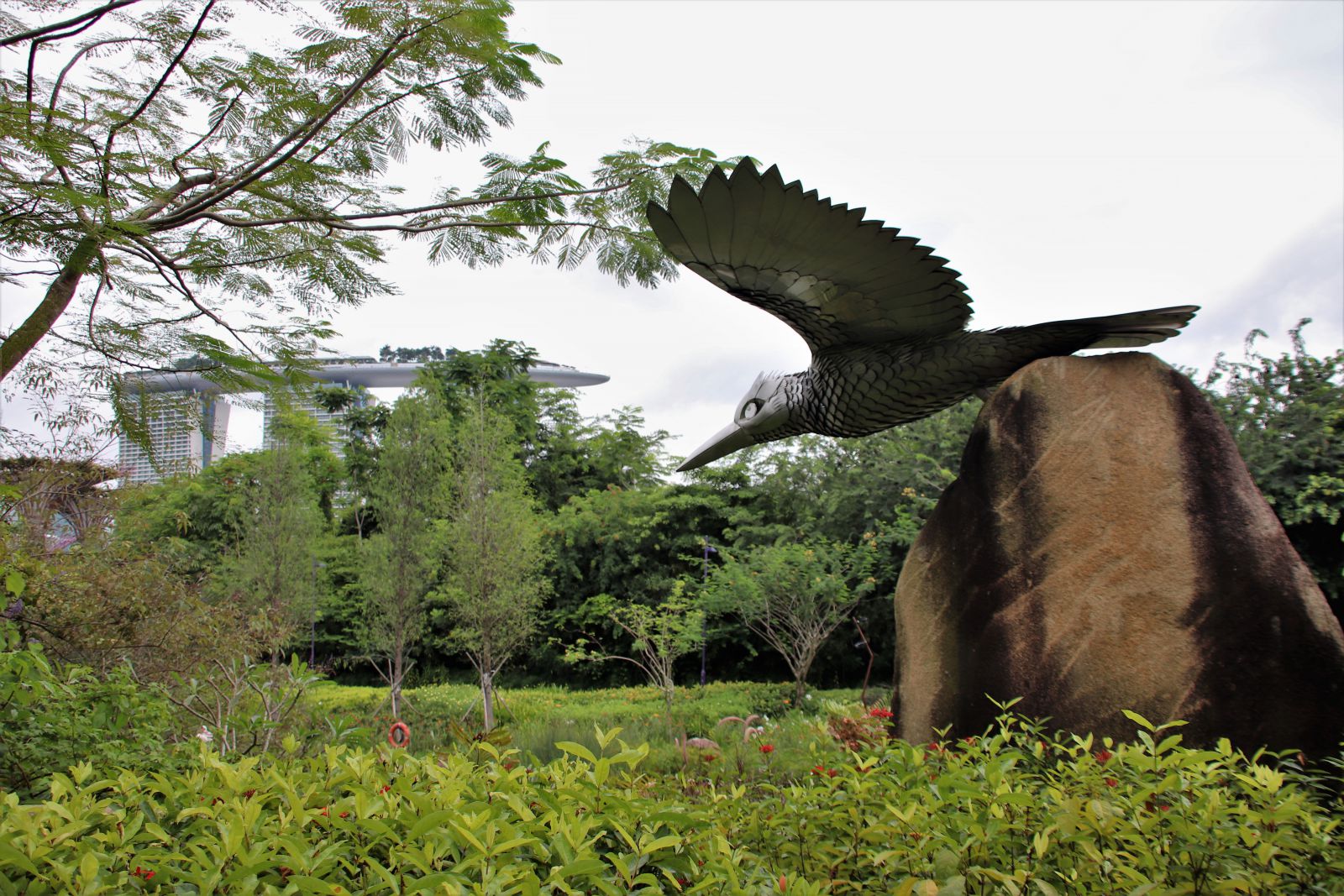
A kingfisher.


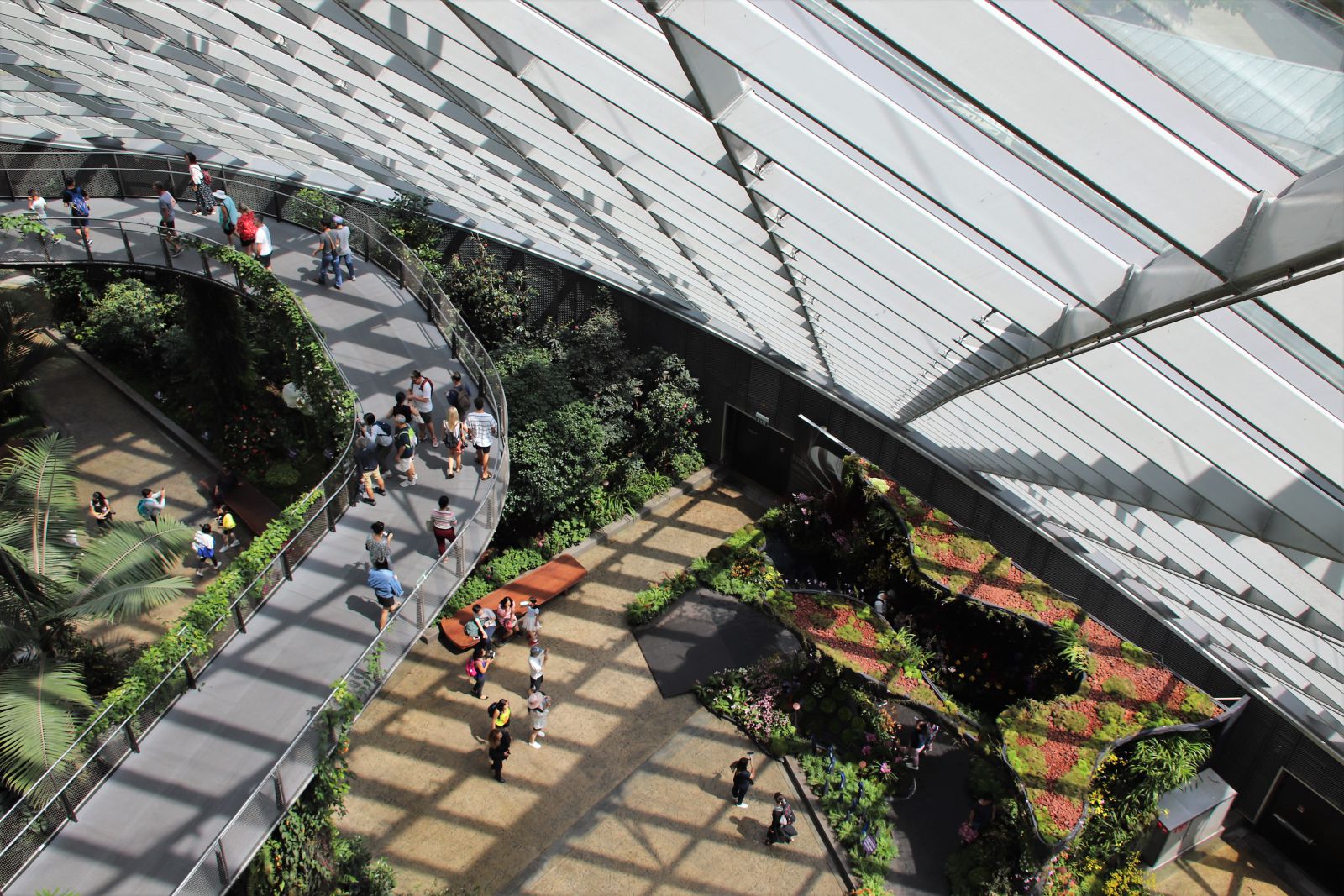
Keeping the plants is important in Singapore, you understand it and make it known too. For this purpose, in the park, two greenhouses can be visited. They are very different from each other:

CLOUD FOREST

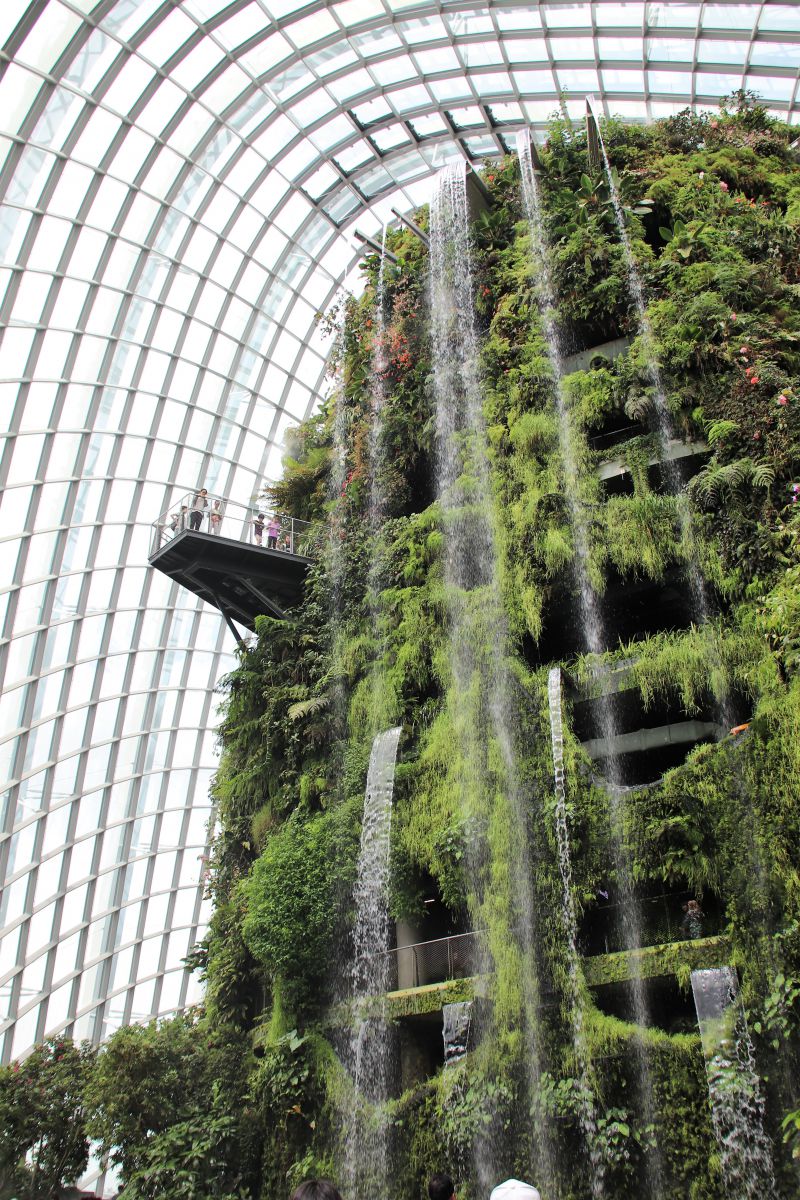
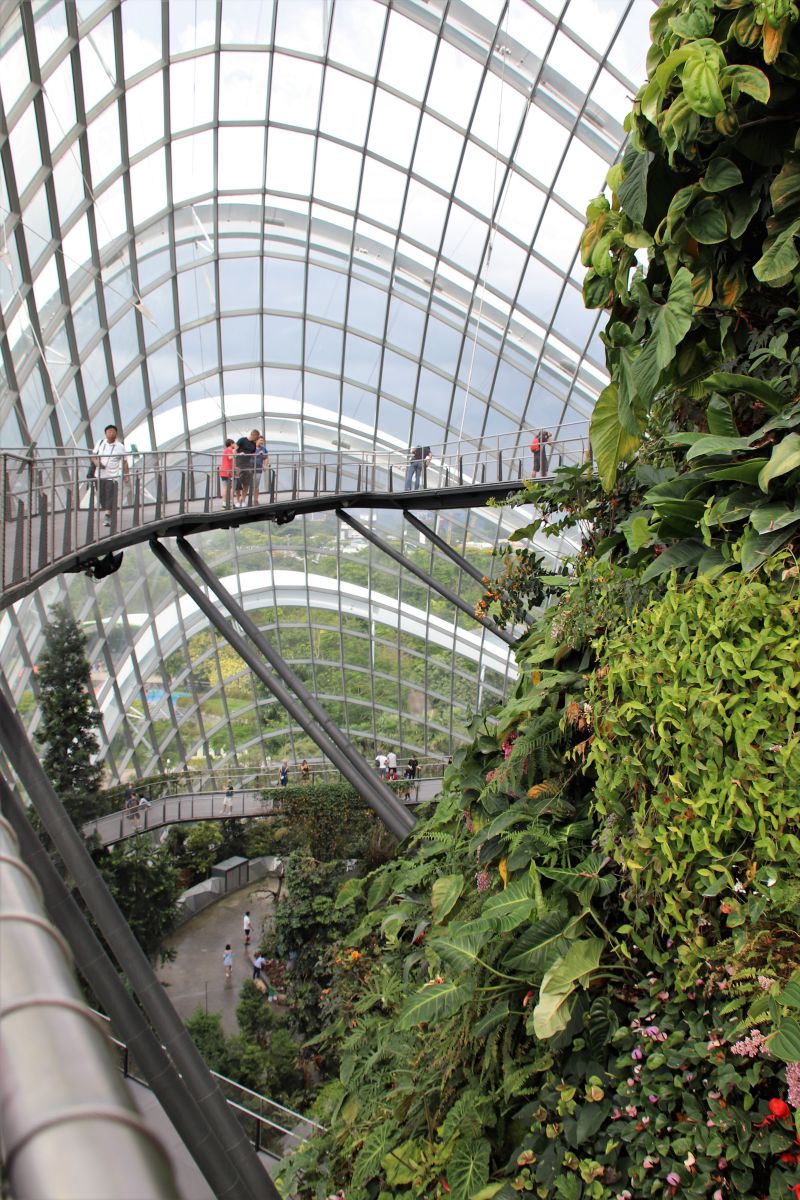
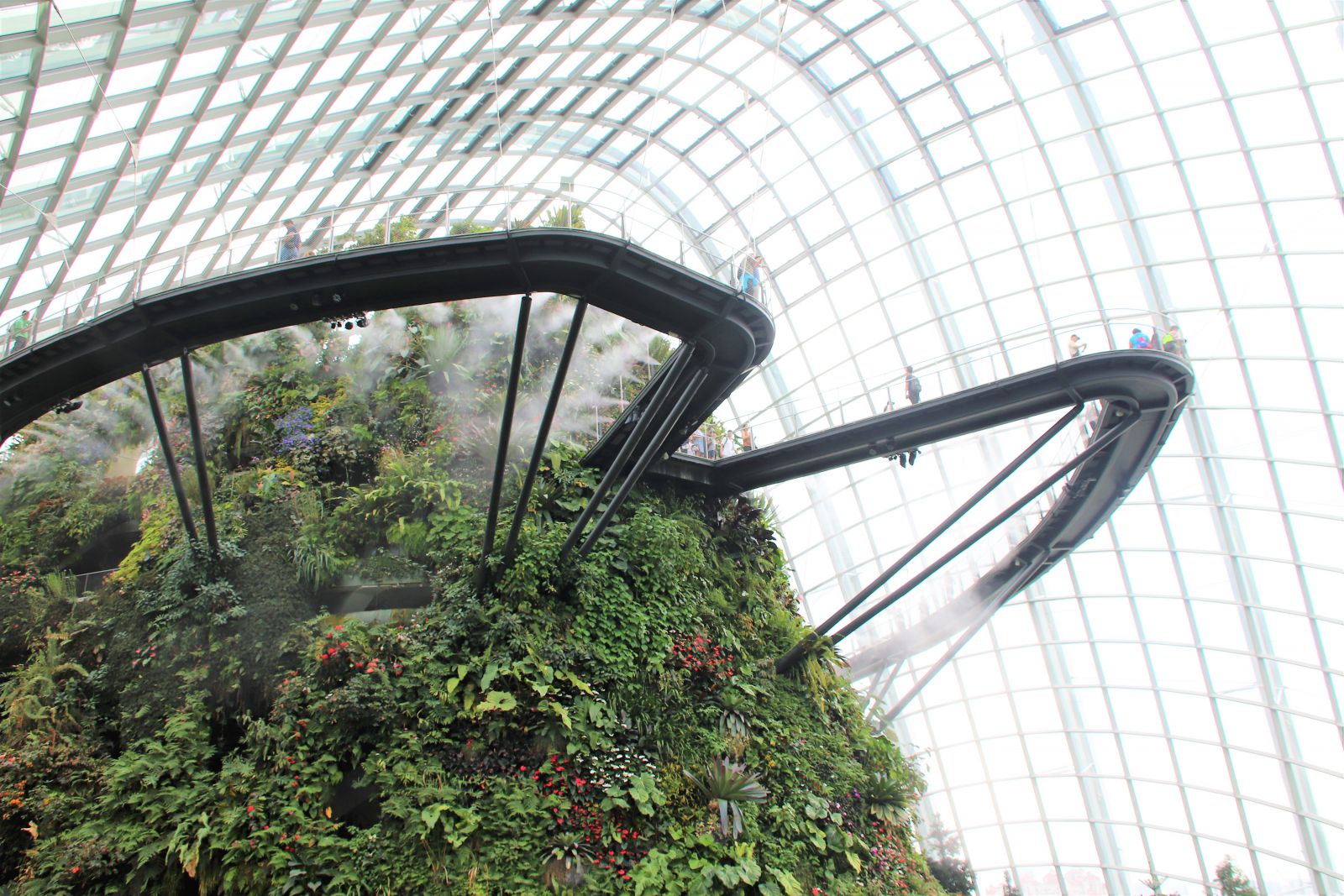
Is certainly the one we prefer. It tends to synthesize an exuberant nature, wild, crazy. With its waterfall of 35m foaming, it plunges us into a huge universe.


FLOWER DOME

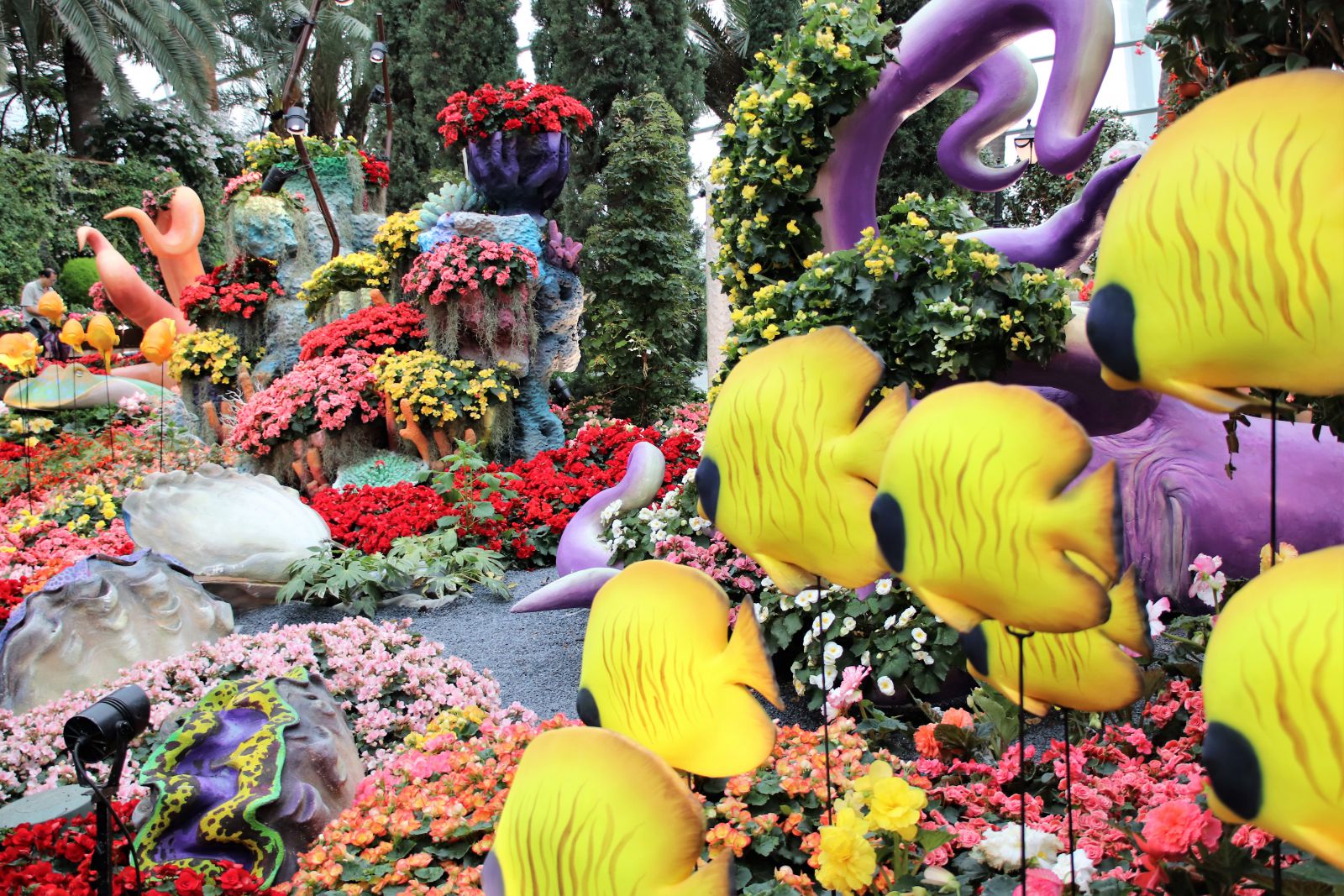
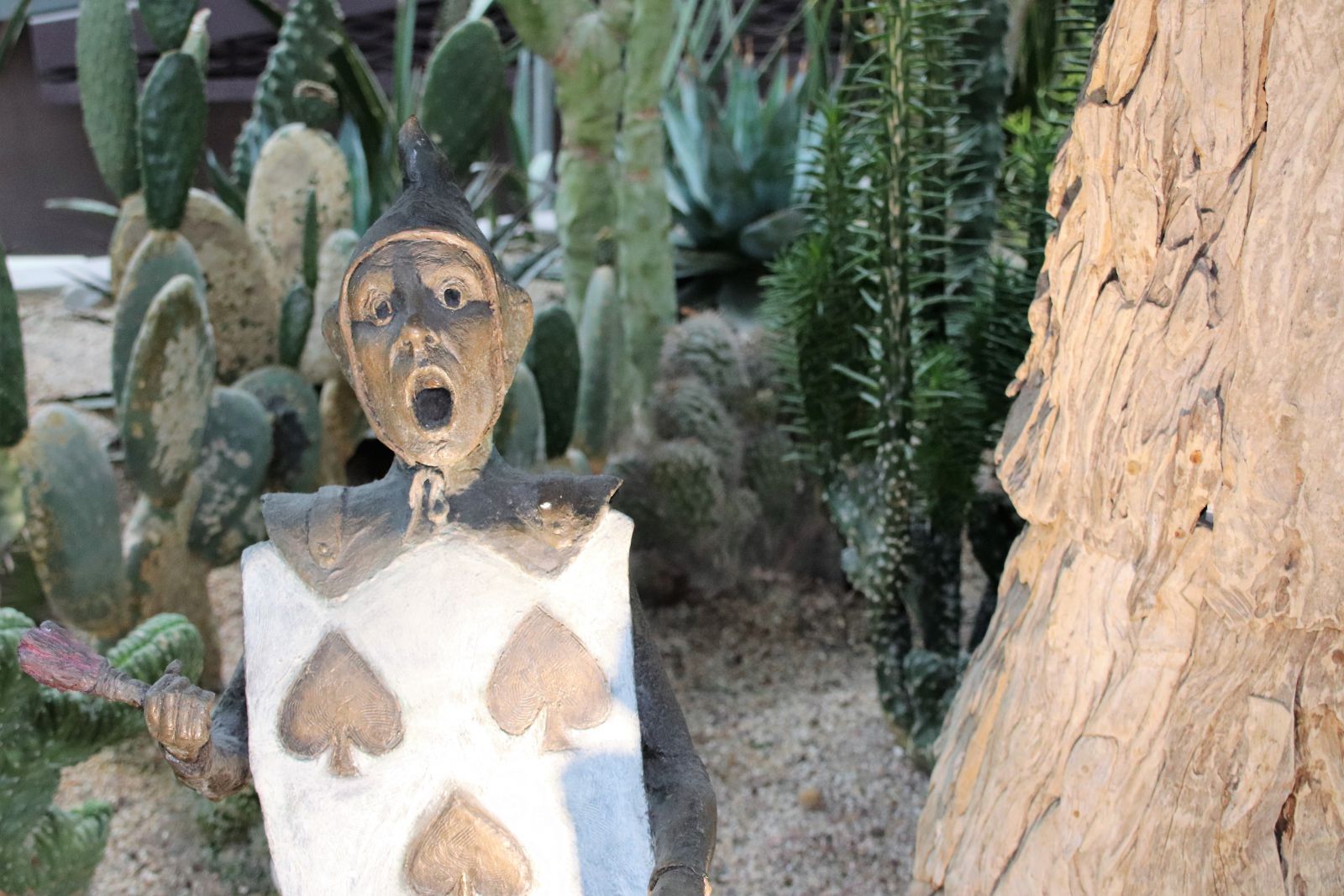
More flowery, necessarily, it is more colorful, sometimes too colorful. The messages that can be read through the stagings, sculptures, are nonetheless revealing. A real human lesson.


A day goes by at Gardens by the Bay, filled with dreams for tomorrow.
We will come back two more times during our stay.


RETROSPECTIVE 2018 - SINGAPOUR - 1/6

Avec le mois de Juillet, les vacances s'annoncent, une trève pour la pépinière et le jardin. Cette année, nous avons décidé de nous faire plaisir et d'aller là où notre coeur nous dit d'aller depuis pas mal d'années déjà.
Je me souviens de spots publicitaires sur Liberty TV, pour ceux qui s'en souviennent, ventant les qualités de l'arboretum de Singapour. Pourtant, à cette époque (2003 ou 2004), Gardens by the bay et le fameux Marina Hotel n'existaient pas, pas plus que le ArtScience Museum d'ailleurs.

Dès le 31 juin, notre avion décolle de Franckfort, nous emmenant à Dubai et enfin à Singapour. L'aventure commence.
 

Du 31 juin au 13 juillet


GARDENS BY THE BAY

Incontestablement, l'image de Singapour, c'est ceci:
Une ville high-tech, à la pointe des technologies, bien plus moderne que nos vieilles carcasses médiévales ou antiques, qui font pourtant, tant rêver les asiatiques. Ils rêvent d'Europe, mais ne s'en inspirent pas pour autant. Ils sont déterminés à porter leur regard vers le futur, dans lequel ils vivent déjà.
Mais leur ville futuriste, l'est à plus d'un titre.

Parce que Singapour, c'est aussi ceci: Une jungle exubérante où les oeuvres humaines s'inspirent de la nature. il n'est plus question de produire, construire et jeter, comme nous le faisons encore trop en Europe, mais bien de créer en harmonie, en observation des règles naturelles, en mimétisme et surtout en profond respect.

 
SUPERTREES GROVE

Le Supertrees Grove (le bosquet d'arbres géants) est, sans conteste, le symbol de ces 101 hectares de jardins. A l'image des arbres naturels, ils apportent de l'ombre bienfaisante lorsque le soleil est au zénith, mais pas seulement.
Ils accueillent une flore atypique en un conservatoire original de fougères, vignes, tillandsia, bromélias et orchidées rares, parfois en voie d'extinction.
Ils sont équipés d'une technologie spécifique, contribuant de diverses façons, à alimenter le parc en énergie, via des cellules photovoltaiques; à récupérer l'eau de pluie, mais aussi à refroidir les serres via un système de pompe à chaleur inversée. Chaque soir un spectacle de sons et lumières vient compléter, de façon magique, les différentes fonctions de ces sculptures. il n'est plus question, qu'un ouvrage, quel qu'il soit, ne soit doté que d'une seule fonction. Il est important d'amuser et de divertir les foules, d'attirer le tourisme, mais cette volonté unique n'est pas suffisante, à Singapour. Il faut aussi adapter cette requête lucrative à un cadre écologique de recyclage. Le projet est complet et efficace.


Partout, à Gardens by The Bay, les supertrees font partie prenante du paysage.


Marina bays Sands. Du haut de cet hôtel, on peut accéder à un panorama unique sur Gardens By The Bay.


BALADE DANS LES JARDINS

A Singapour, c'est un choix existentiel que de respecter la Terre et tout ce qui la compose et ce d'une façon égale. Rien n'est mieux, tout est important. Aussi, l'espace laissé aux végétaux est prépondérante. La cité-état a bien compris l'enjeu du 21ème siècle et aussi le rôle essentiel des végétaux dans la sauvegarde de la vie sur terre. Ils sont omniprésents, dans la ville, font partie intégrante de tous les aménagements. ils sont choyés, entretenus et respectés. Une ville moderne pour un futur possible est une ville où le végétal est un élément essentiel. Ils produisent l'oxygène que nous respirons, absorbent la pollution, filtrent l'eau que nous buvons, rafraichissent l'air par canicule et nous protègent du vent et de la pluie. Ils maintiennent les terres et les protègent de l'érosion, ils nourrissent et abritent, apportent de l'engrais, régénèrent et génèrent la vie.

Comment pouvons nous encore les néglier aujourd'hui en Europe, les héradiquer systématiquement?


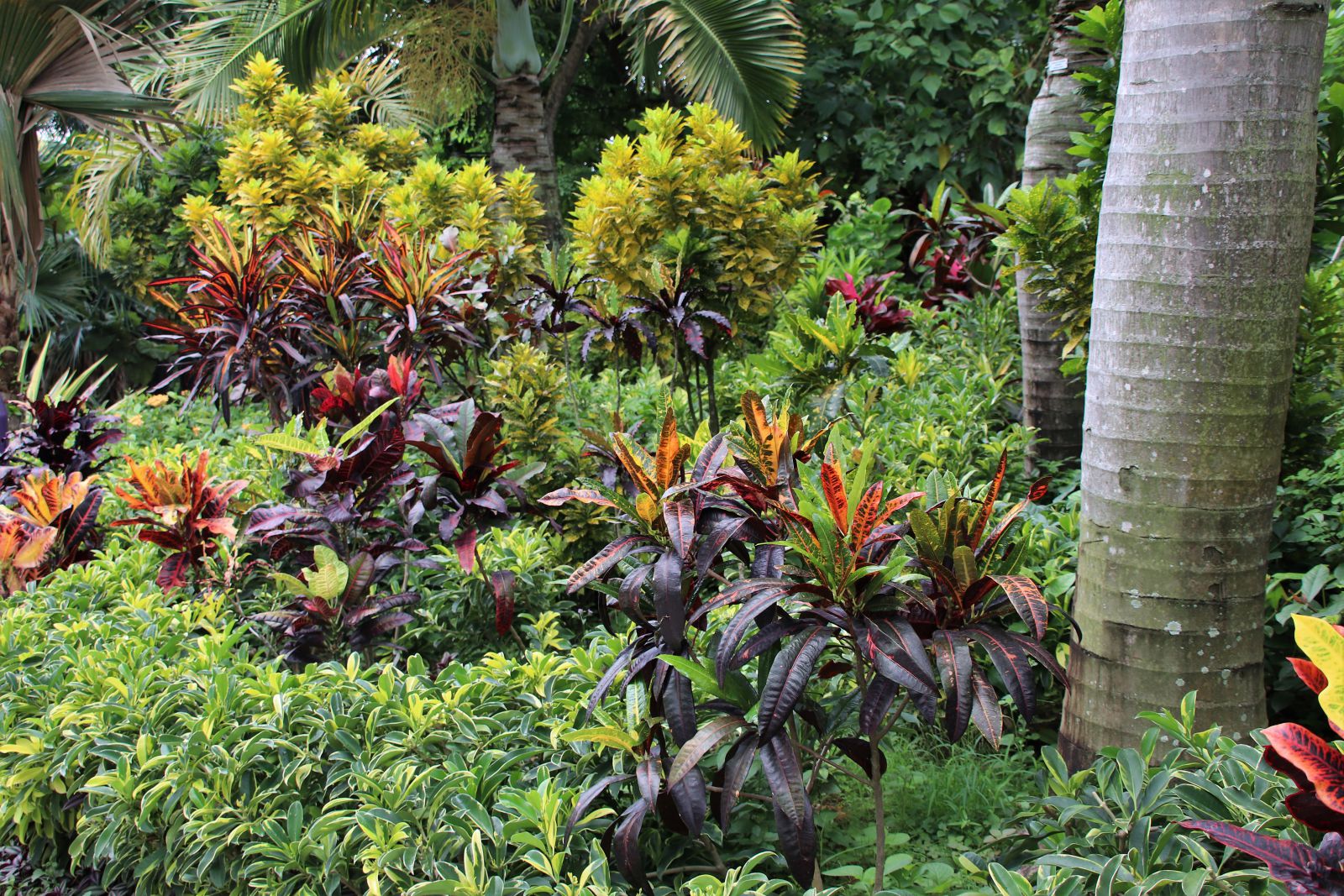
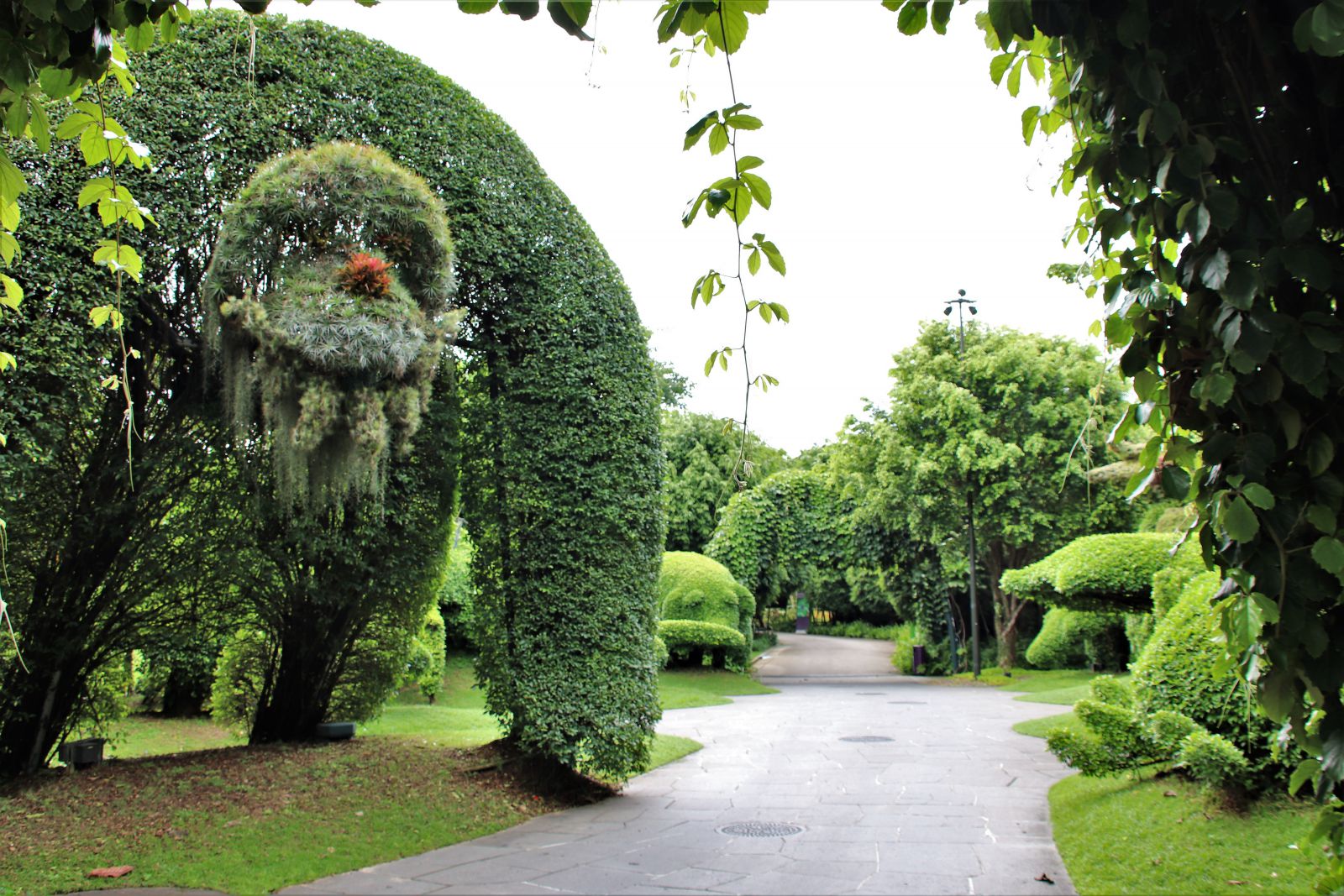
Les jardins de la baie sont organisés. c'est vrai. Une nature sous la main de l'homme pour que tout soit beau. Riche d'un héritage britannique, les singapouriens ont conservé cette dextérité à façonner le paysage, à choisir les variétés les plus riches pour créer des tableaux équilibrés, à l'infini.


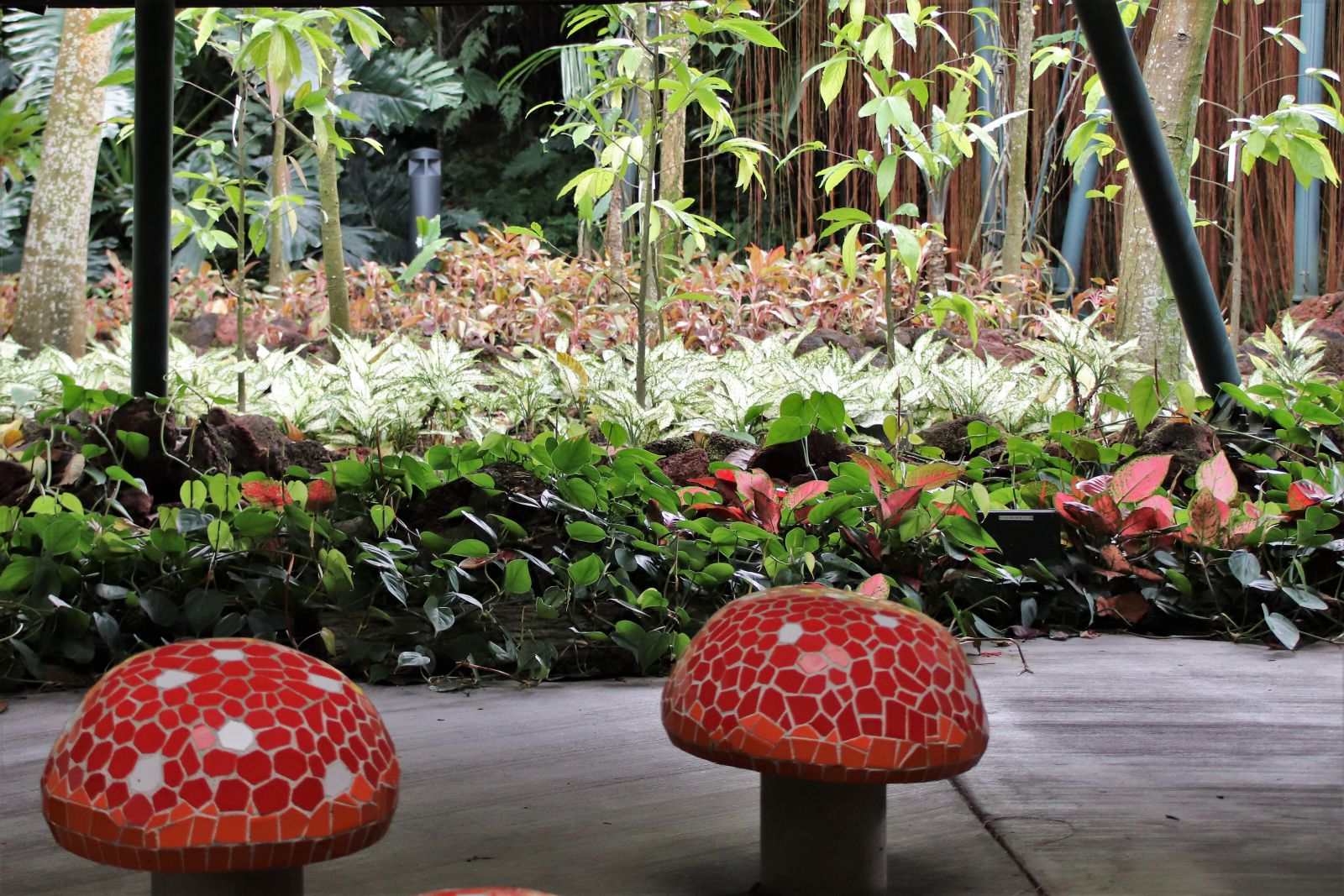
L'aspect ludique n'est jamais mis de côté. il est important d'interpeller les enfants et de les conscientiser de l'enjeu écologique et du rôle du règne végétal dans notre société d'aujourd'hui.


Le choix des variétés est aussi important. il est nécessaire de mettre en place des plantes attrayantes, robustes, volontaires et généreuses. Il faut aussi les mettre en valeur afin de leur donner les conditions optimales pour se donner. le paris du "win win" est gagné.
La politique de cet état de dictature est étonnante, chahute les apprioris et fait réfléchir d'une façon bien étrange.


De l'eau, naît la vie. Le lotus est un des amblèmes de la ville. La plante nourrit et abrite la vie, cette tortue urbaine ne le contestera pas. Elle n'envie absolument pas nos tortues d'aquarium.


Un martin-pêcheur.


Conserver les plantes est important à Singapour, vous l'avez compris et les faire connaitre aussi. A cet usage, dans le parc, deux serres peuvent être visitées. Elles sont bien différentes l'une de l'autre:

CLOUD FOREST

Est certainement celle que nous préférons. Elle tend à synthétiser une nature exubérante, sauvage, folle. Avec sa chute d'eau de 35m écumante, elle nous plonge dans un univers démesuré.


FLOWER DOME

Plus fleurie, forcément, elle est plus colorée, parfois trop colorée. Les messages qu'on peut y lire au travers des mises en scènes, des sculptures, n'en sont pas moins révélateurs. Une véritable leçon humaine.


Une journée s'avèche à Gardens by the Bay, remplie de rêves pour demain.
Nous y reviendrons deux autres fois lors de notre séjour.


11,00 €
-+

Original plants to offer at Christmas

Currently available at the nursery


Stewartia rostrata

Small tree with slightly pinkish white flowers and beautiful red color glowing in Autumn. Height of 5m in 10 years.


Neoshirakia japonica

Shrub with arched and supple branches. It adopts beautiful intense red colors through purple and purple in autumn. Height of 2m and width of 3m.


Enkianthus campanulatus 'Pretty Coat'

Small dwarf Enkianthus, slow-growing and erect branches, thick, red. Very beautiful orange-purple color in autumn. The flowers appear in May, in group of white bells.


Maackia amurensis

You may have noticed it in the back of our garden, in the middle of the 'big' round. It is in spring that it is beautiful with its silver gray leaves at the break. The white flowers appear in bells in summer. Height of 5m.


Styphnolobium japonicum 'Flavi-rameus'

Atypical small tree, with yellow wood. very attractive in winter. Its crown is round and elegant, its leaves, composed are fine, soft yellow in spring and then yellow gold.


Prunus cerasifera 'Zloty Oblok'

Ornamental cherry with very attractive yellow leaves. Yellow cherries late summer. Ordered for the Vasterival, or perhaps for his personal garden, by Didier Willery.


Euonymus myrianthus

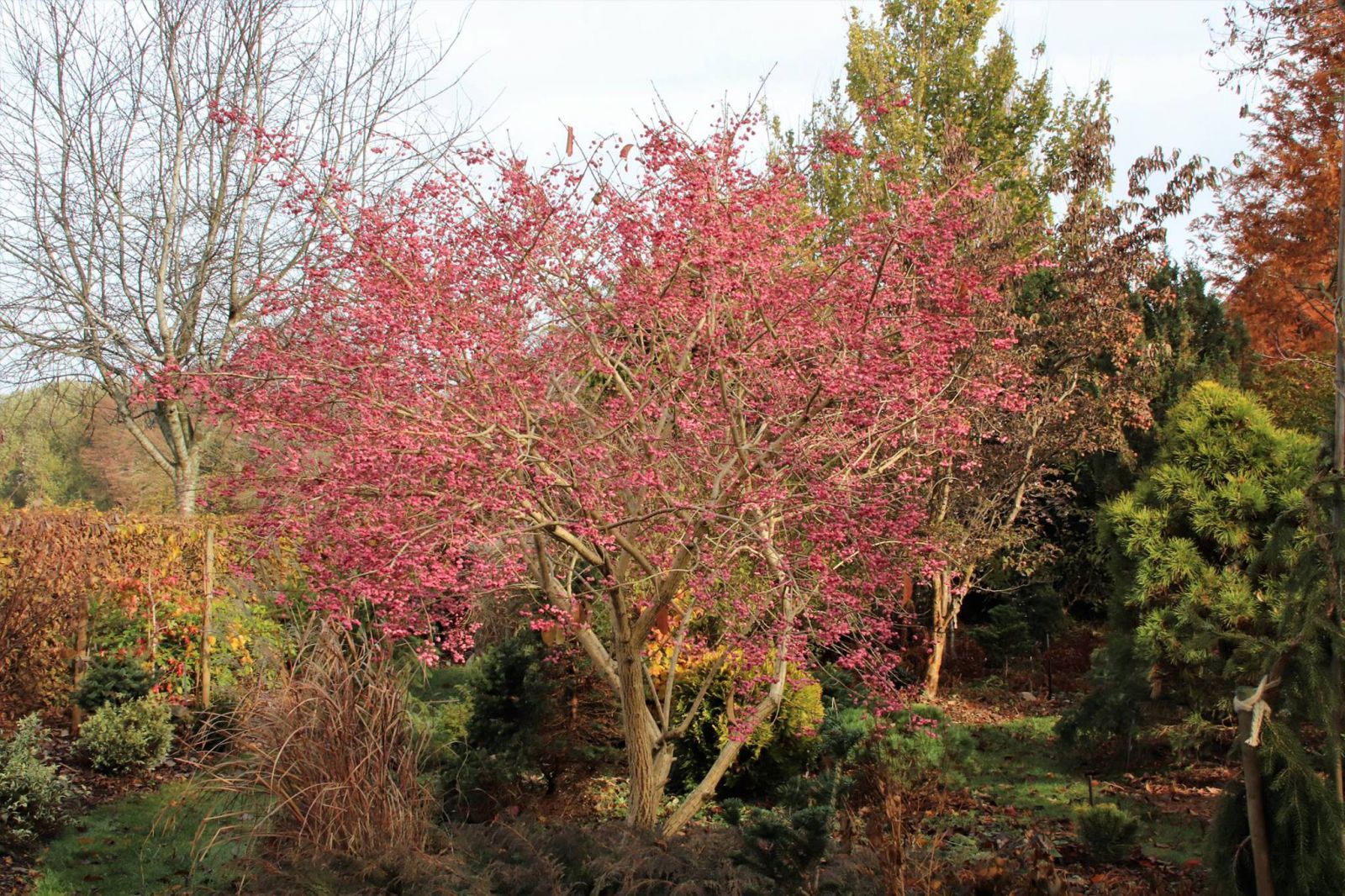
Charcoal tree with amazing fruit in autumn, a deep orange-yellow. planted with great character by Jean-François Dantec at Etang de Launay.


Pricrasma quassioides

Small Asian tree with bright yellow autumn foliage and bright red petioles.


Ailanthus altissima 'Purple Dragon'

Exotic foliage. The new shoots are purple red, before turning green in shades. Height 6m. Planted with love by Guy Vandersande at Pairi Daisa.


Winter barks - BETULA

Betula utilis 'Mount Luoji'

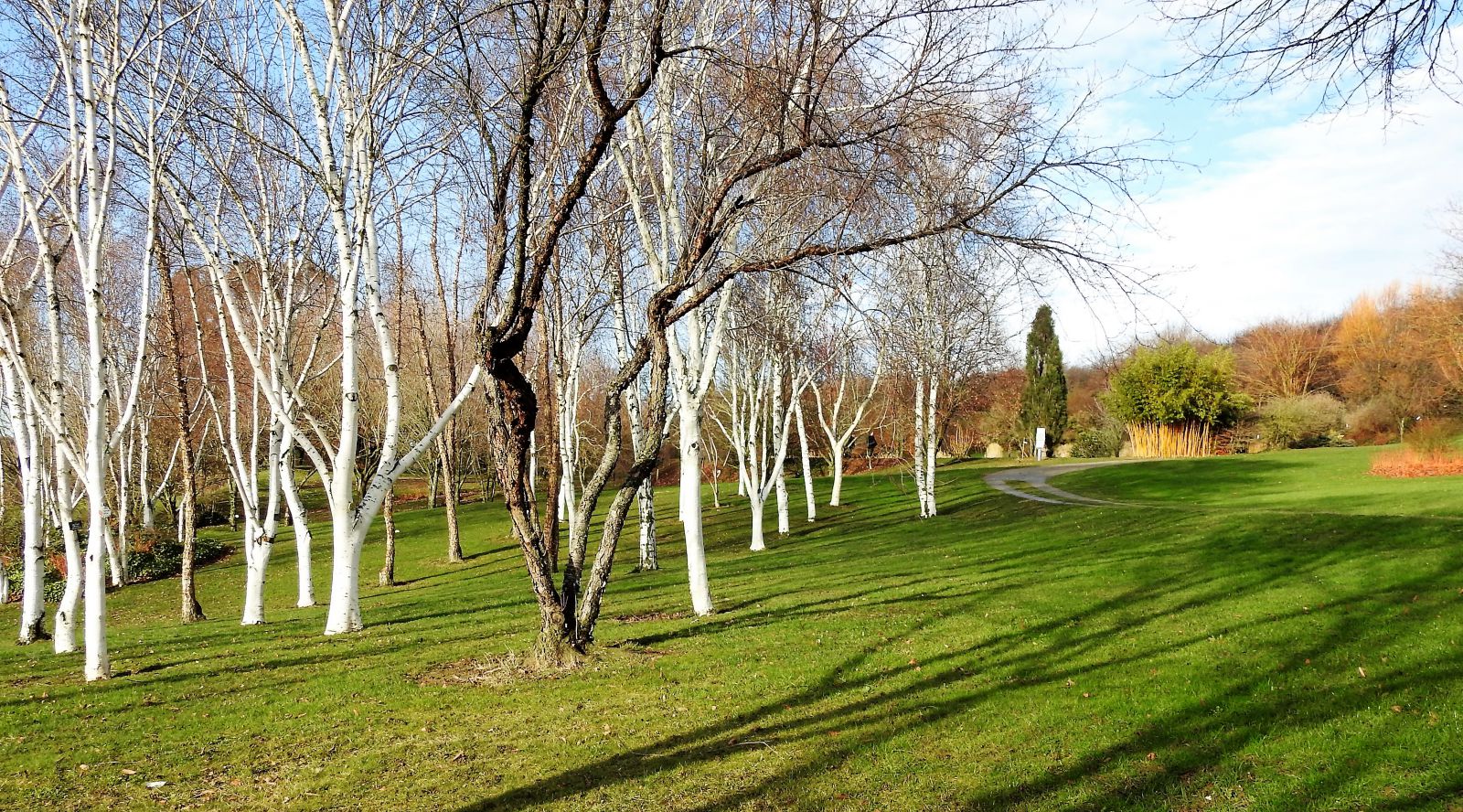
Chinese birch with beautiful dark mahogany brown exfoliating bark. the fresh bark is milky.


Betula utilis 'Wakehurst Place Chocolate'

Beautiful shiny bark and totally chocolate brown to red.


Betula utilis 'Doorenbos'

An immaculate white bark, without having to rub it.


Betula ermanii 'Mount Zao Purple'

Erman birch with special bark. It owes its name to its Japanese origin and its pale, lustrous, horizontally striated coral. Height 10m.


And many more things in our online catalog.

2018 - une année riche d'événements

Tout doucement, (ou pas finalement), nous nous rapprochons de la fin de l'année et des rétrospectives. Nous avons terminé notre saison d'automne, de foires et de portes ouvertes, alors voici notre petit album souvenirs.

Une saison de foires aux plantes se prépare avec soin, que ce soit le choix des plantes ou une façon de les présenter, très tôt nous cogitons, nous fouinons dans les nouvelles listes de nos partenaires, nous en cherchons de nouveaux. Bref, pour le printemps, notre travail de fourmis commence maintenant, des mois à l'avance.
 

HIVER-PRINTEMPS 2018

En janvier, une fois n'est pas coutume, nous visitons la foire d'Essen, en Allemagne. On y trouve quelques nouveautés, même si en matière de conifères, l'offre reste plutôt habituelle.


En février, ce sont les jardins d'hiver qui nous appellent et nous faisons la rencontre de Christian Peyron, un artiste jardinier magnifique.


L'homme est surprenant à plus d'un titre


Nous profitons d'être dans la région pour saluer Simone Rivation et Sylvain Brunet-Manquat, et aussi visiter le Jardin Botanique de Lyon.


En mars, nous avons visité quelques uns de nos partenaires et d'autres plus connus.
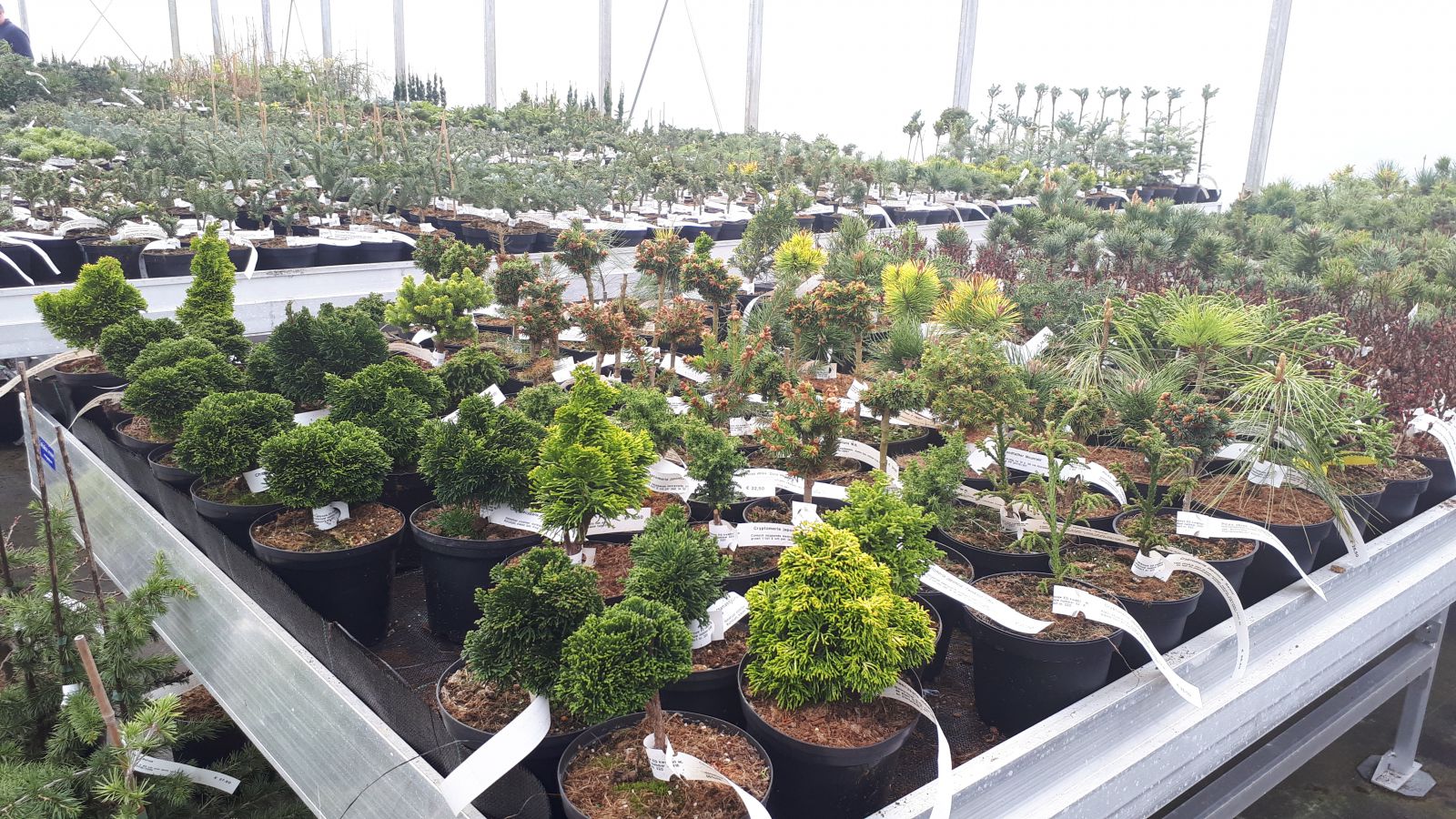
A Boskoop, en matière de plantes, on trouve de tout, toute sorte de pépinières, jardineries et dans la pluspart d'entre elles, si on prend la peine de fouiner, on déniche de véritables petits trésors raricimes.
Esveld est un incontournable.
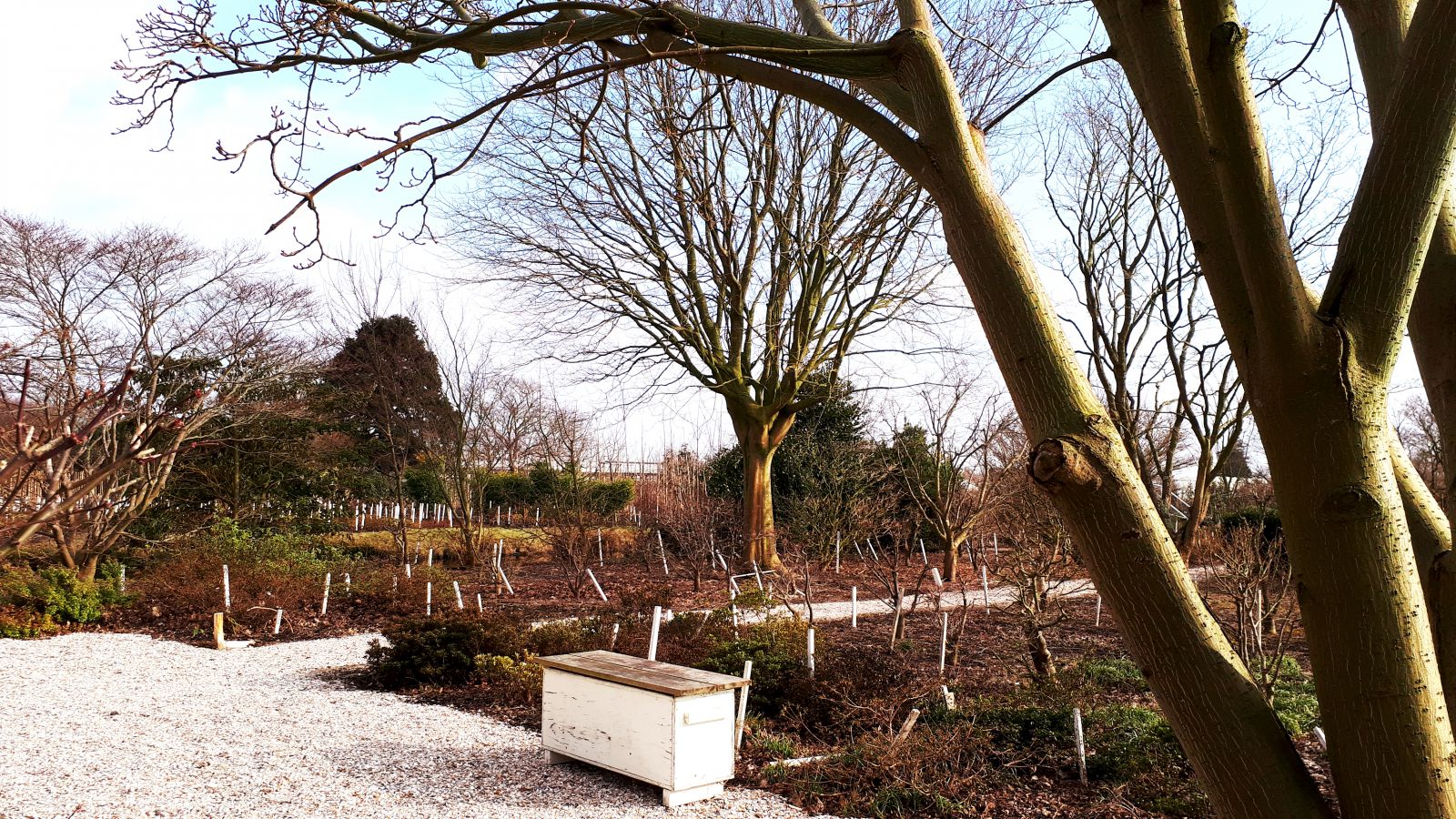
Promenade dans l'aceratum et dégustation de thé, à l'anglaise. un grand plaisir pour nous.
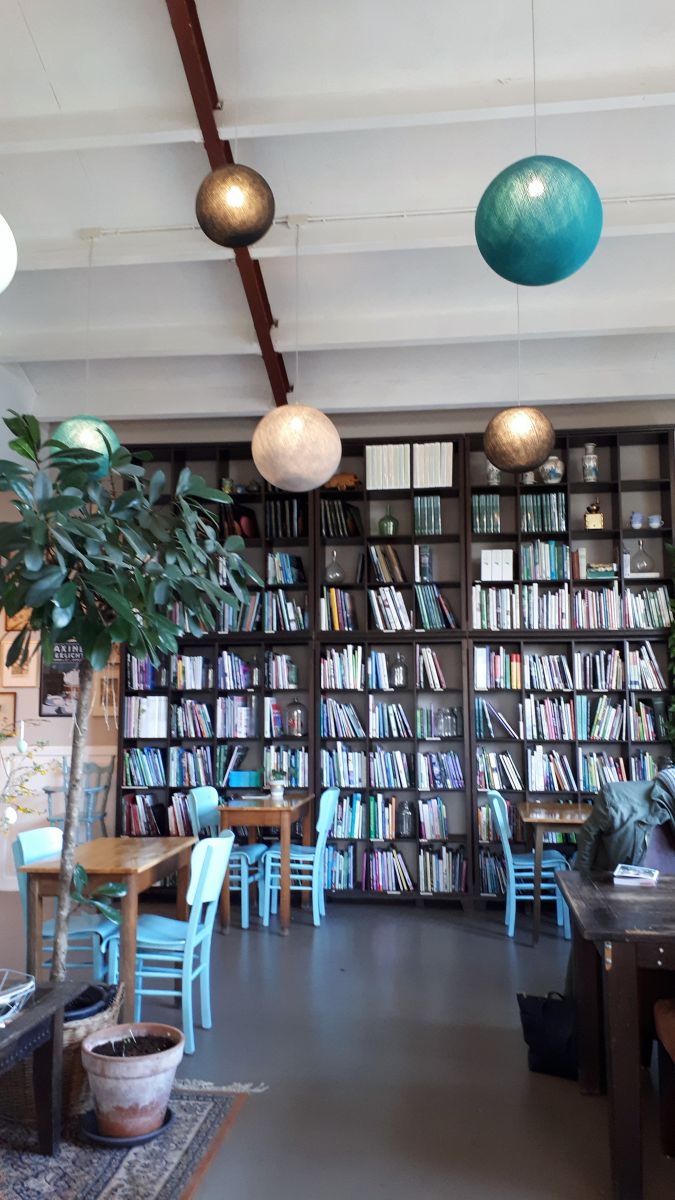
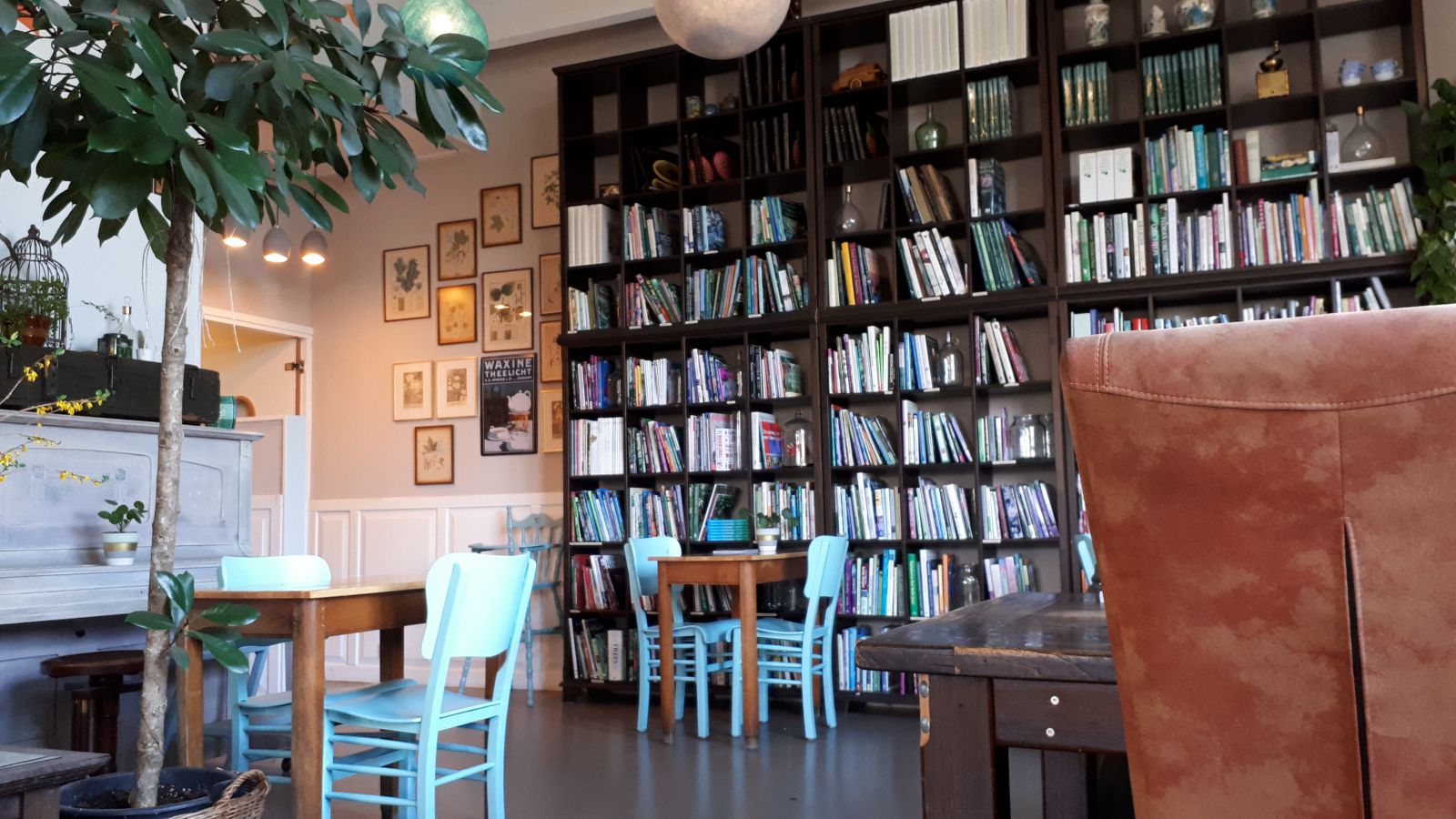


Le 11 mars, nous visitons également la Fondation Kreftenbroeck Arboretum à Rhodes-Saint-Génèse et son très beau jardin, avec notamment un escaliers aux conifères, mémoire d'une époque où les jardiniers aimaient les utiliser.


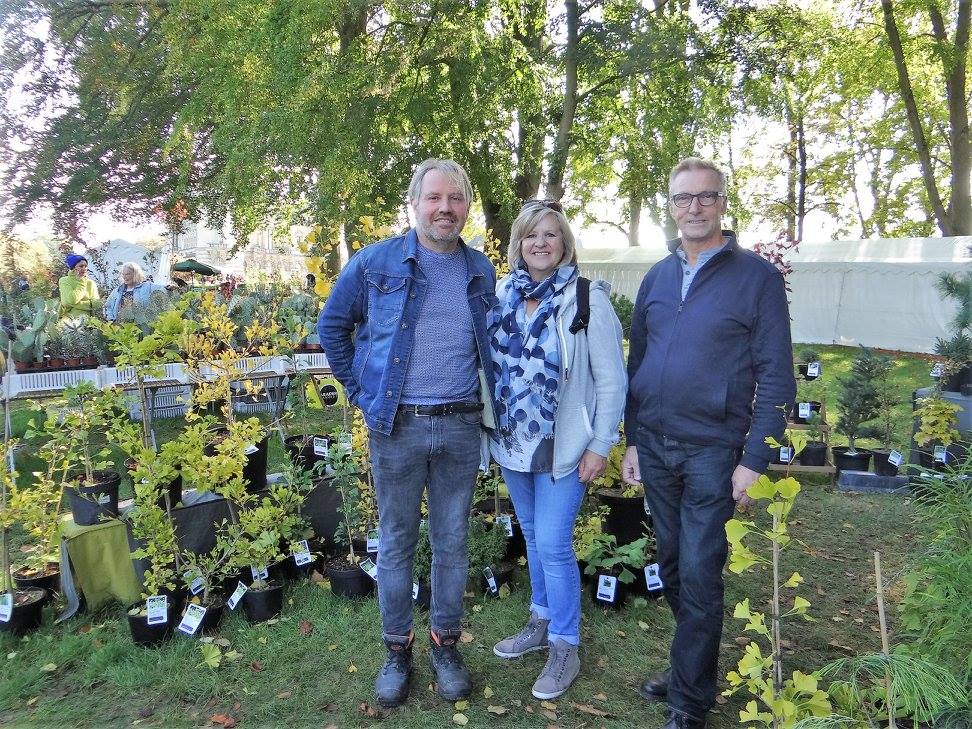
Nous y retrouvons avec plaisir Sandrine et Thierry Delabroye avec leur fabuleuse collection d'Helebores.


Les 28 et 29 avril 2018 - Ce sont les JOURNEES des PLANTES rares et de collection à la FEUILLERIE DE CELLES
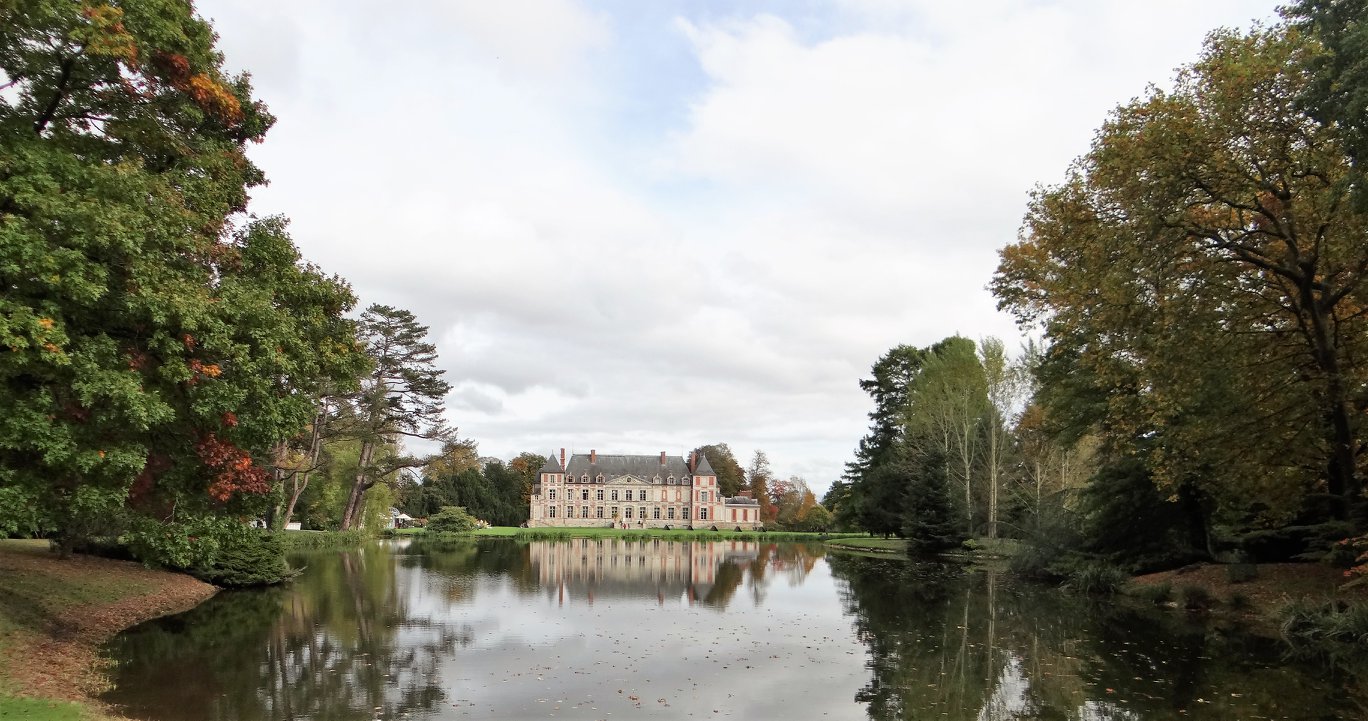
Dans ce domaine magnifique, entretenu avec soin et passion, c'est toujours un plaisir de pouvoir fouler l'endroit avant le public. moment de zenitude.
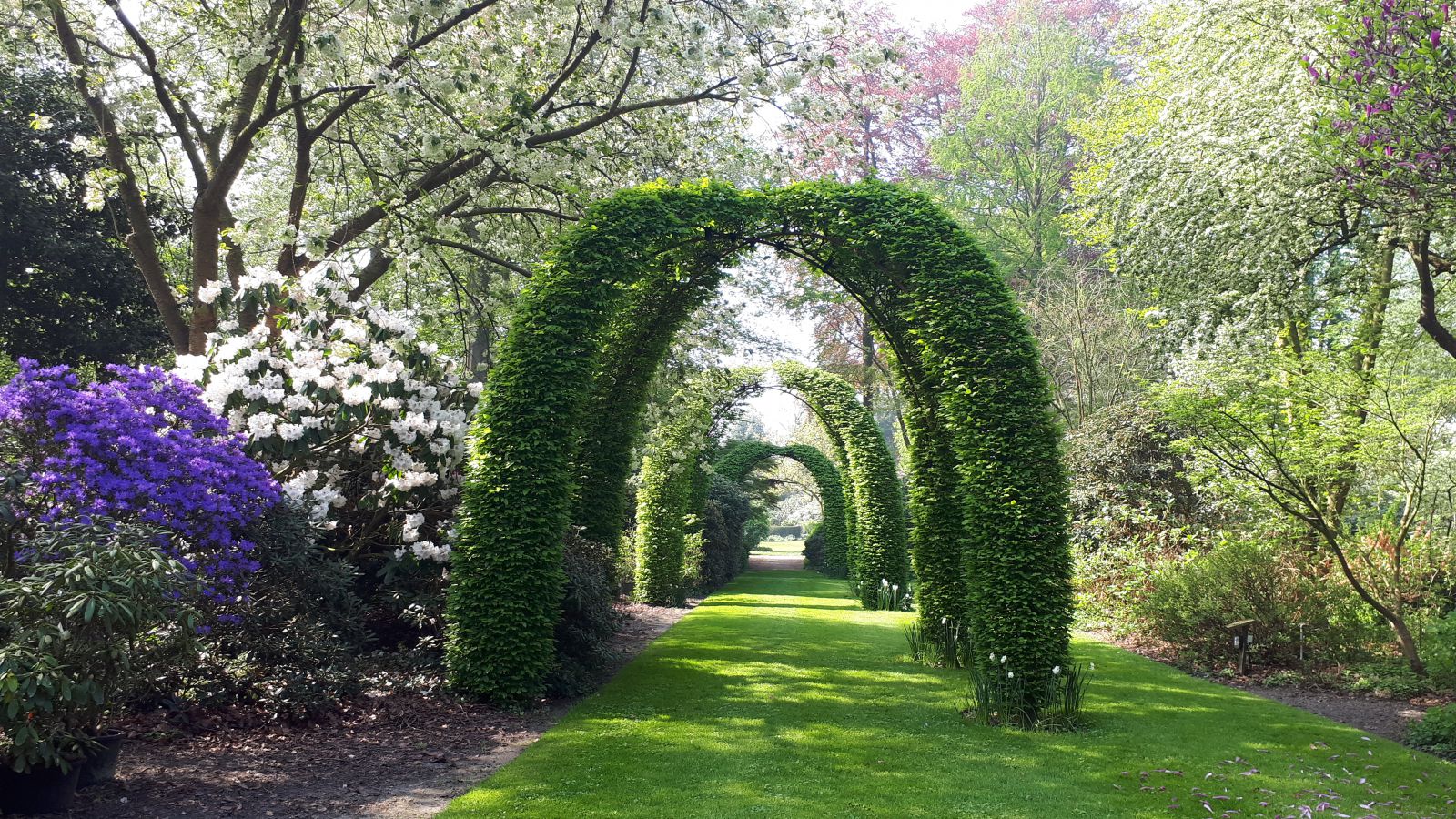
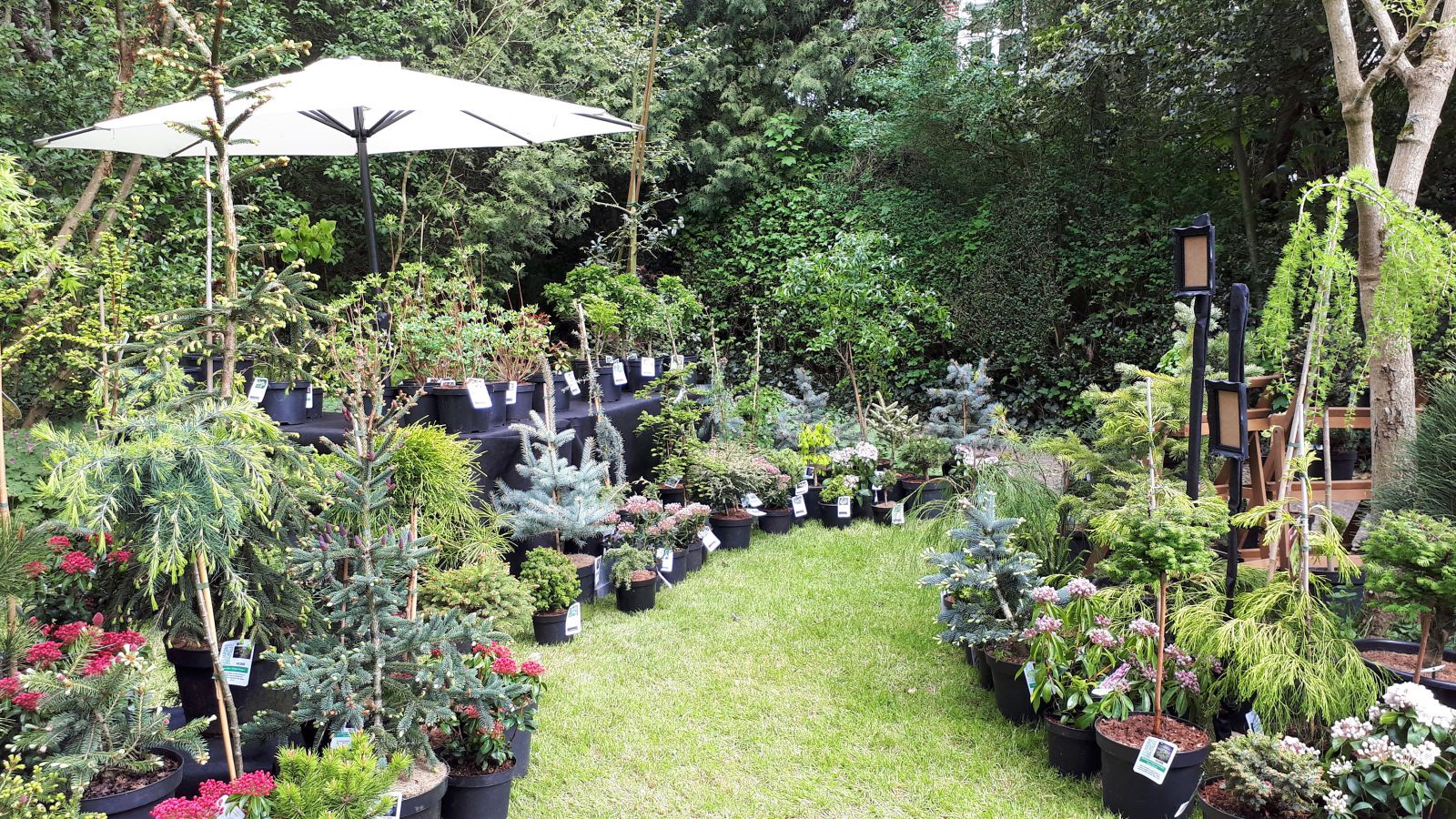
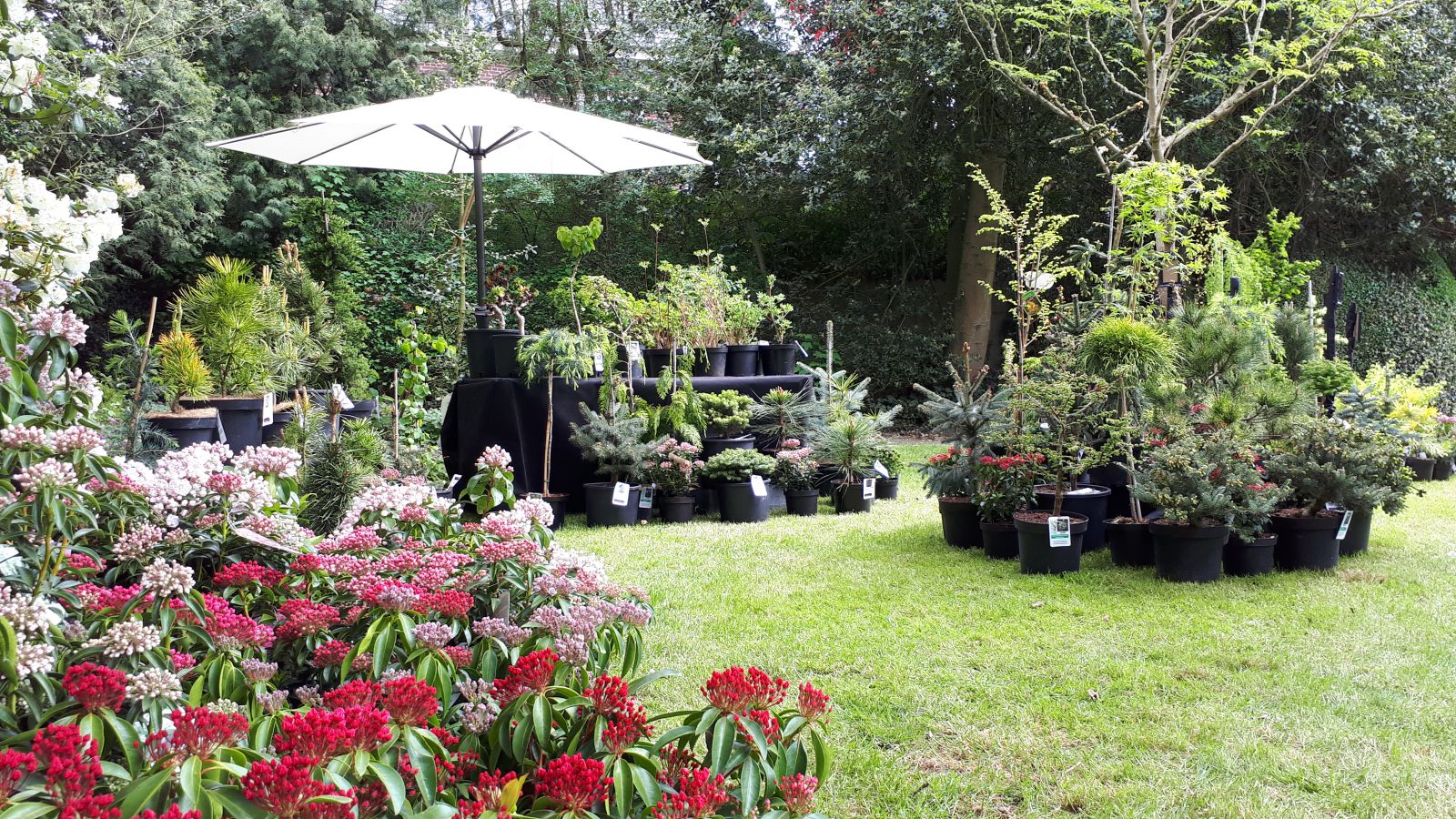
Cette année les kalmias n'ont jamais été aussi beaux. Ils sont très prometteurs. Les conifères sont tout en couleur avec les nouvelles pousses et les cônes colorés.
  

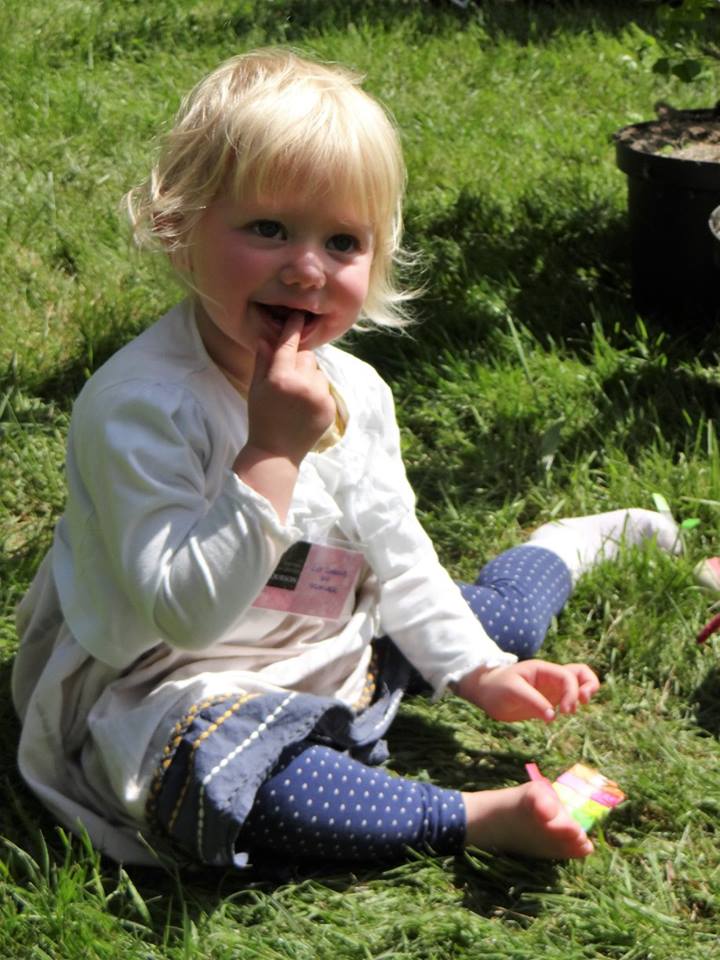
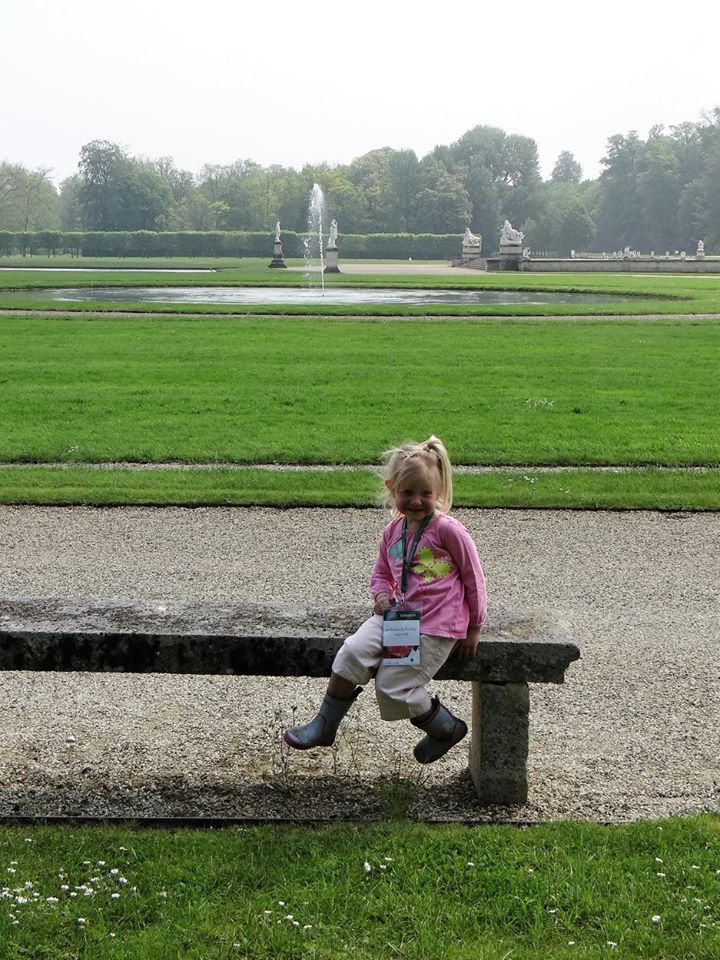
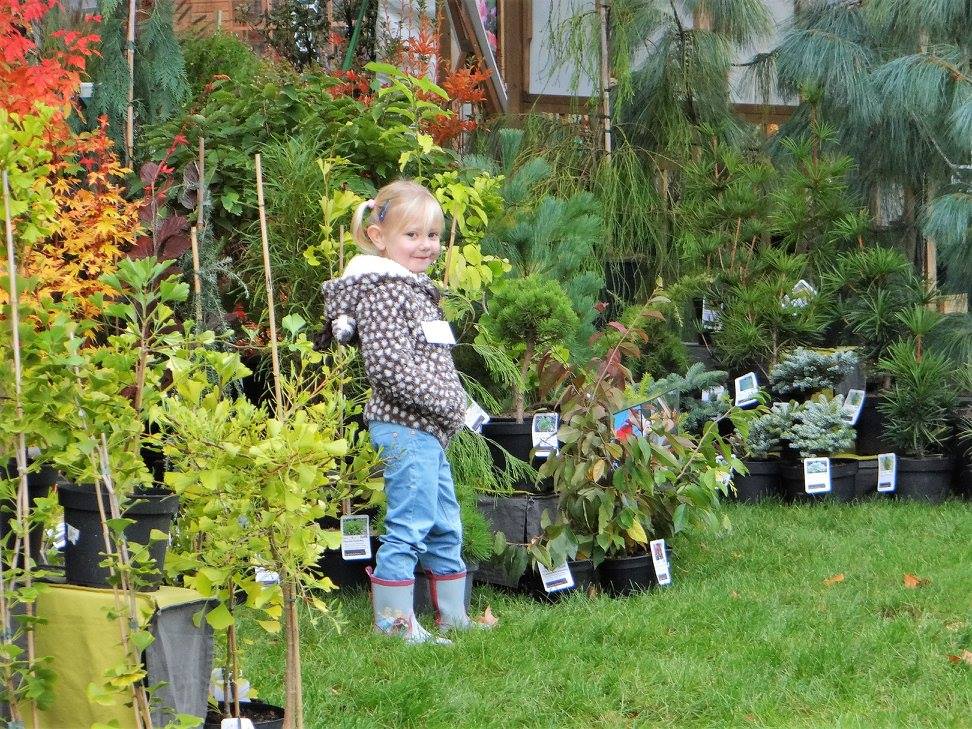
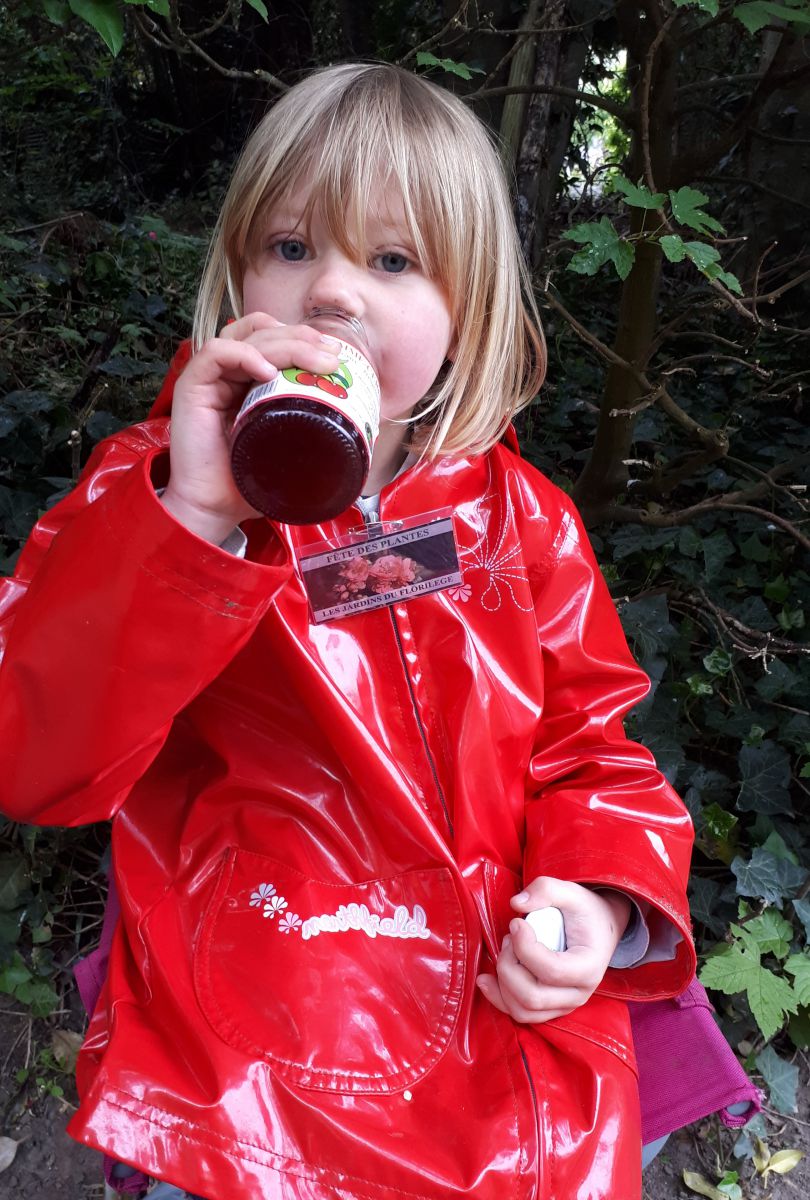
Ness s'est encore beaucoup amusée avec la balançoire de Palick, mais elle s'est aussi régalée avec le jus de pommes de Carine gdf.
Dimanche il a beaucoup plu et Bernard Cwiek des Hôtels à insectes lui a pretté son beau chapeau de lutin géant.


Le 15 avril, nous allons à KALMTHOUT.
Abraham Rammeloo nous a chaleureusement invité pour la foire aux plantes et, une fois n'est pas usuel, c'est comme visiteurs que nous découvrons ce bel arboretum à Pâques. 
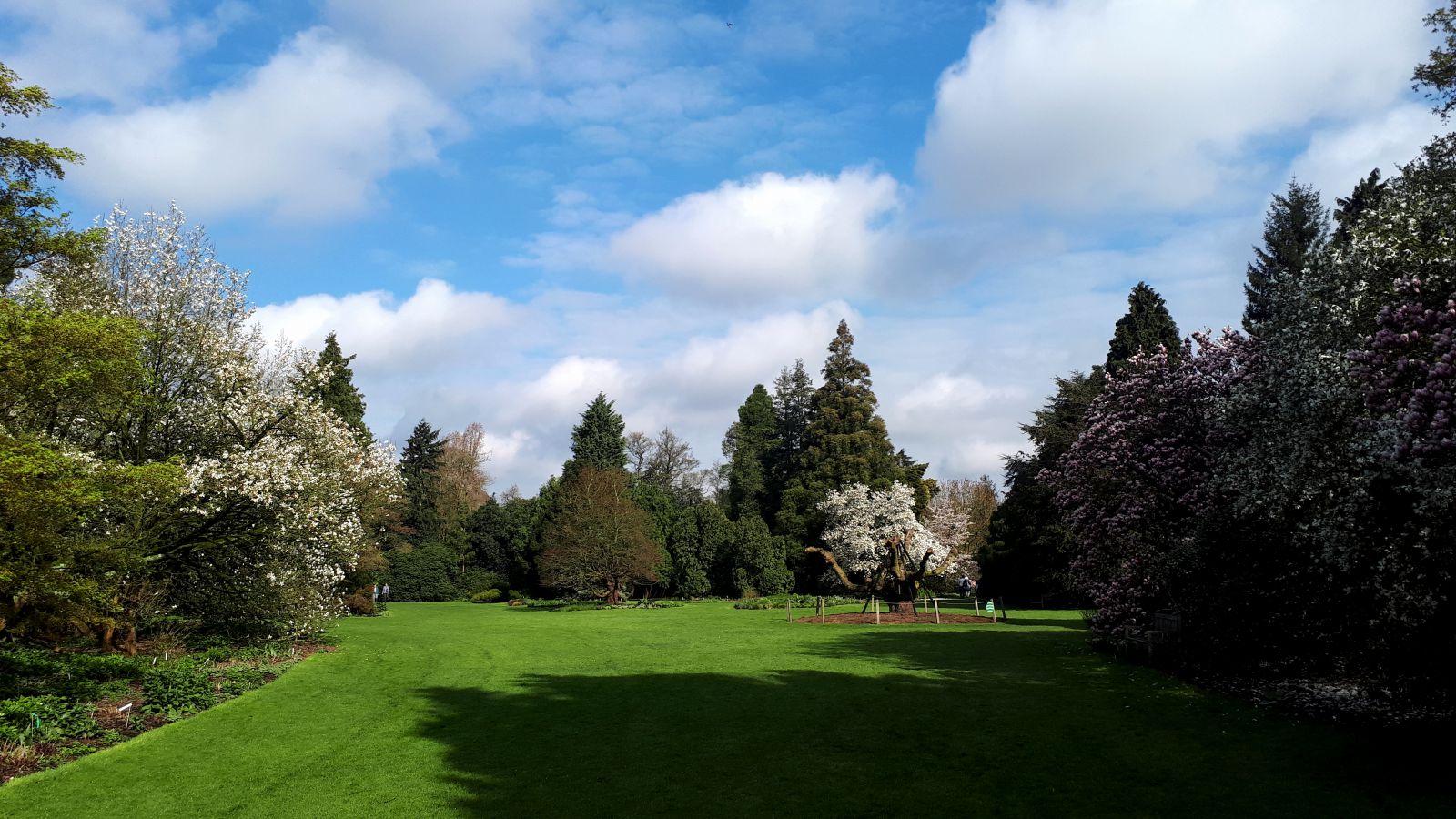
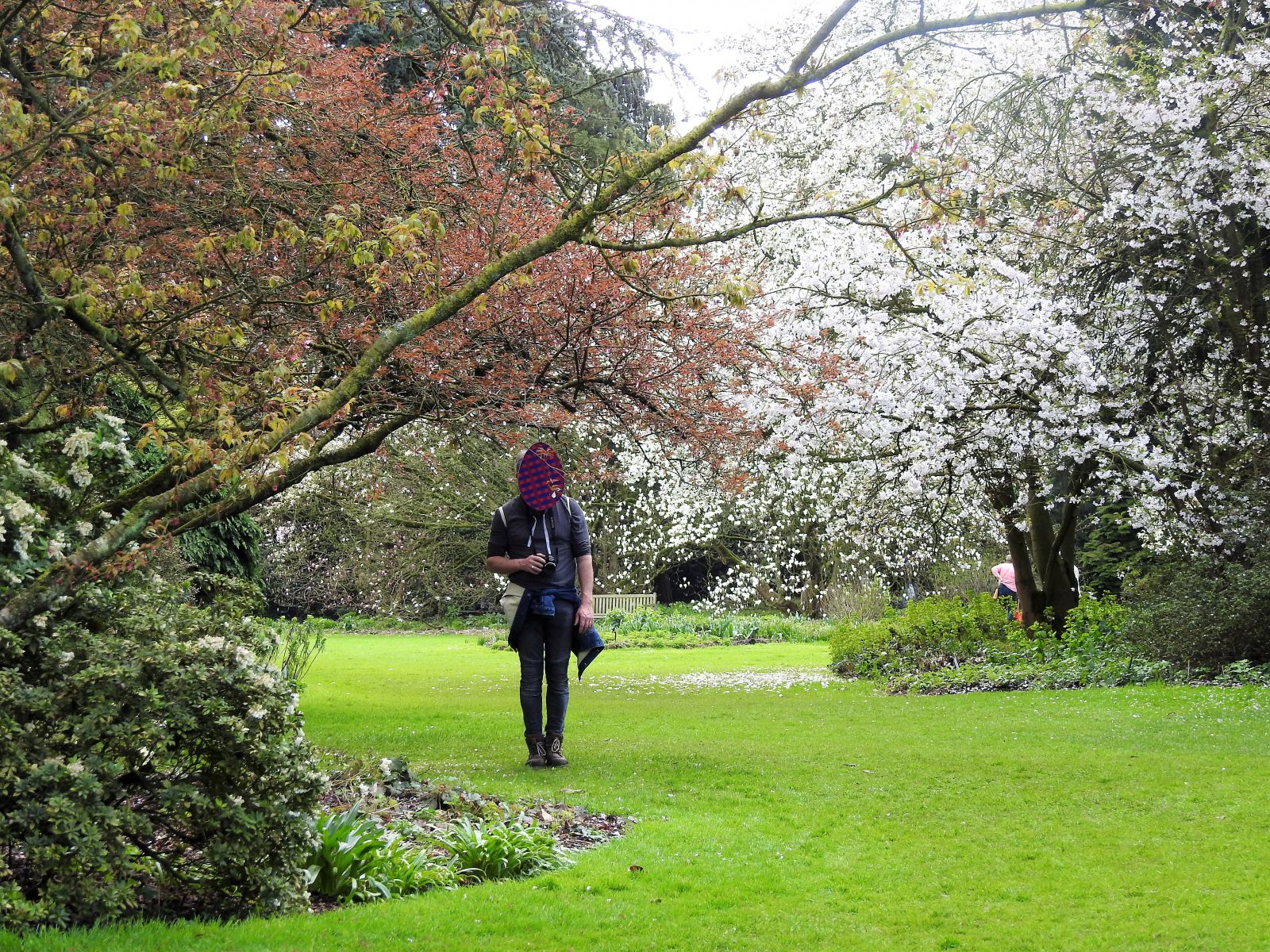
Laurent se prend pour un oeuf et je me pâme auprès des magnolias.


Le 05 mai, avec le cercle des dendrologues belges, nous visitons une fabuleuse collection de Wisteria, près de Gand.


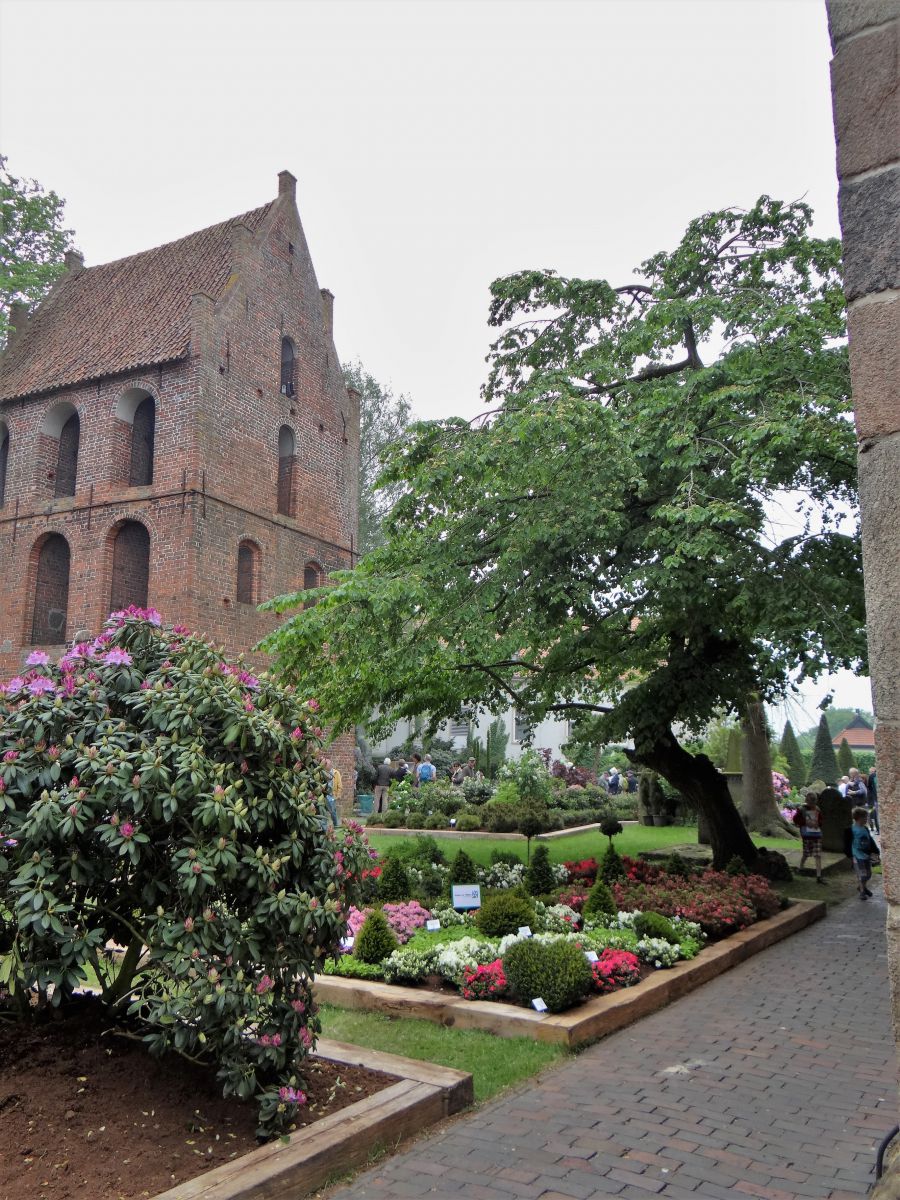
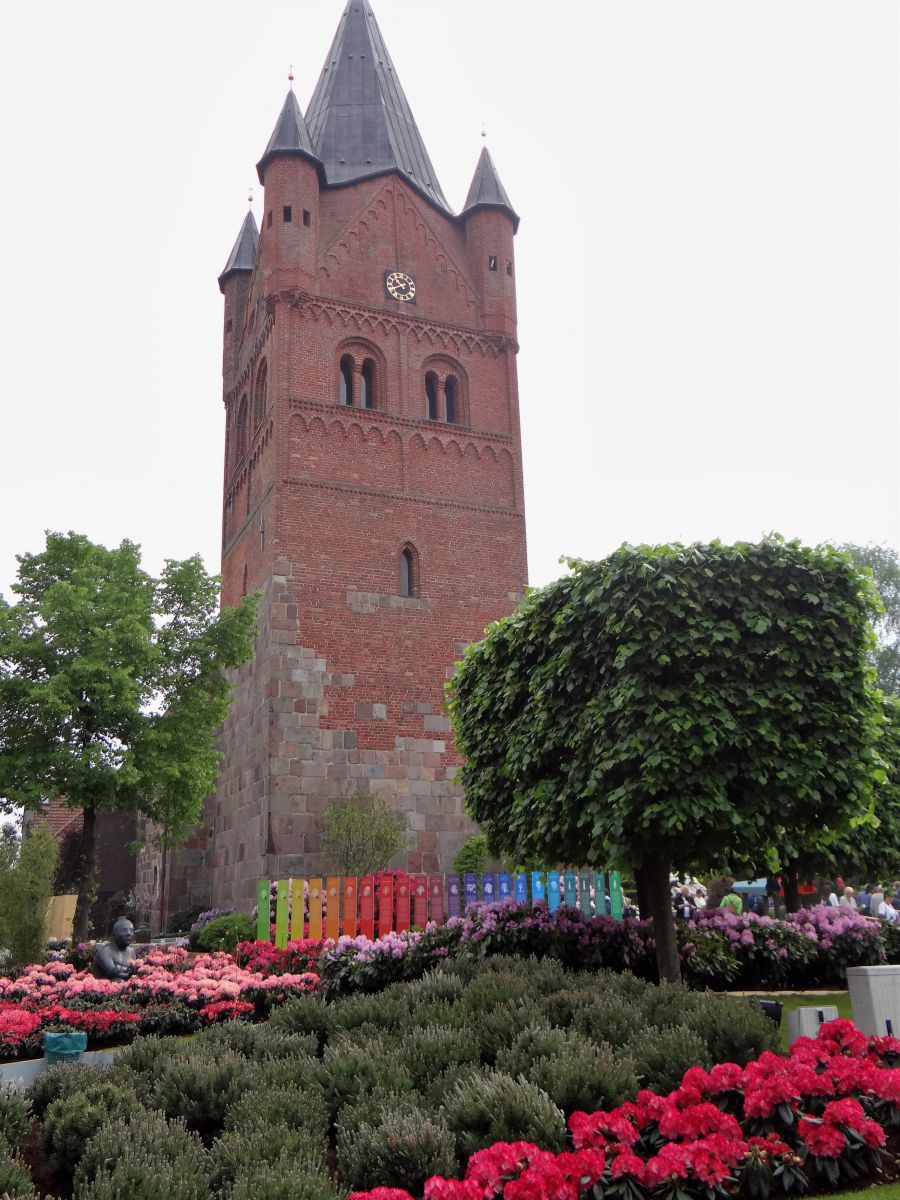
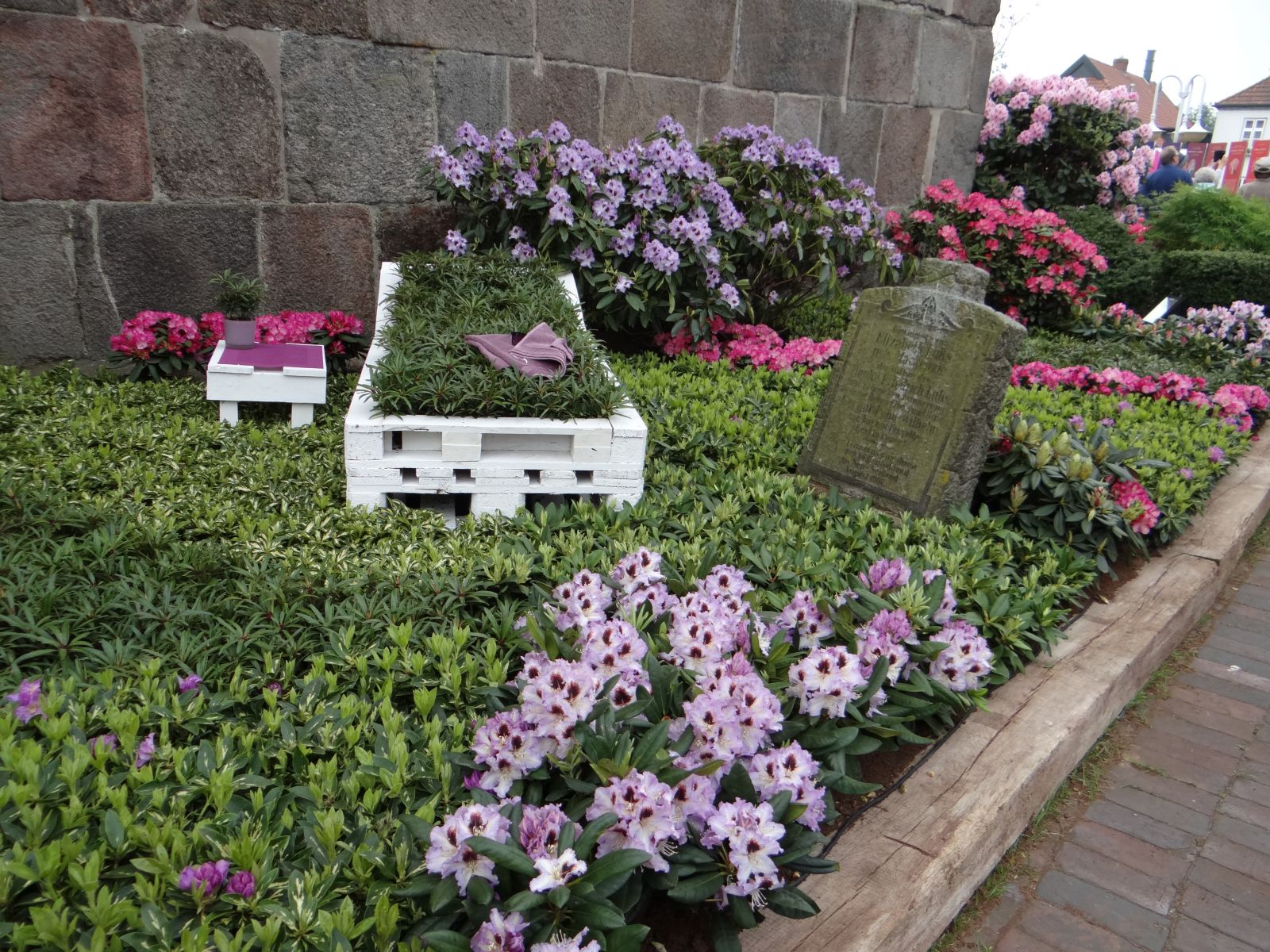
Les 10 et 11 mai, nous sommes partis dans le nord de l'Allemagne, sur les conseils d'un de nos partenaires, visiter l'Exposition de Rhododendrons de Westerstede.
Nous nous sommes régalés. L'exposition est exceptionnelle, présantant des plantes de qualité et des cultivars intéressants à plus d'un titre.
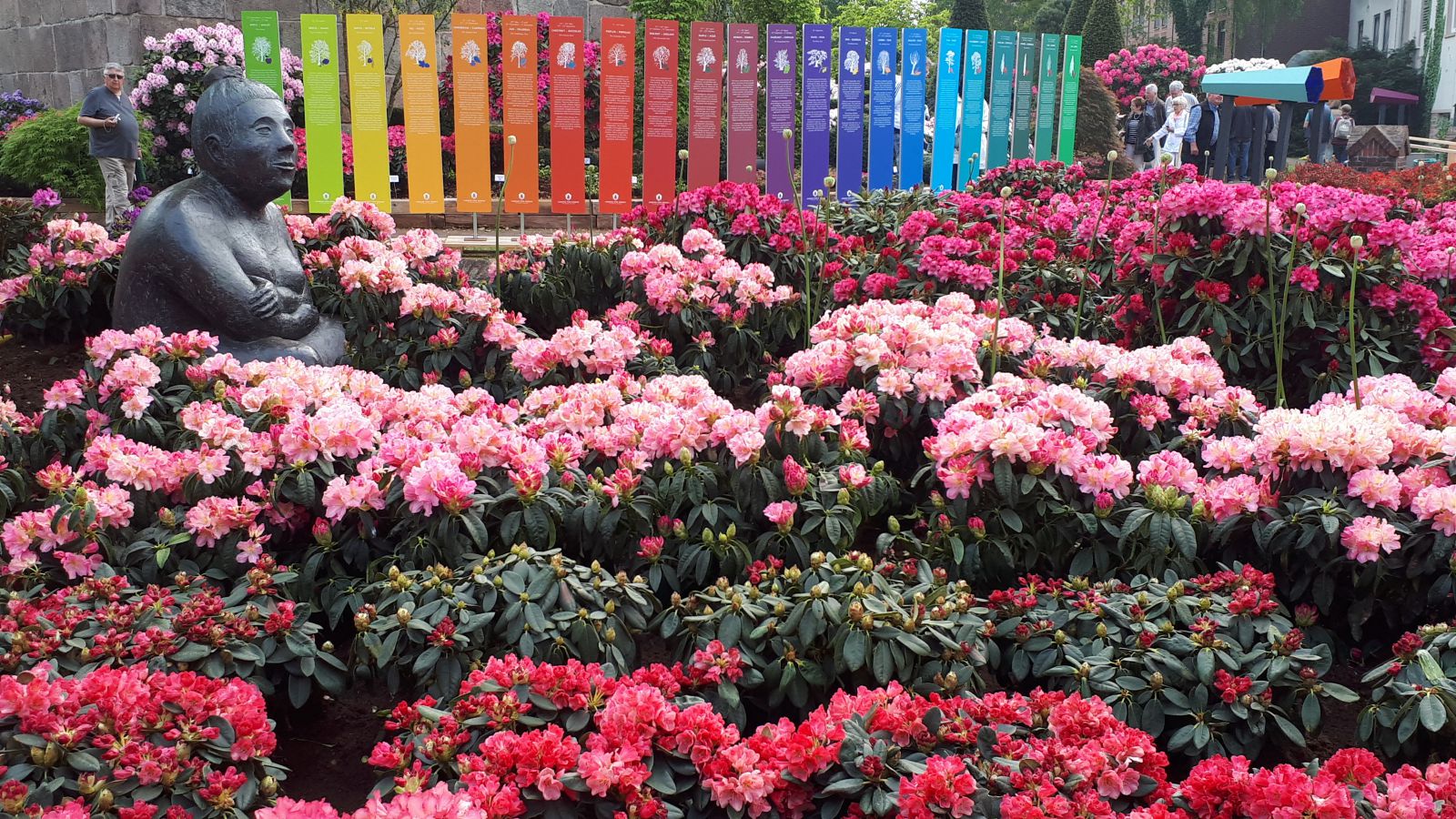


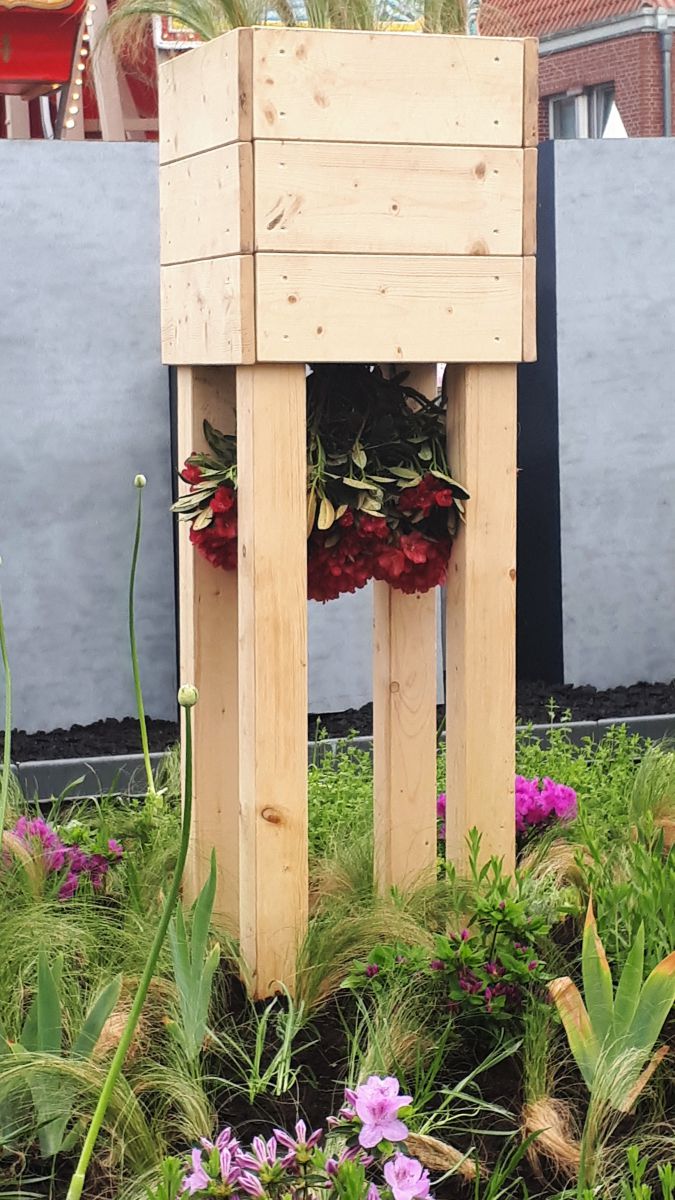
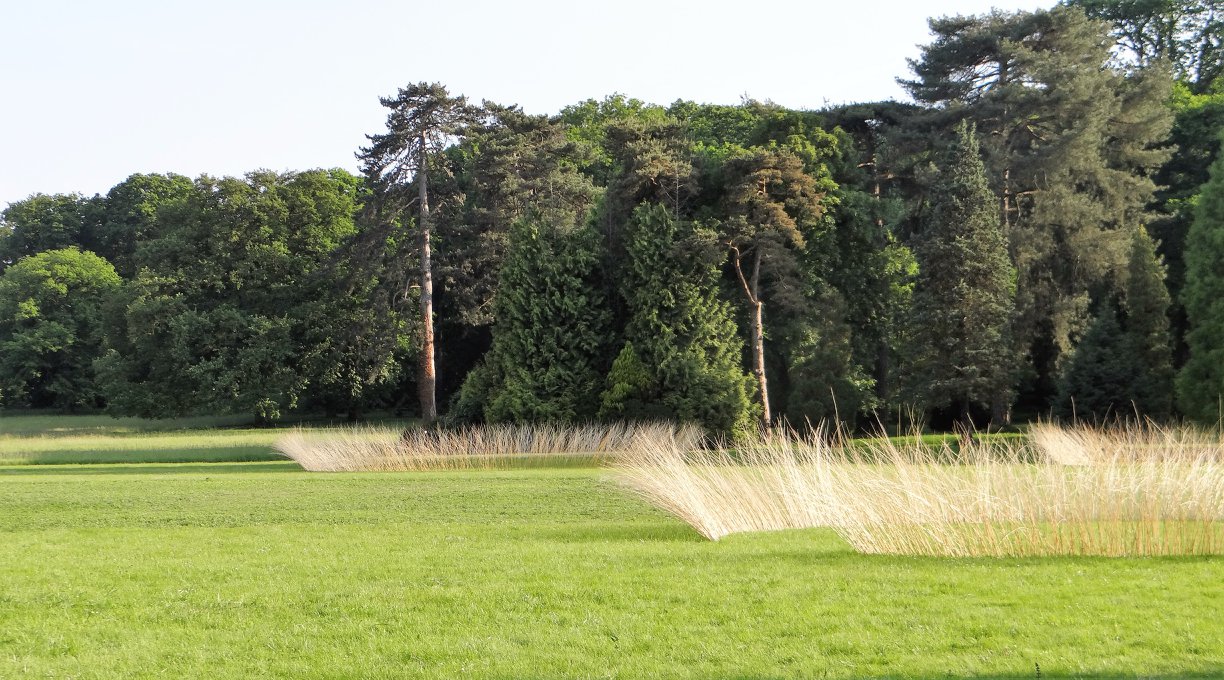
Dans cette région, riche en tourbières, on y trouve beaucoup de pépinières, notamment spécialisées en rhododendrons, mais aussi en conifères. Les allemands utilisent leurs techniques de culture avec zèle; les plantes sont taillées, densifiées et utilisées parfois de façon inattendue, comme ce tapis carré de Pinus, ci dessus, à droite.

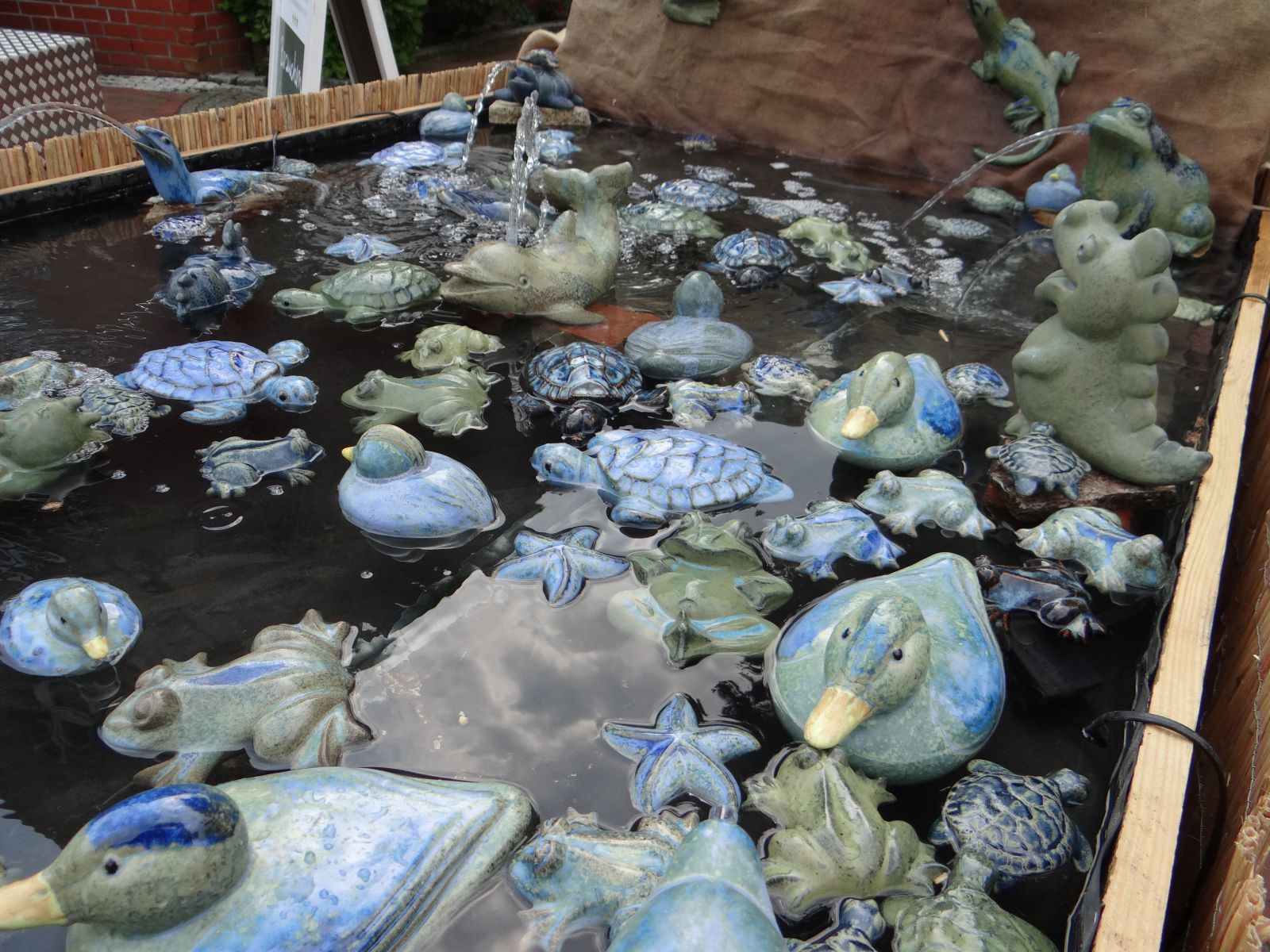
Une partie de l'expo se consacre aux produits de bouche et à la déco, avec des tendances un peu différentes des nôtres.
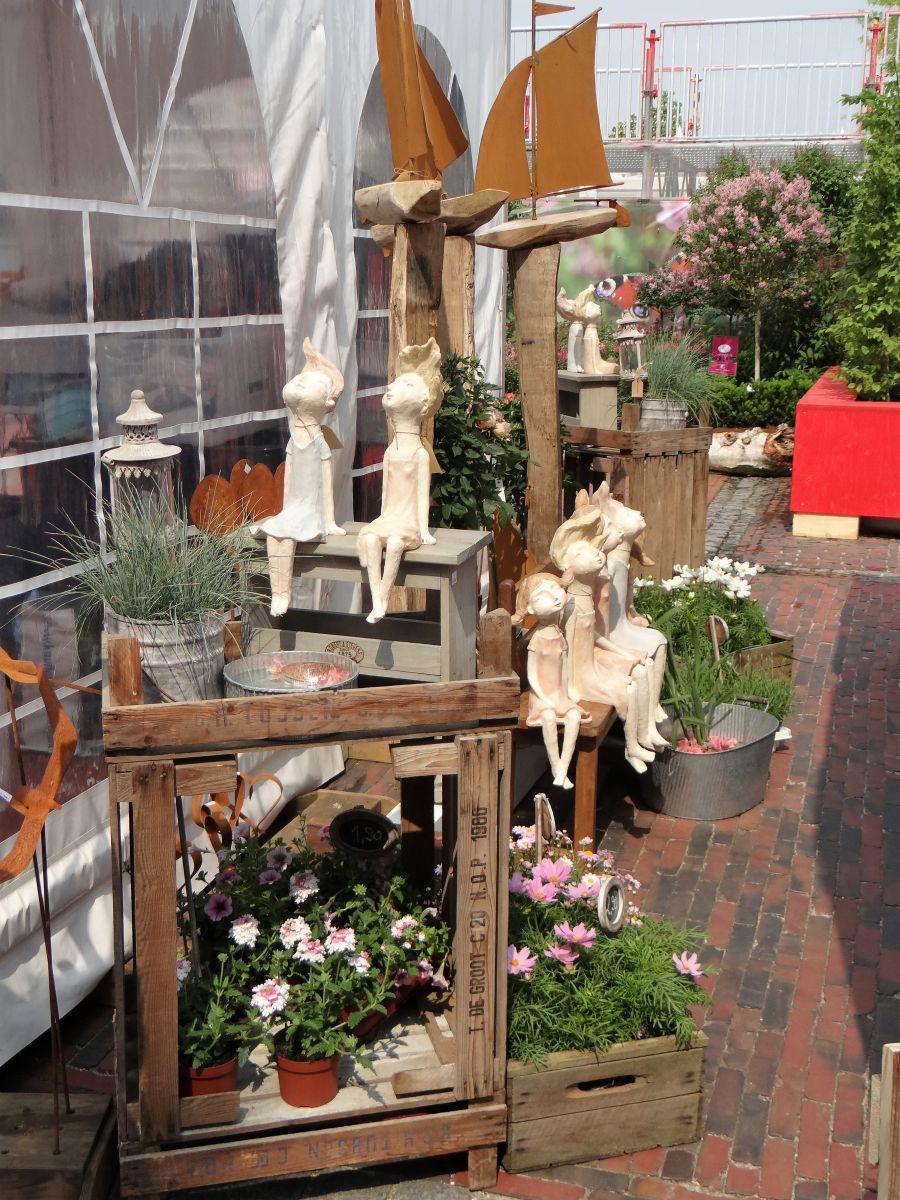


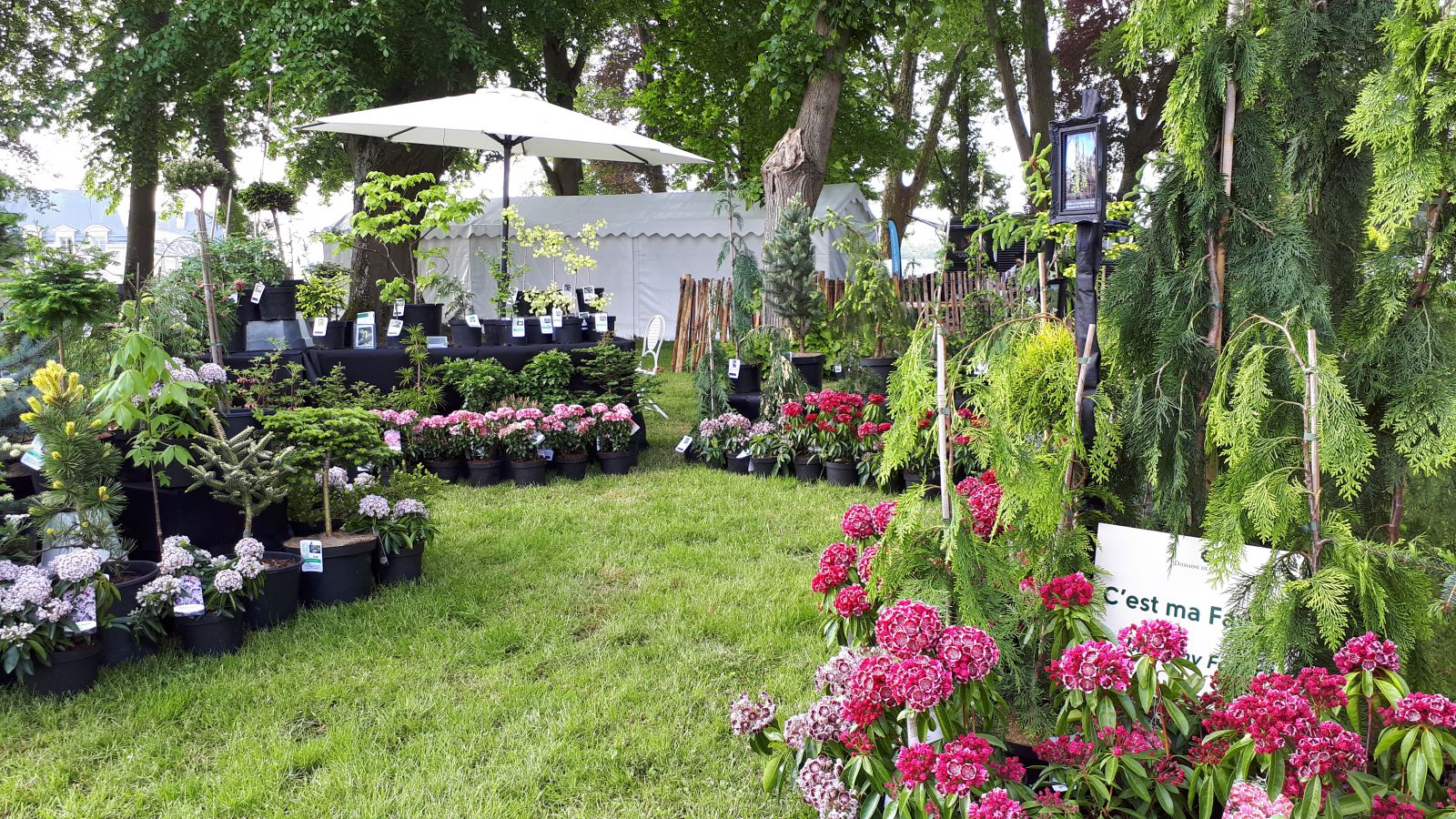
Du 18 au 20 mai - Les JOURNEES des PLANTES de CHANTILLY

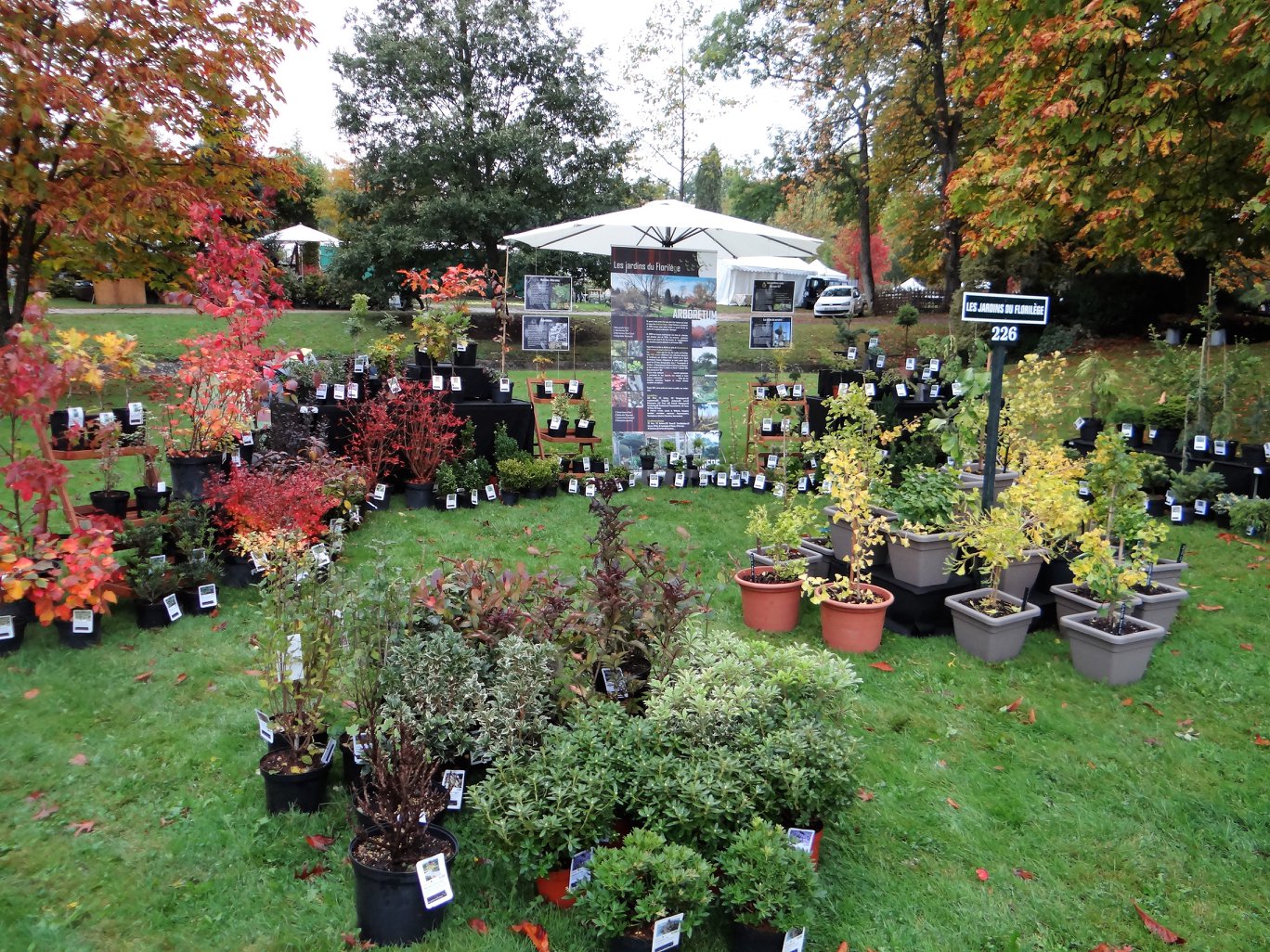
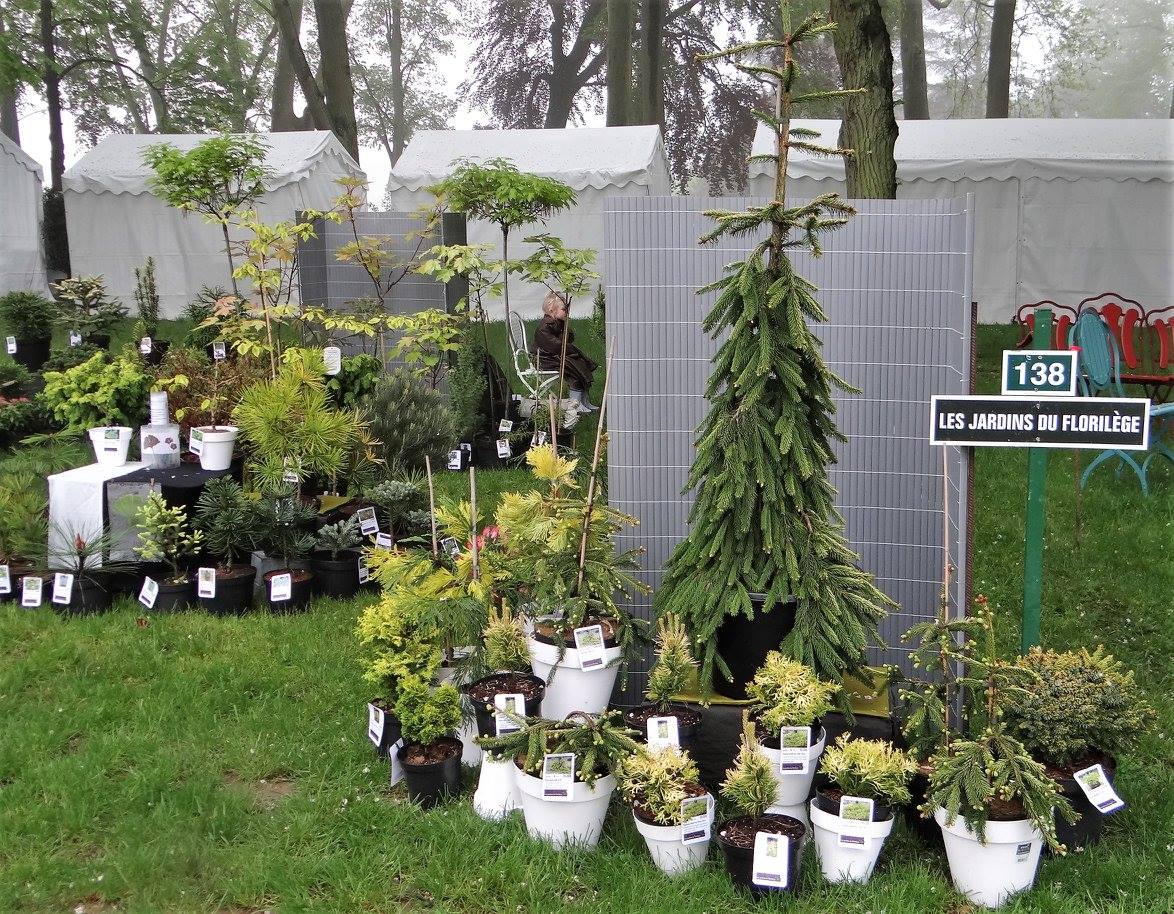
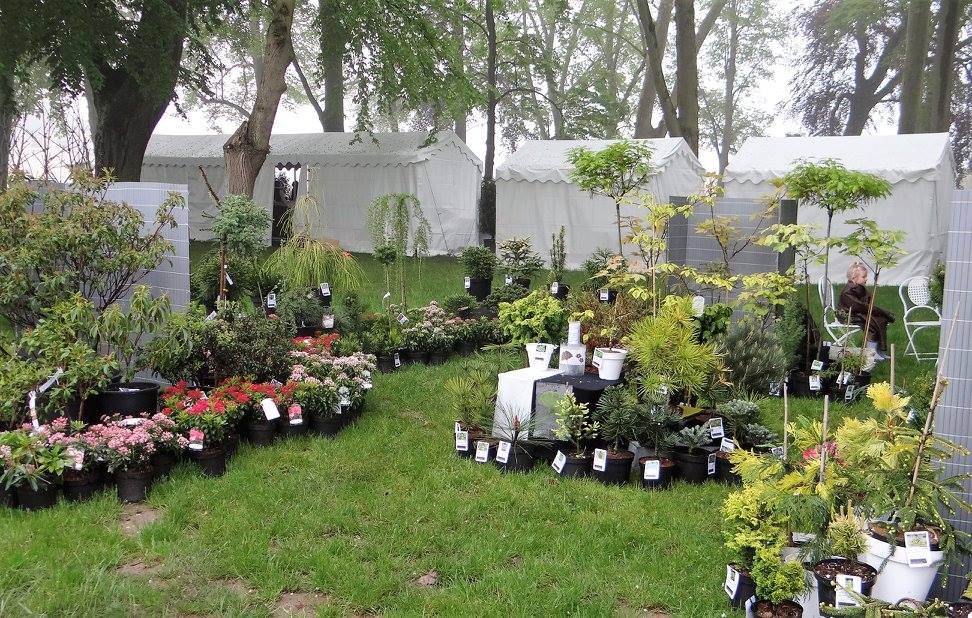
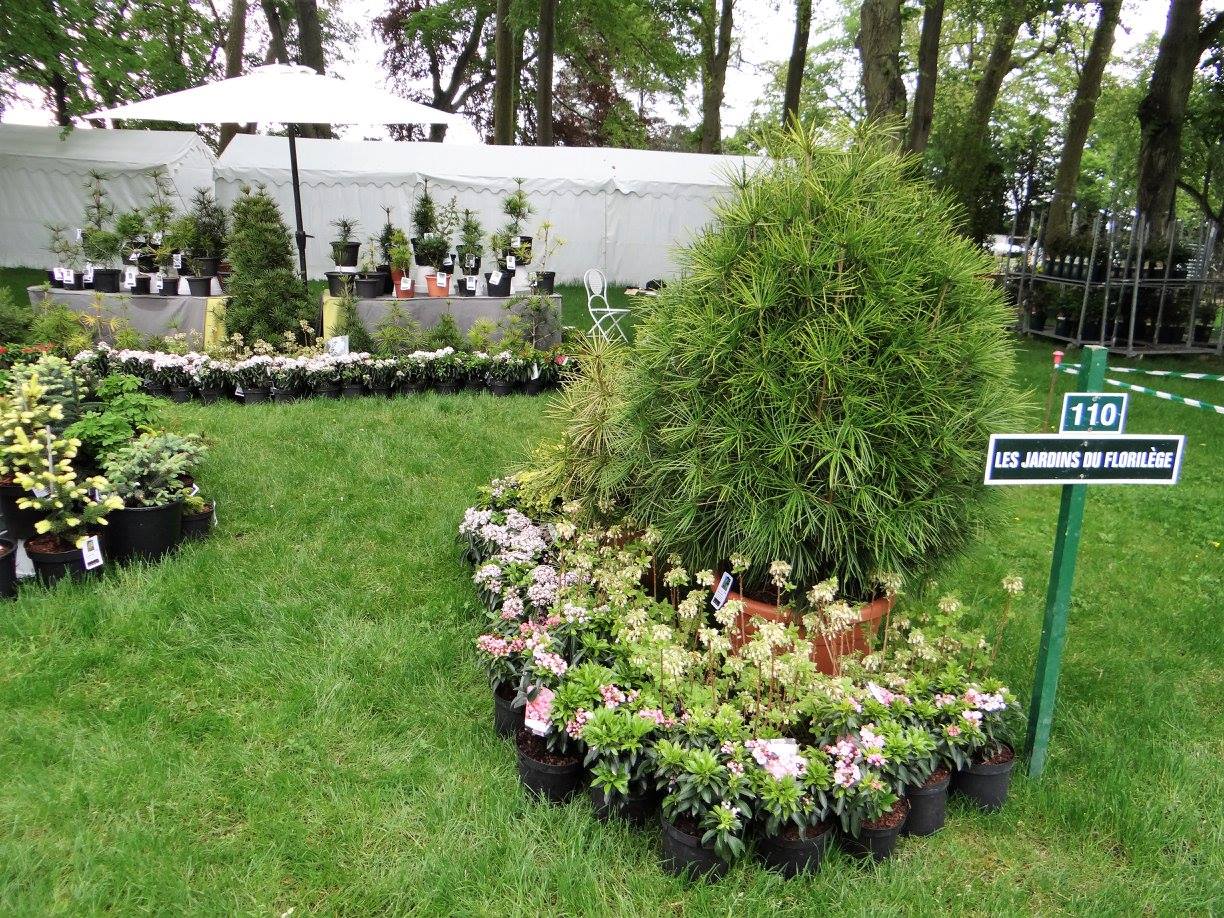
La qualité de notre stand nous rapporte le ruban d'or, trophée distribué à chacun, de l'or au bronze, afin de vanter nos qualités. Tout est pris en compte: la qualité des plantes et l'intérêt des cultivars, la présentation et la justesse de l'étiquettage. Cela fait plusieurs éditions de suite que nous sommes évalués au meilleur niveau et nous en sommes très contents. C'est une belle récompense.

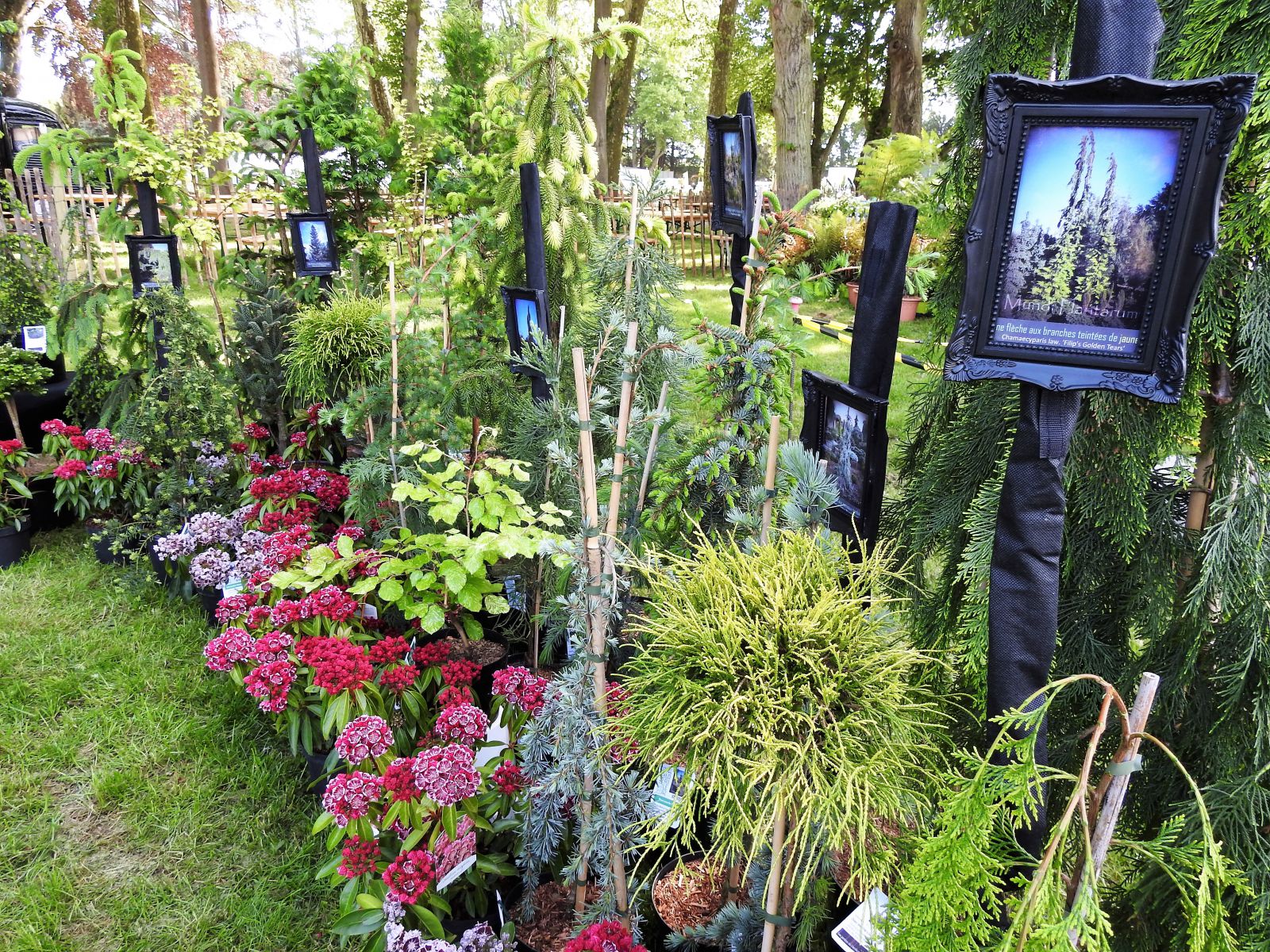


Encore de belles compositions végétales à Chantilly.


Et après les efforts... le réconfort.
Les visiteurs sont rentrés chez eux, les bras chargés de nos merveilles et nous continuons à flâner dans le domaine.


NOS PORTES OUVERTES se déroulent le WE suivant, les 26 et 27 mai.
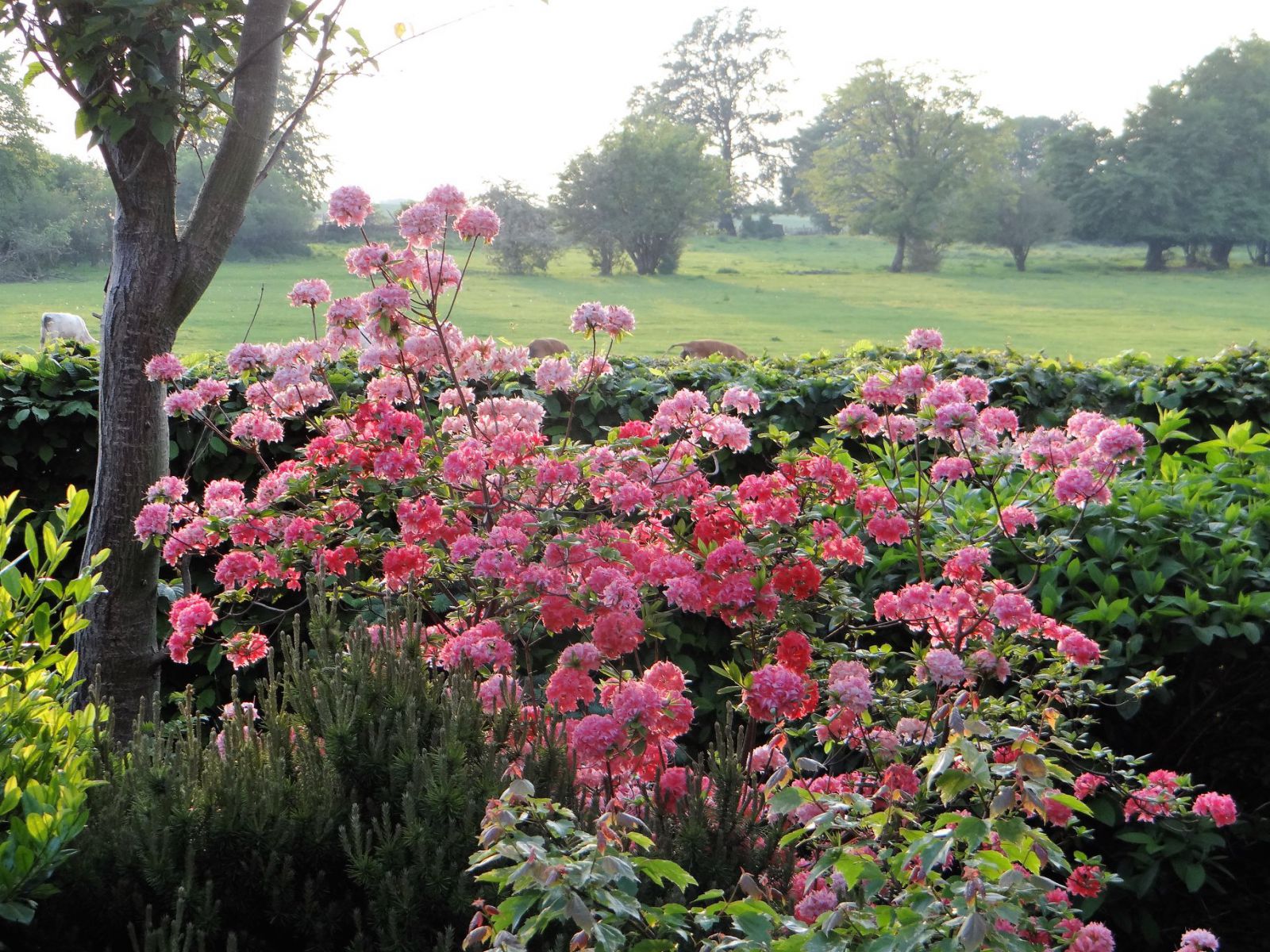


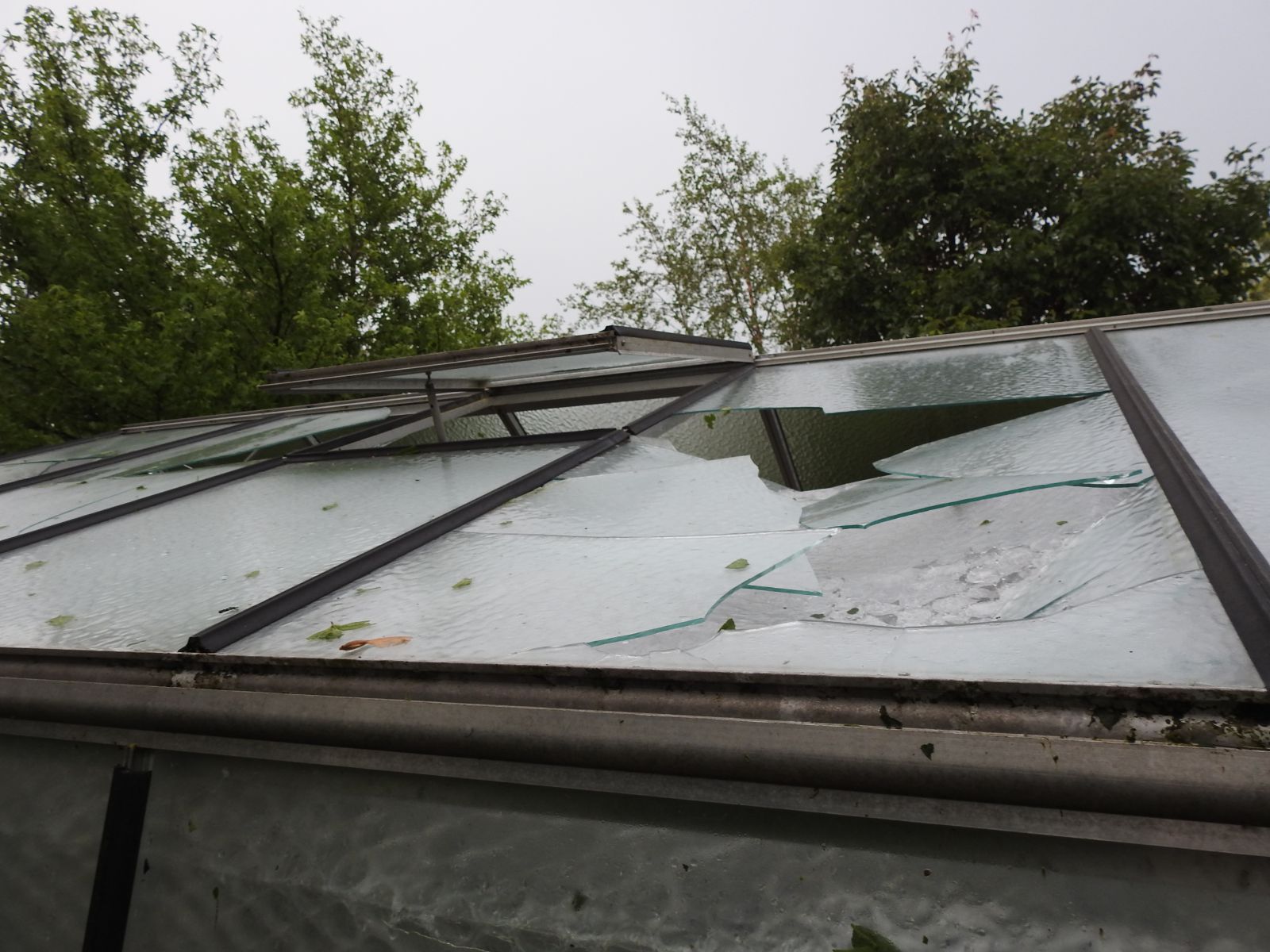
Et puis la grèle, dès le lundi. 20 minutes d'un vent soutenu, alignant, avec méthode, ses jets de billes glacées.
Le jardin est dévasté en un clin d'oeil, mais nous le savons, il redressera la tête.
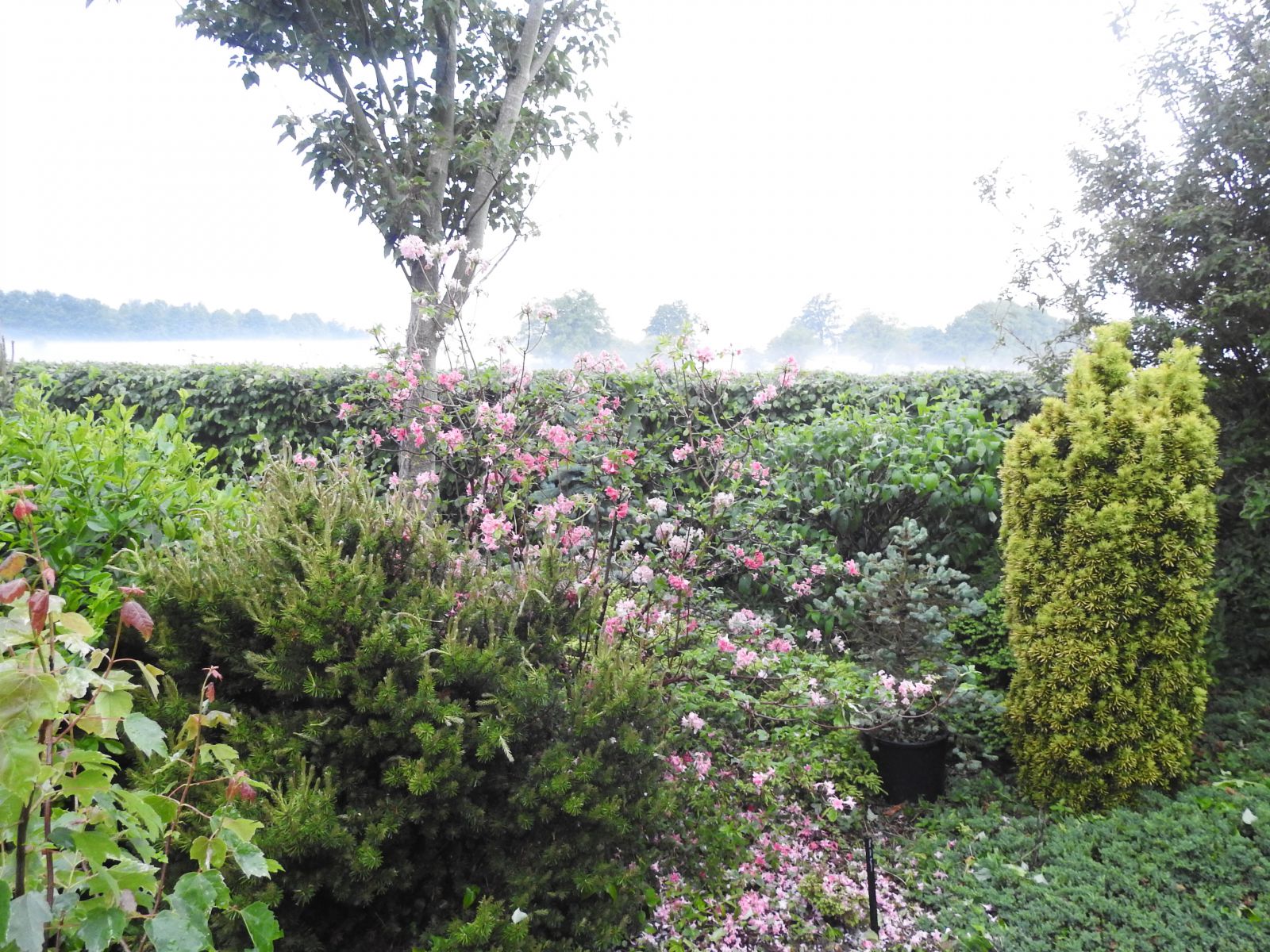


La dernière foire de la saison, une très sympatique journée dans le pays de Liège, au Chateau d'Englebermont, le 3 juin.
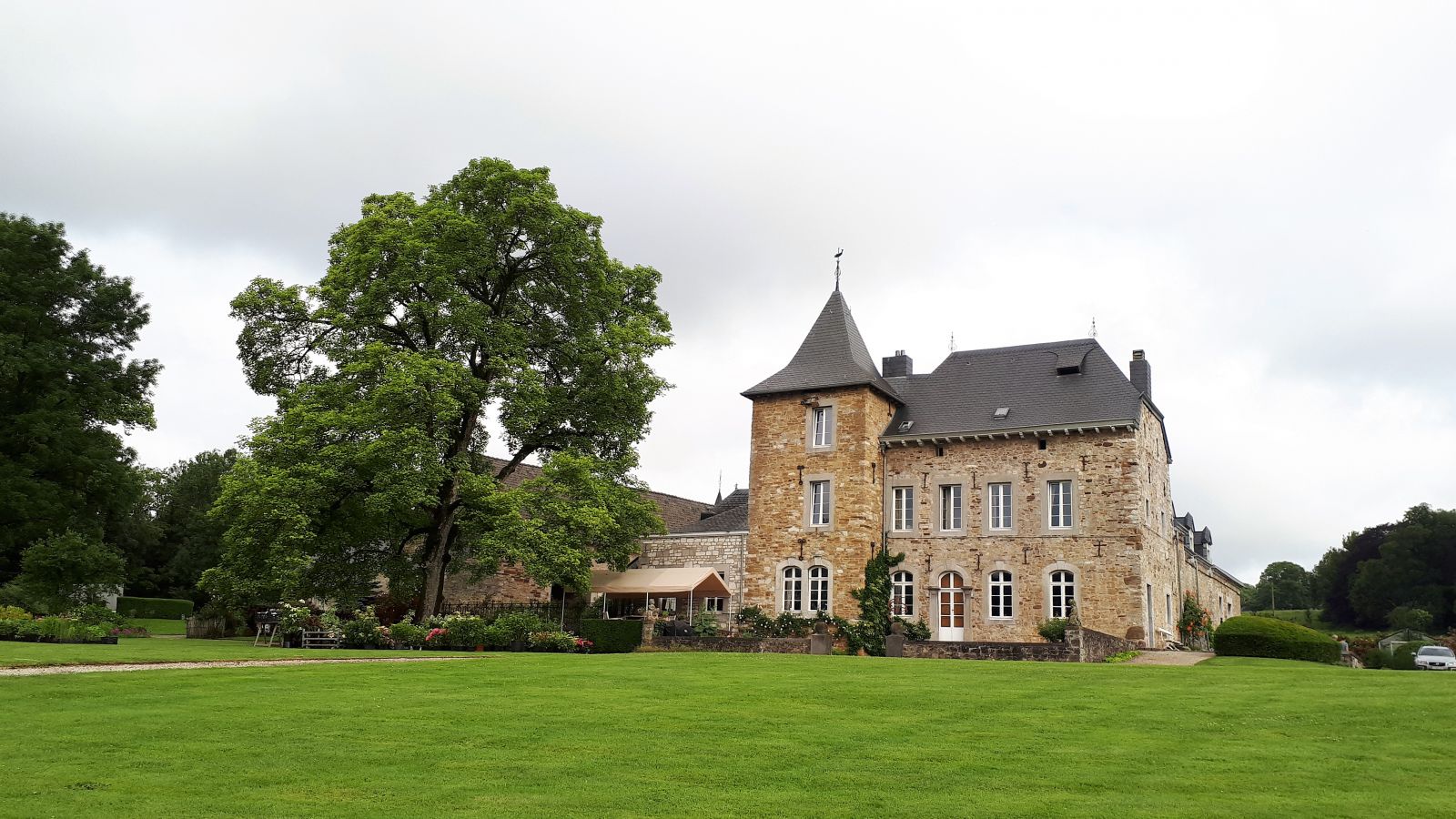
C'est toujours l'occasion de se taquiner les uns et les autres.


Le dimanche 24 juin, une dernière visite de nos jardins, lors du Rallye des jardins ouverts de Belgique en province de Luxembourg.
Nous avons eu l'occasion de vous accueillir une nouvelle fois avec beaucoup de bonheur.


A SUIVRE... la partie 2: l'été et l'automne 2018.


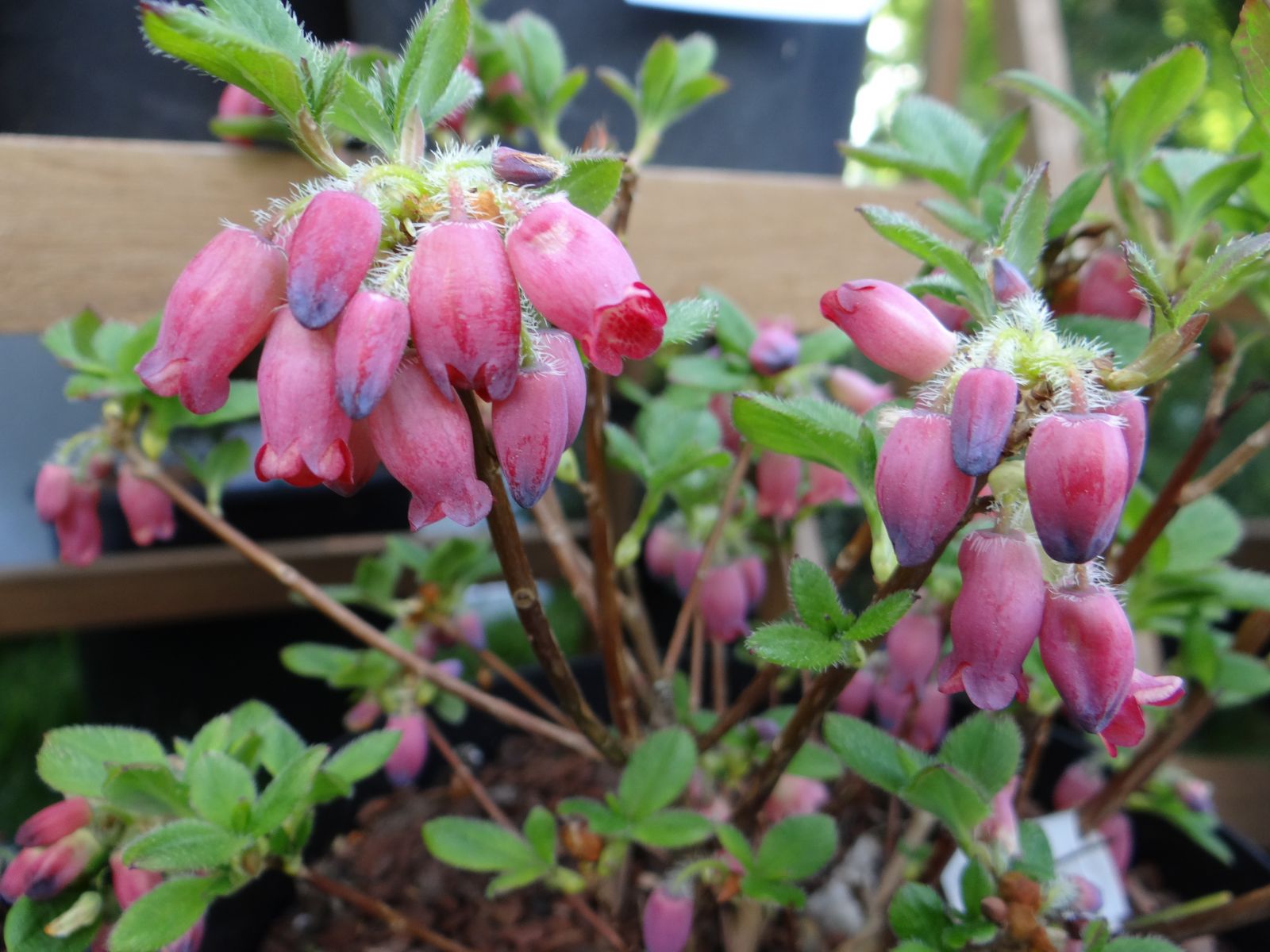
MENZIESIA ciliicalyx or RHODODENDRON multiflorum

A new arrival, straight from Scotland, to the nursery, with a brand new variety!

MENZIESIA ciliicalyx 'Spring morning'

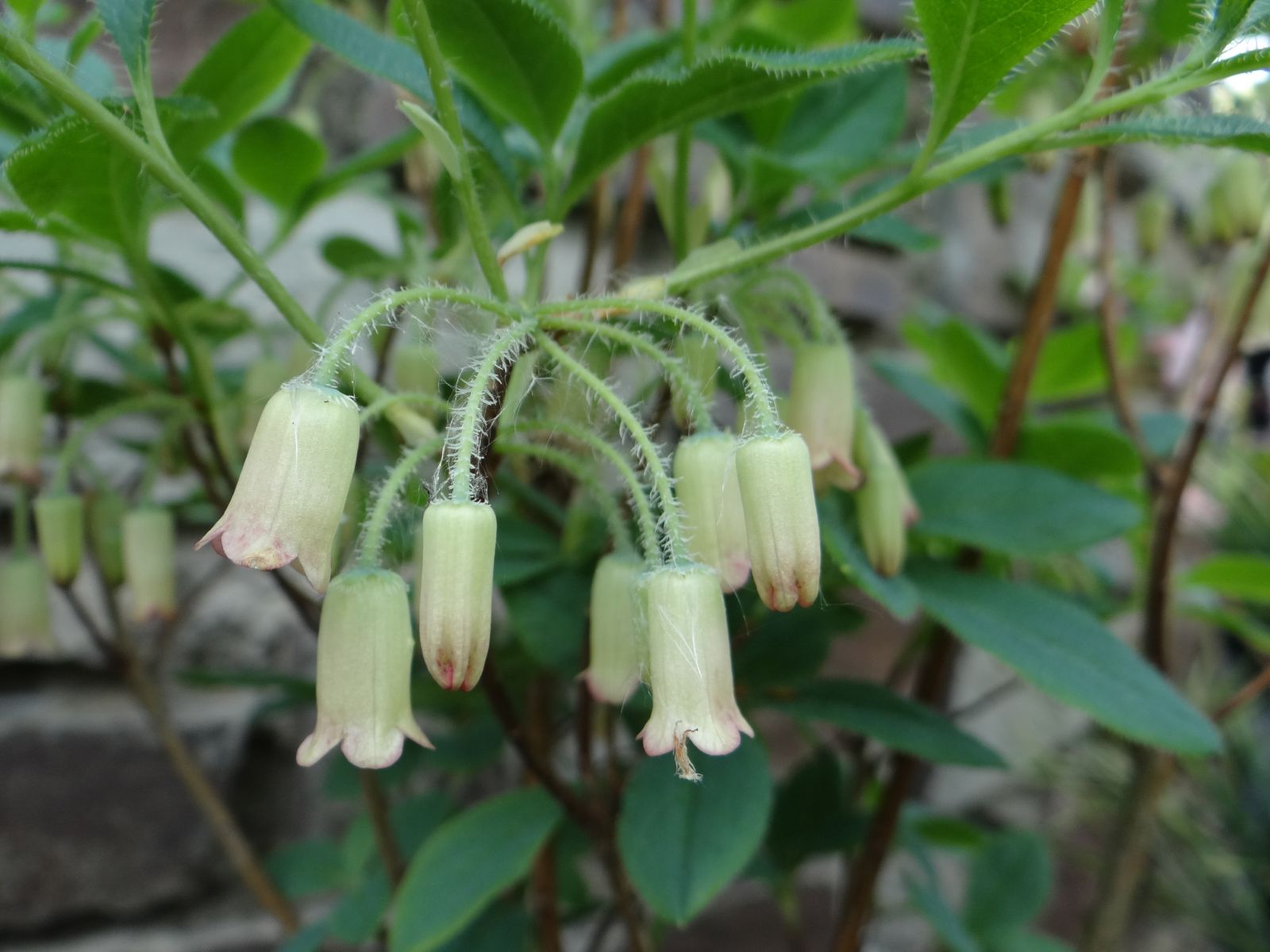
With its hasty flower, this Menziesia offers a new color in the usual salmon pink palette. The bells turn rather yellow with maturity. At the break, they have beautiful bright colors, orange yellow to bright pink, gradient towards the end of the corolla. Its foliage, meanwhile, is close to 'Ylav' variety, bright green in summer, then hot orange-red in autumn.
Even if the Menziesia has been reclassified into Rhododendron multiflorum, for some years already; many horticulturists have retained their designation of origin. It is true that its flower will be more like Enkiantus, or even Pieris; finally only its genetics can definitively integrate it to the great family of Rhododendrons. Flowering occurs in May and lasts a few weeks. Its foliage is light and systematically proposes a very beautiful autumn colors, ranging from yellow to bright red. A heathland plant, it needs acidic, rich, moist soil, but still relatively drained. In the shade or half shade, It behaves like a small bush very light, with fine ventilated branches. It will also stand sunny position, even if its overall appearance will be less attractive. Its growth is voluntary, but it will not exceed 80 to 100cm high for a width a little more generous, 1.2 to 1.5m.

Other varieties are also available now, in limited quantities:

MENZIESIA ciliicalyx 'Ylva'

MENZIESIA ciliicalyx 'Honshu Blue'

MENZIESIA ciliicalyx 'Plum Drups'

MENZIESIA ciliicalyx 'Shepherds Delight'

MENZIESIA ciliicalyx 'Pink Icicles'


MENZIESIA ciliicalyx ou RHODODENDRON multiflorum

Un nouvel arrivage, tout droit d'Ecosse, à la pépinière, avec une toute nouvelle variété !

MENZIESIA ciliicalyx 'Spring morning'

Avec sa fleur hative, ce Menziesia propose une nouvelle couleur dans la palette rose saumonée habituelle. Les clochettes virent plutôt au jaune avec la maturité. Au débourrage, elles arborent de belles couleurs vives, jaune orangé à rose vif, en dégradé vers l'extrémité de la corolle. Son feuillage, quant à lui, est proche de celui de la variété 'Ylva', vert vif en été, puis rouge orangé, flamboyant en automne.

Même si le Menziesia a été reclassé en Rhododendron multiflorum, depuis quelques années, déjà; bon nombre d'horticulteurs ont conservé son appellation d'origine. Il est vrai que sa fleur fera plutôt penser à celle d'un Enkiantus, ou même encore d'un Pieris; finalement seule sa génétique peut l'intégrer définitivement à la grande famille des Rhododendrons. La floraison apparait en mai et dure quelques semaines. Son feuillage est caduque et propose systématiquement une très belles couleurs d'automne, variant du jaune au rouge vif. Plante de terre de bruyère, il effectionne les terres acidulées, riches, humides, mais malgré tout relativement drainée. A l'ombre ou à mi ombre, Il se comporte comme un petit buisson très légers, aux rameaux fins et aérés. Il se plaira également en plein soleil, même si son aspect général y sera moins attrayant. Sa croissance est volontaire, voire très poussive, mais il ne dépassera pas 80 à 100cm de haut pour une largeur un peu plus généreuse, 1,2 à 1,5m. 

D'autres variétés sont également disponibles dès à présent, en quantités limitées:

MENZIESIA ciliicalyx 'Ylva'

MENZIESIA ciliicalyx 'Honshu Blue'

MENZIESIA ciliicalyx 'Plum Drups'

MENZIESIA ciliicalyx 'Shepherds Delight'

MENZIESIA ciliicalyx 'Pink Icicles'


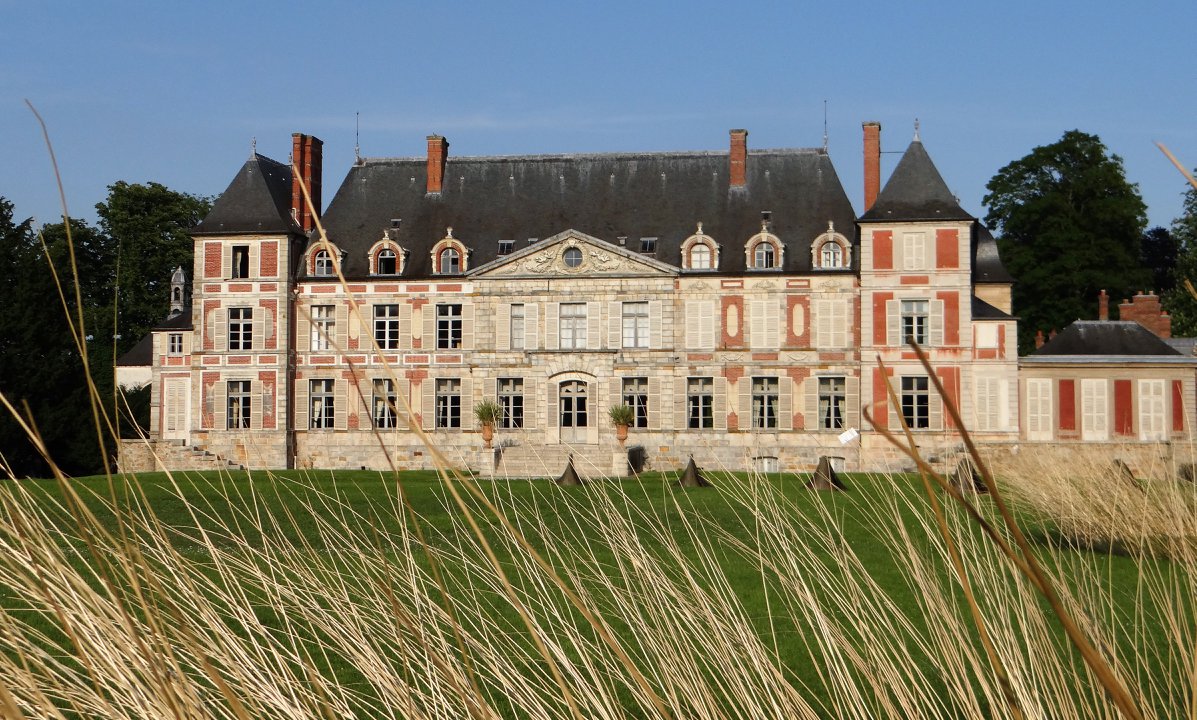
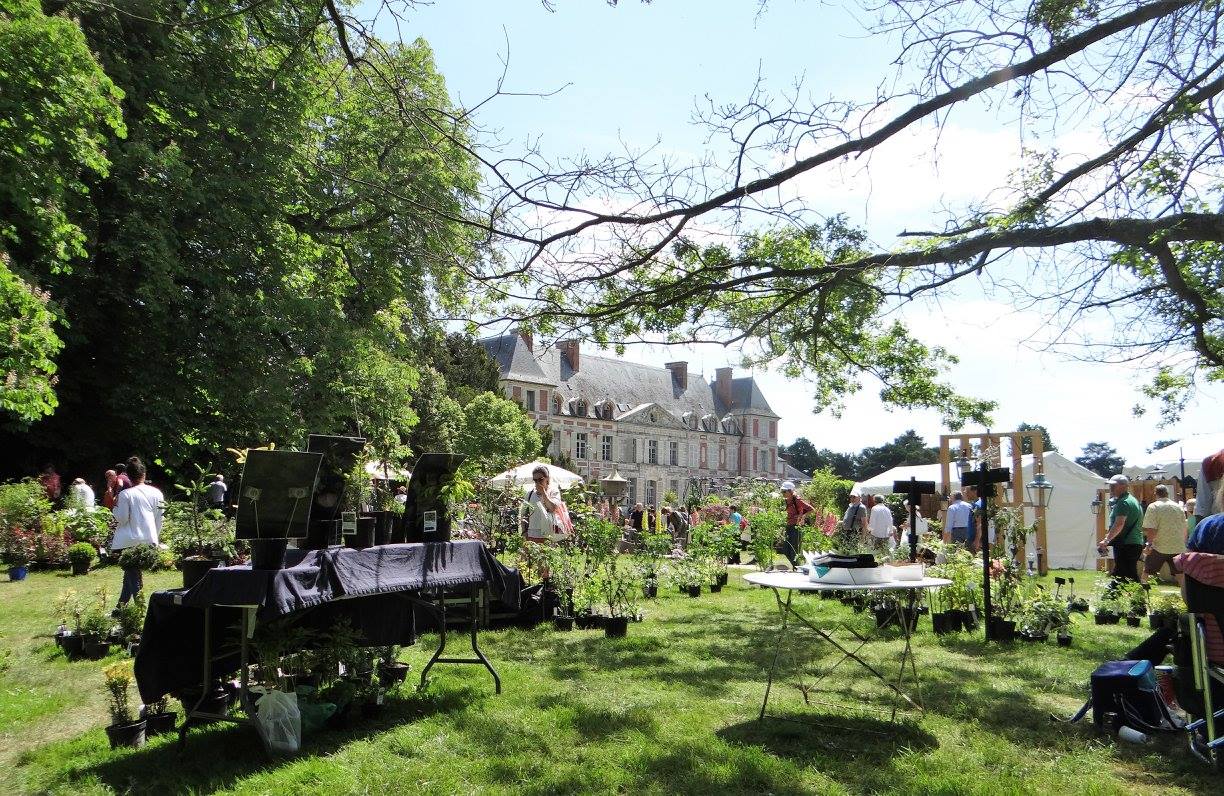
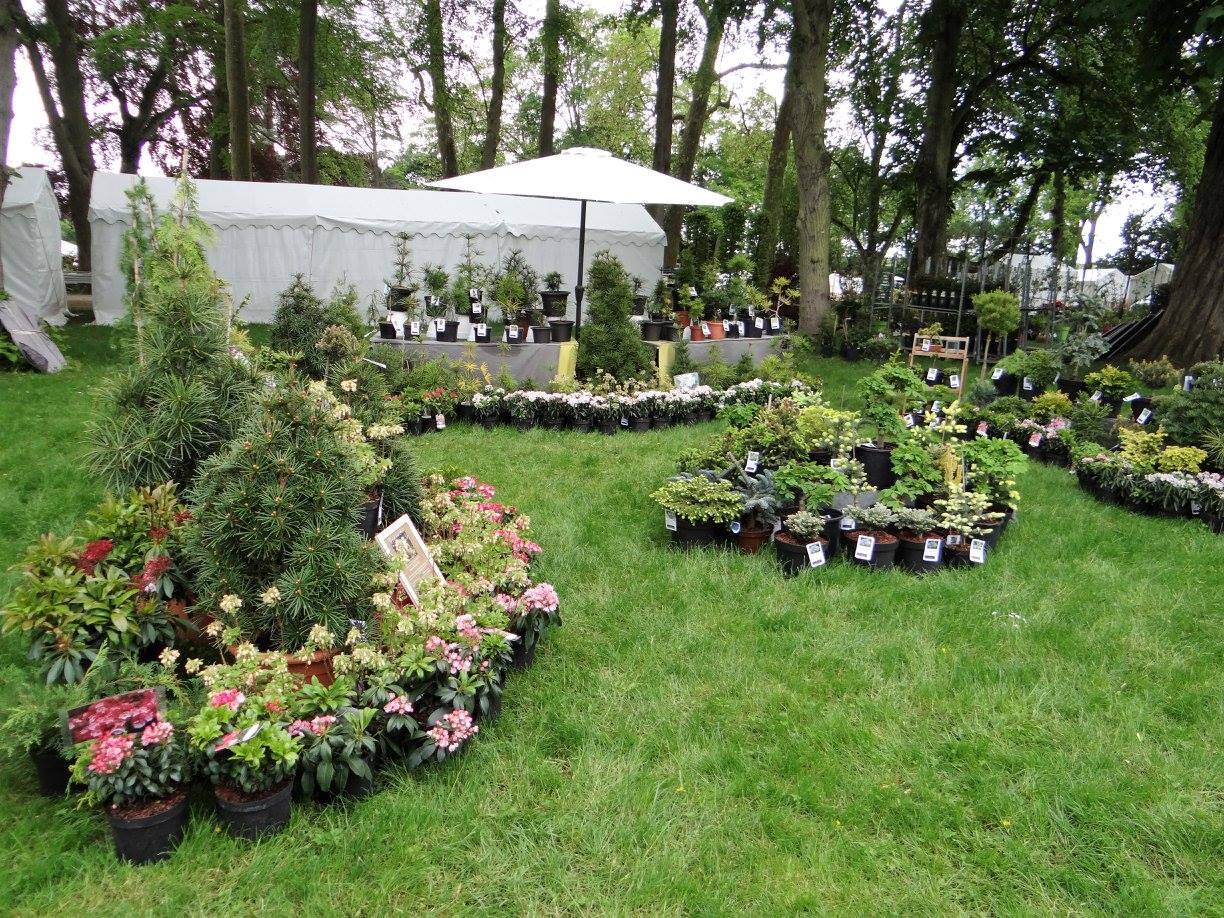
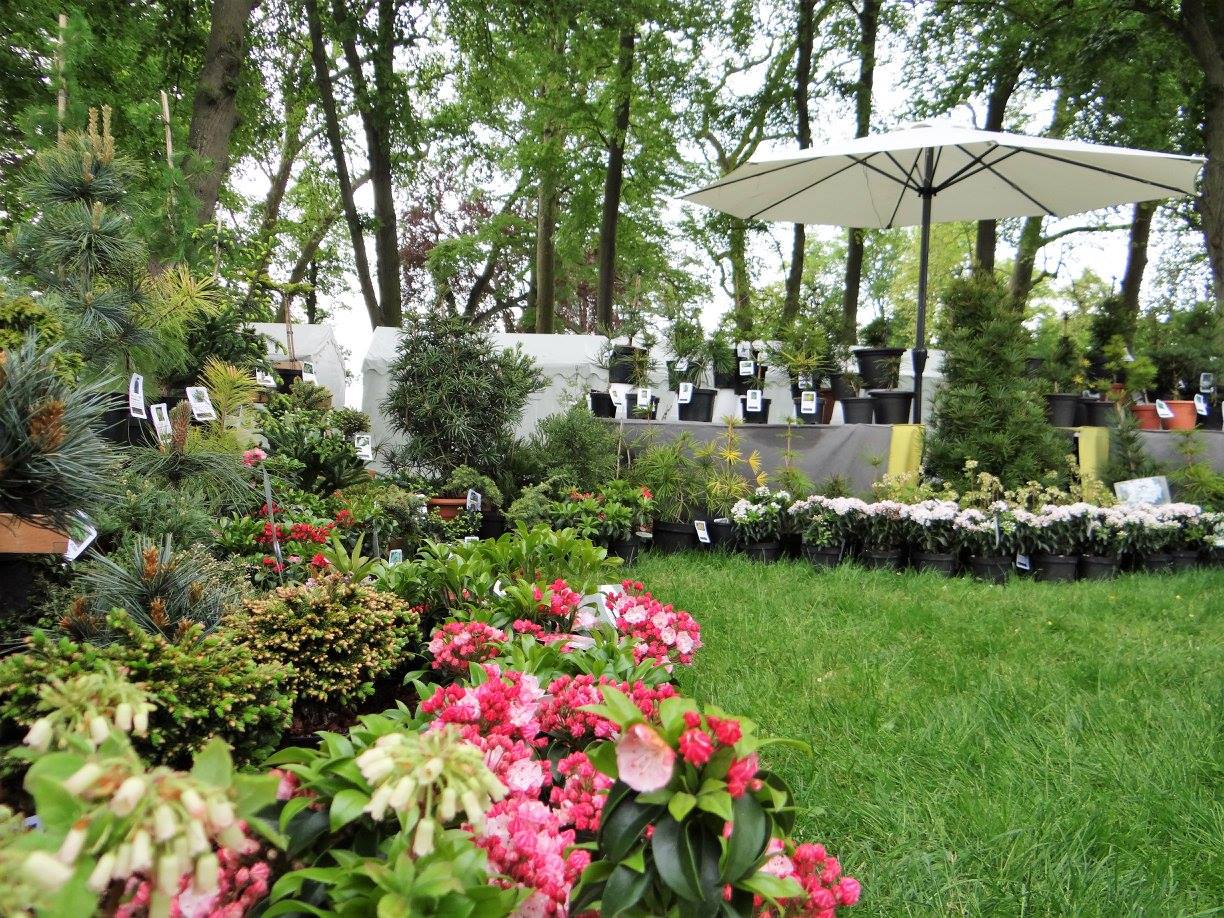
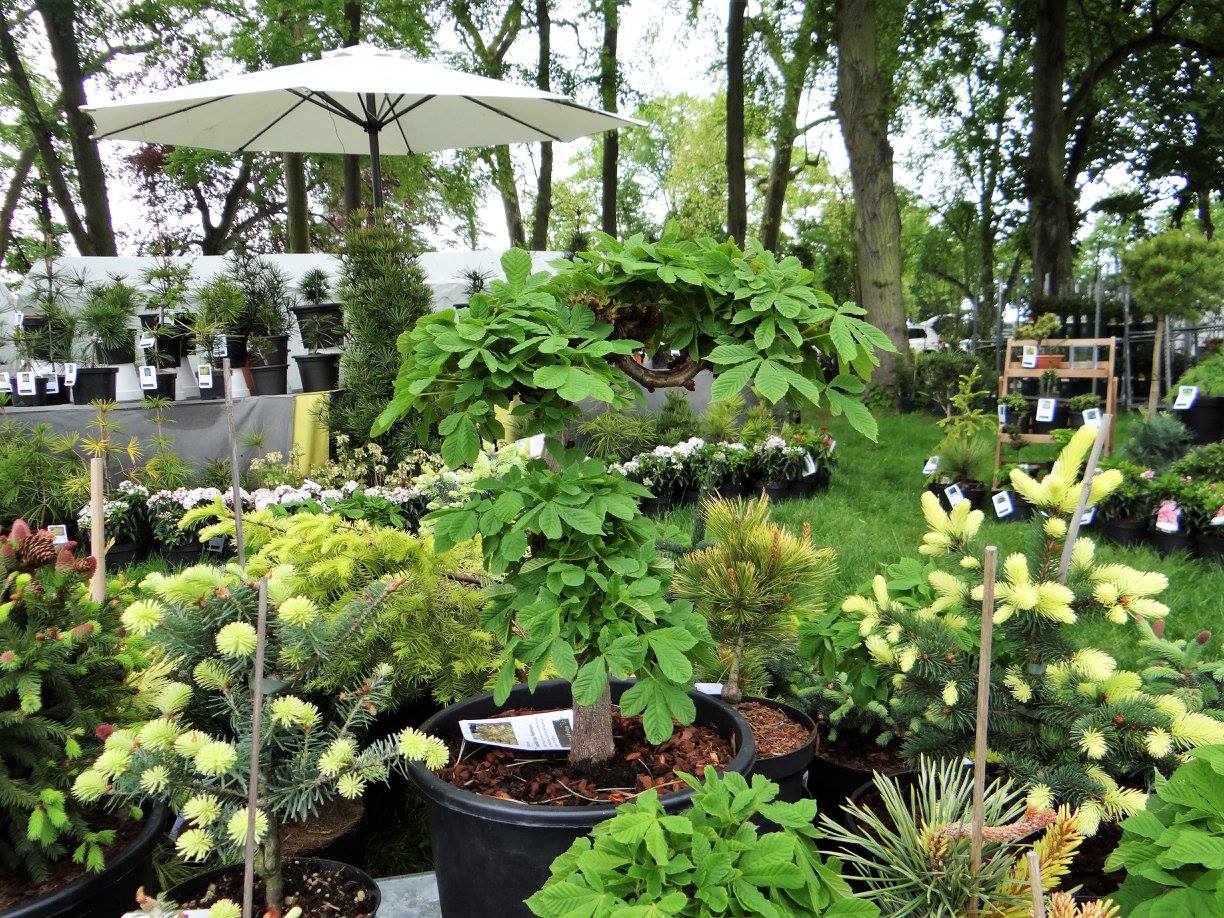
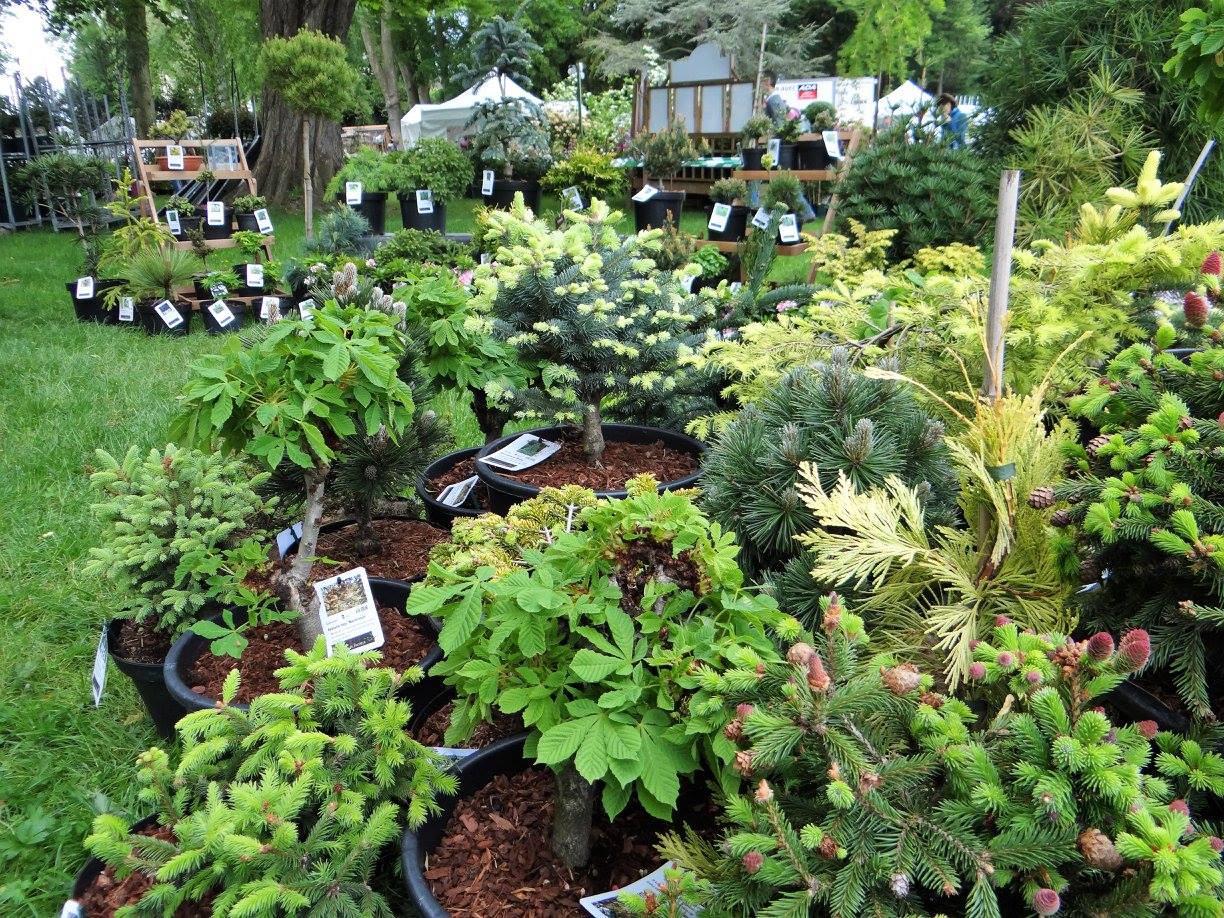
Are you still hesitating to visit us at this fabulous plant festival, in a sumptuous setting?
Here's what can decide you without a doubt.

A retrospective on our history in Chantilly.

But the story does not begin there, in 2014, with the latest editions of the Courson Plant Show.


Courson Plant Show - Spring 2014

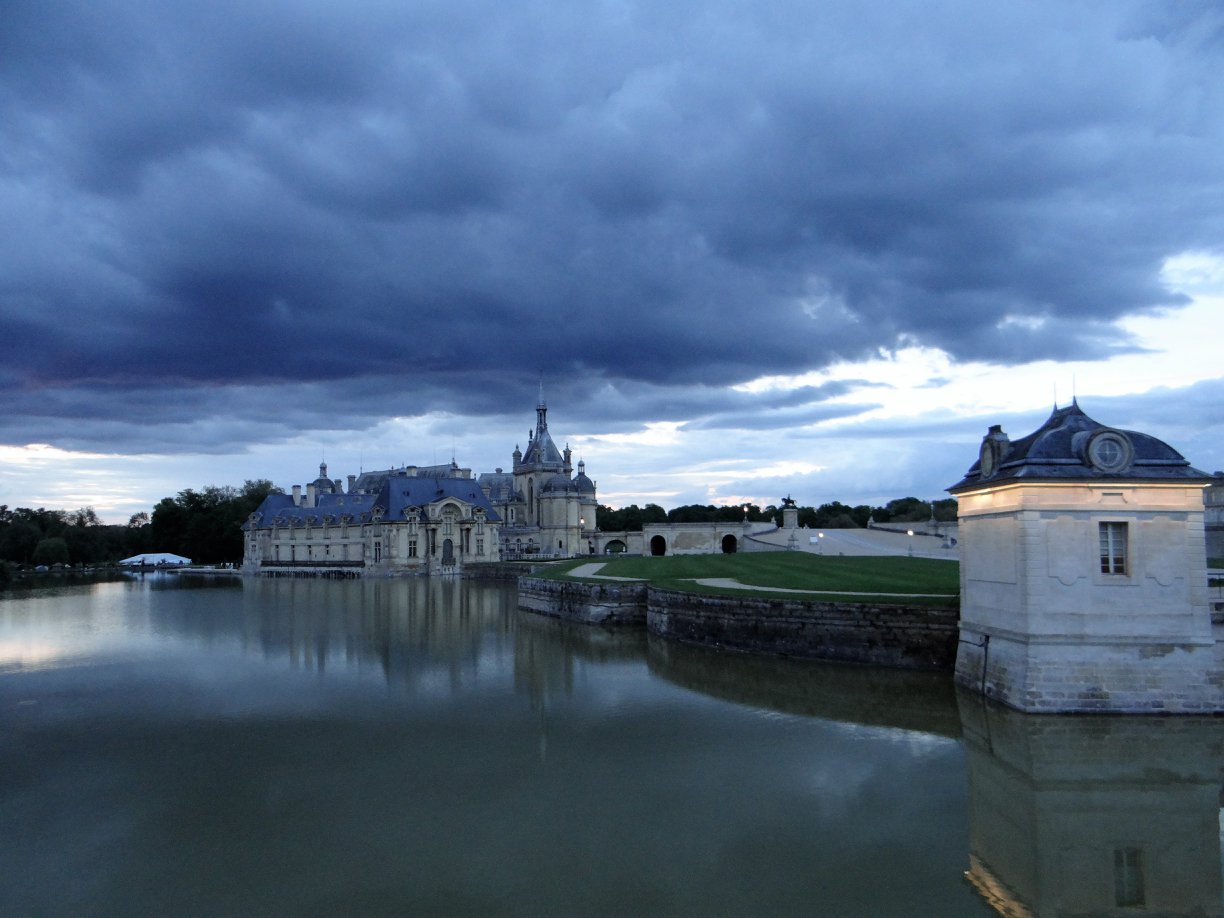
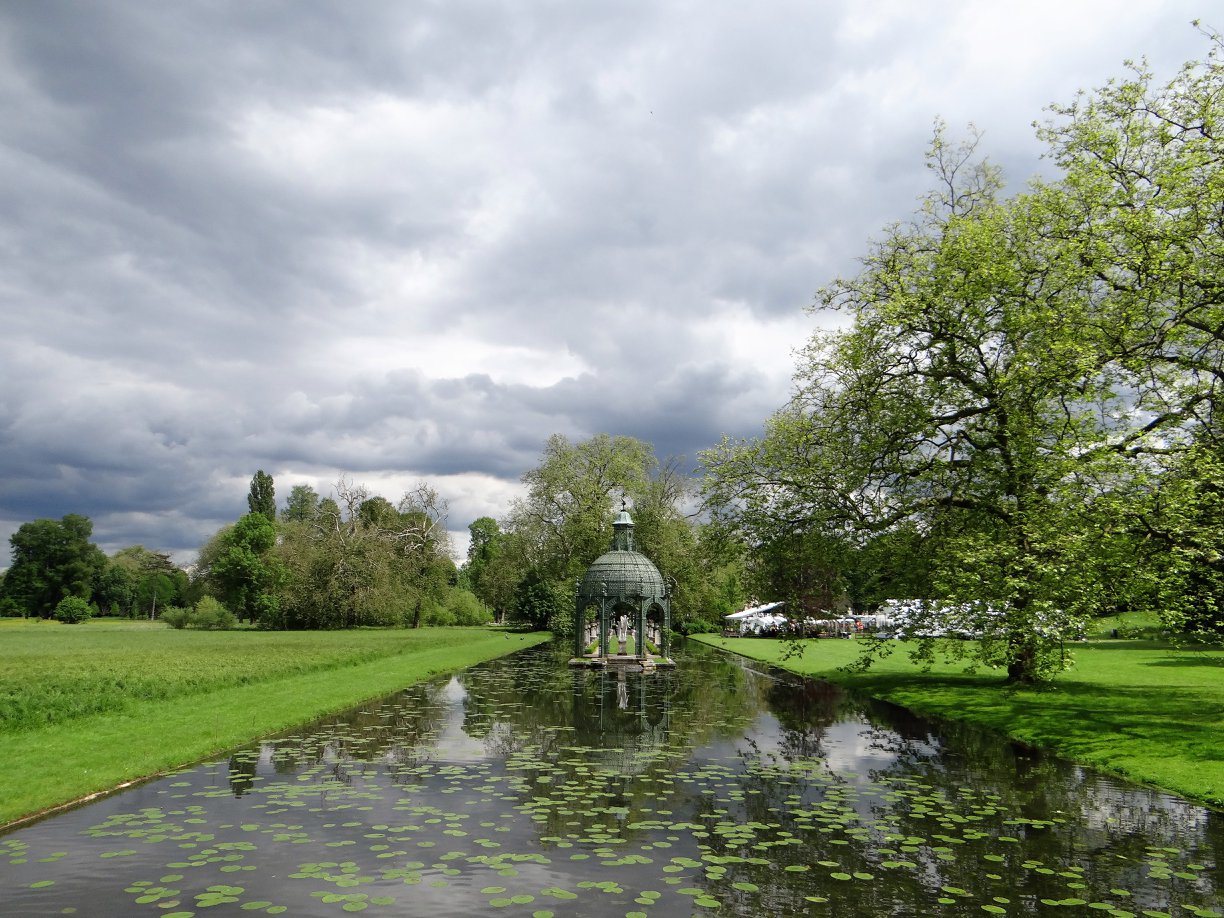
We have the chance to sit behind the castle, not far from the canal, in the shade of trees, which is not luxury for this WE flooded with a promising sun.
We are pleased. We have a lot of space compared to the nurserymen placed in the squares next to the castle.

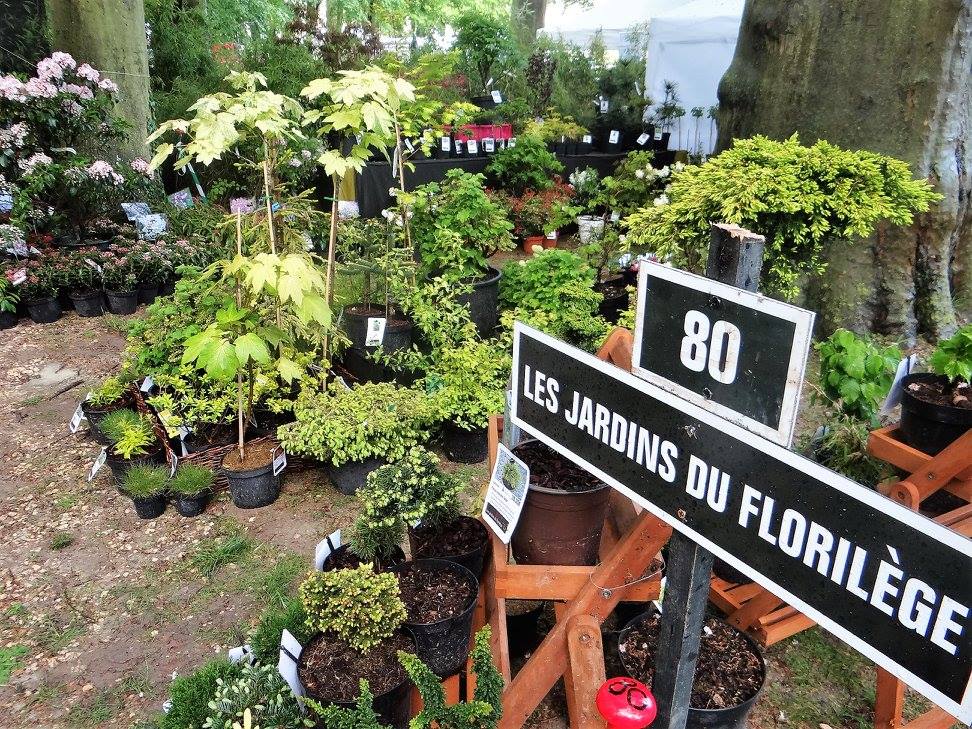
We try to highlight our plants and make ourselves known.
In particular, we offer didactic leaflets explaining the appearance of horticultural and botanical varieties of conifer: mutation, alteration, hybridization and witches' brooms.

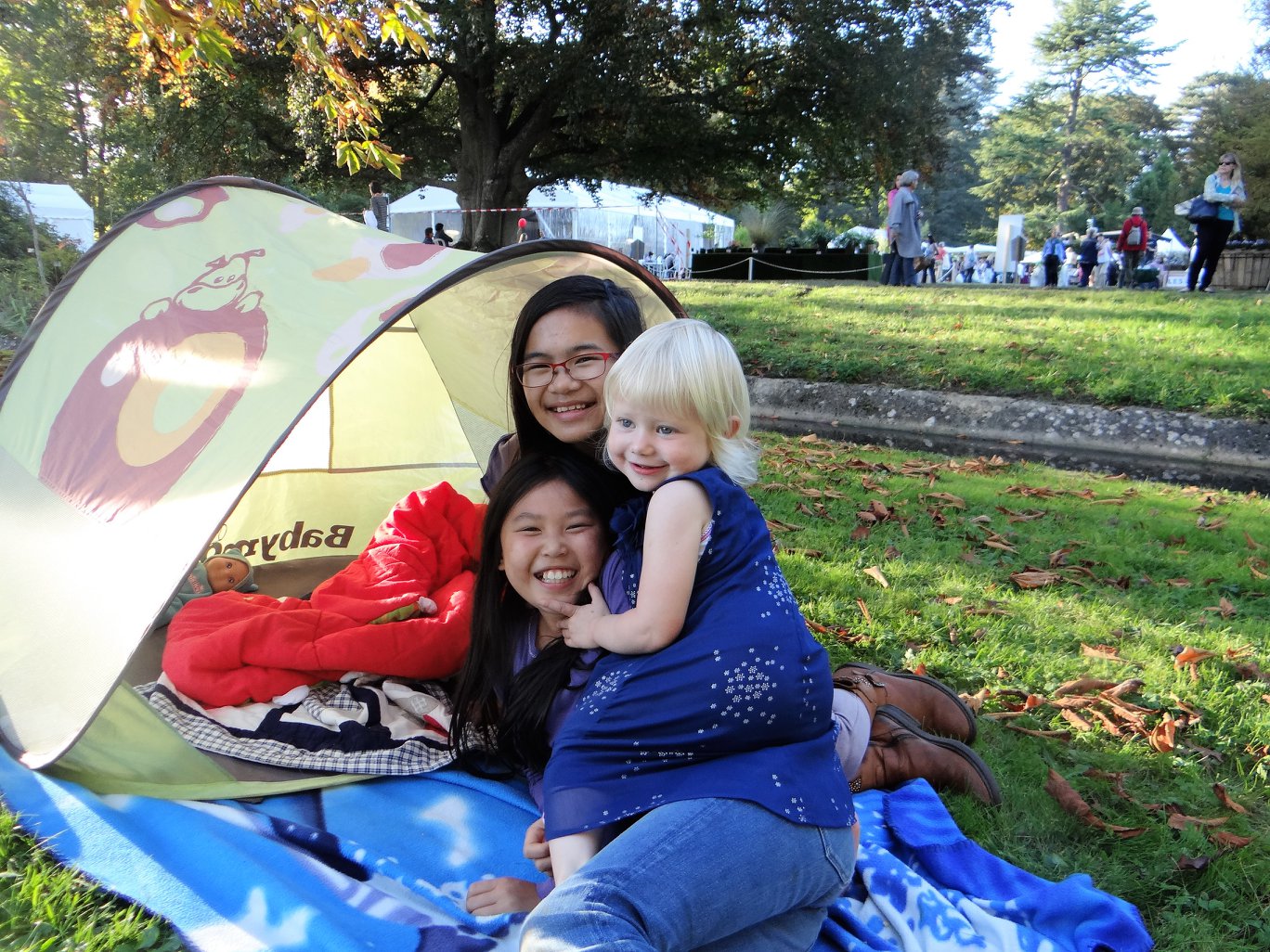
Ness became the pride of the plant fairs and the confidante of all the nurserymen. The large landscaped areas of the domain have no secrets for her.


Courson plant Show - Autumn 2014

It is with a real pleasure that we find the wonderful castle of Courson in the fall.
We learn, as well as all, the secret so well kept by the spouses Fustiers: This edition will be the last edition in Courson.
The prestigious torch is transmitted, not without emotion, to the Domain of Chantilly.


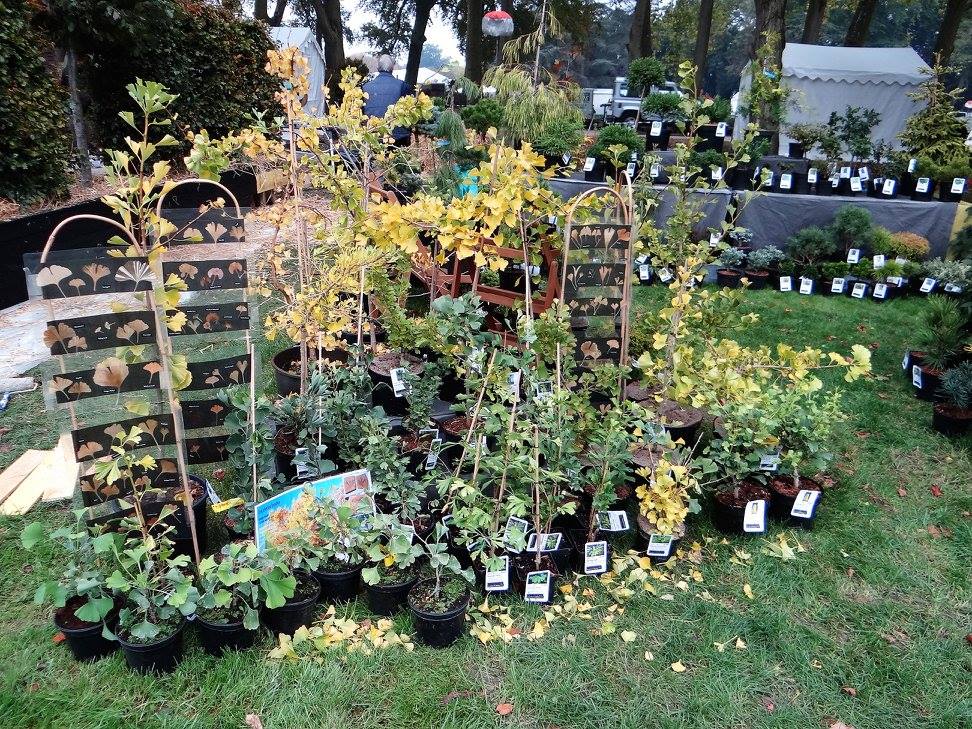
We focus on fall colors and bring a fragment of our Ginkgo biloba collection.
In Bastogne, we have a collection of more than 140 cultivars, which get lost in the meanders of our gardens.
At Courson, we present about thirty potted and more than 100 in the form of a herbarium.

Ness meets with joy, her friends of the plant festivals of the '2 caps' nursery.

Couson Plant Show in Chantilly - Spring 2015

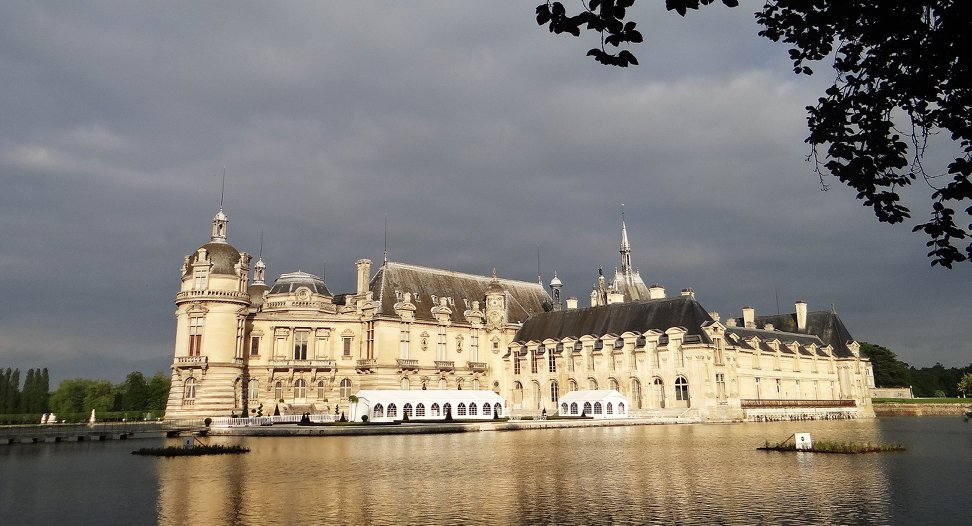
We discover with a lot of humility The Domain of Chantilly. A page turns, a new story begins.


For the first time, we offer Kalmias, plants that we cherish and do not meet often.
We bring a remarkable subject, raised in Belgium. It is all the rage.


Couson Plant Show in Chantilly - Autumn 2015

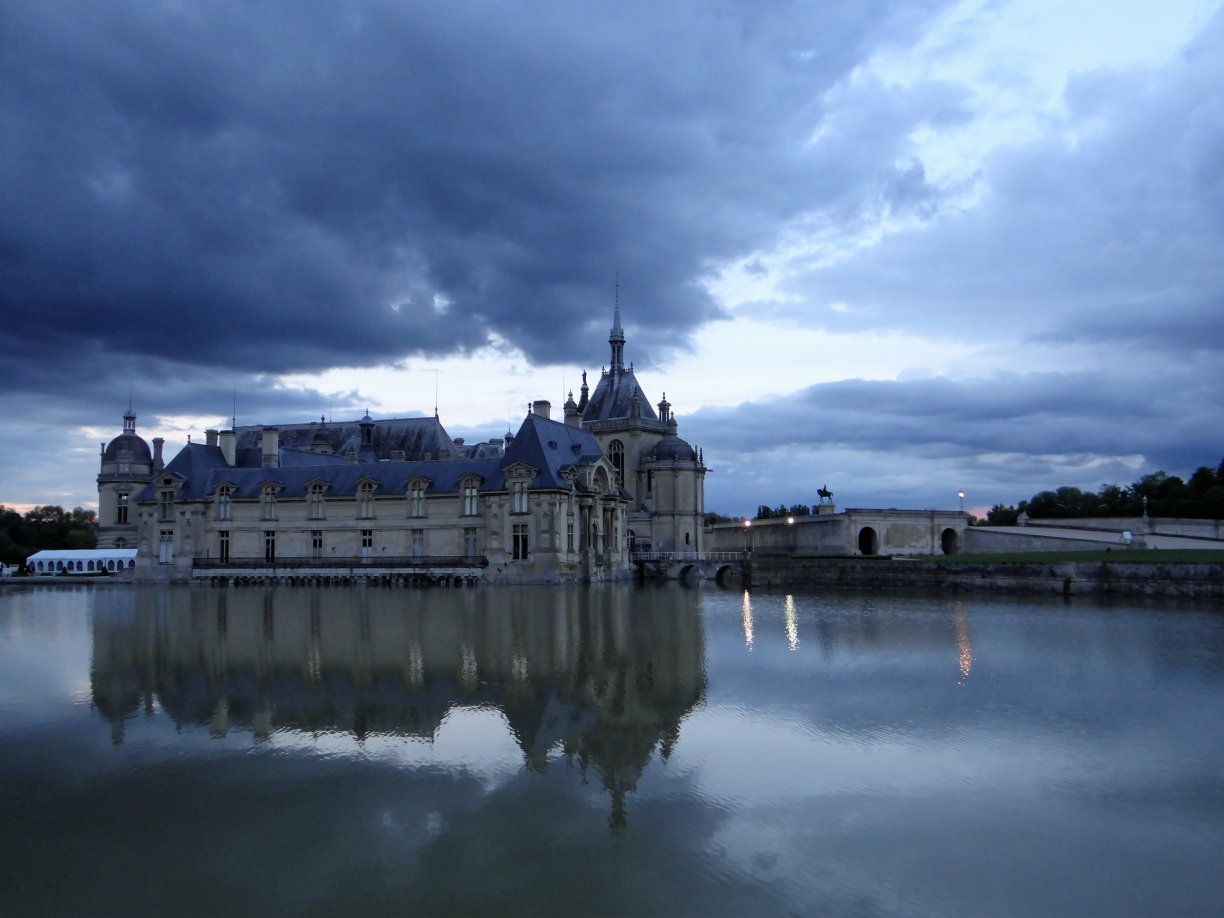
The liquidambars are honored and line the moat of the castle. They replace the Cornus Venus of spring.


This fall, we focus on three single-species conifers coming straight from prehistory (In Chantilly, we were talking about transmission): Ginkgo biloba, Sciadopitys verticillata and Wollemia nobilis.
Our selection: the Gingko biloba 'BZN', a Dutch win, passes on the 5th french Channel.


Chantilly plant Show - Spring 2016

The transition is made. The public has adopted Chantilly.


Chantilly Plant Show - Autumn 2016


This season, we decided to put the package and present our choices of plants in masses, plenty of colors.
We get our first gold ribbon. They were Silver so far.


We are very pleased to meet Peter Schrauwen and his wife from Sprundel in the Netherlands.
Breeder including Chamaecyparis lawsoniana Kaatje (named after one of his little girls) or Metasequoia gigantea 'Pete's Weeping'.


Chantilly Plant Show - Spring 2017

Under a threatening sky, the new edition of the Plant Days promises to be remarkable and impressive.


For the third consecutive year, we present our Kalmias, which are gaining more and more success; as well as our collection of Sciadopitys.
For the occasion, we bring back from Germany some 8 remarkable subjects which will arouse a real interest.


The theme of the edition is 'Exuberant plants'.
We approach it with coniferous flowers, such as the pink cones of Picea abies 'Push', but also the bright colors of the new shoots of certain conifers.


This will be our only edition in 2017.
We are involved in the realization of our new online sales site, as well as the first drafts of Mundi Plantarum, our online encyclopedia. This is not an easy task !

But here we are again in 2018, for a spring edition, which we promise to be exceptional. So soon, on the Chantilly's green.


An exciting encounter with Cédric POLLET!

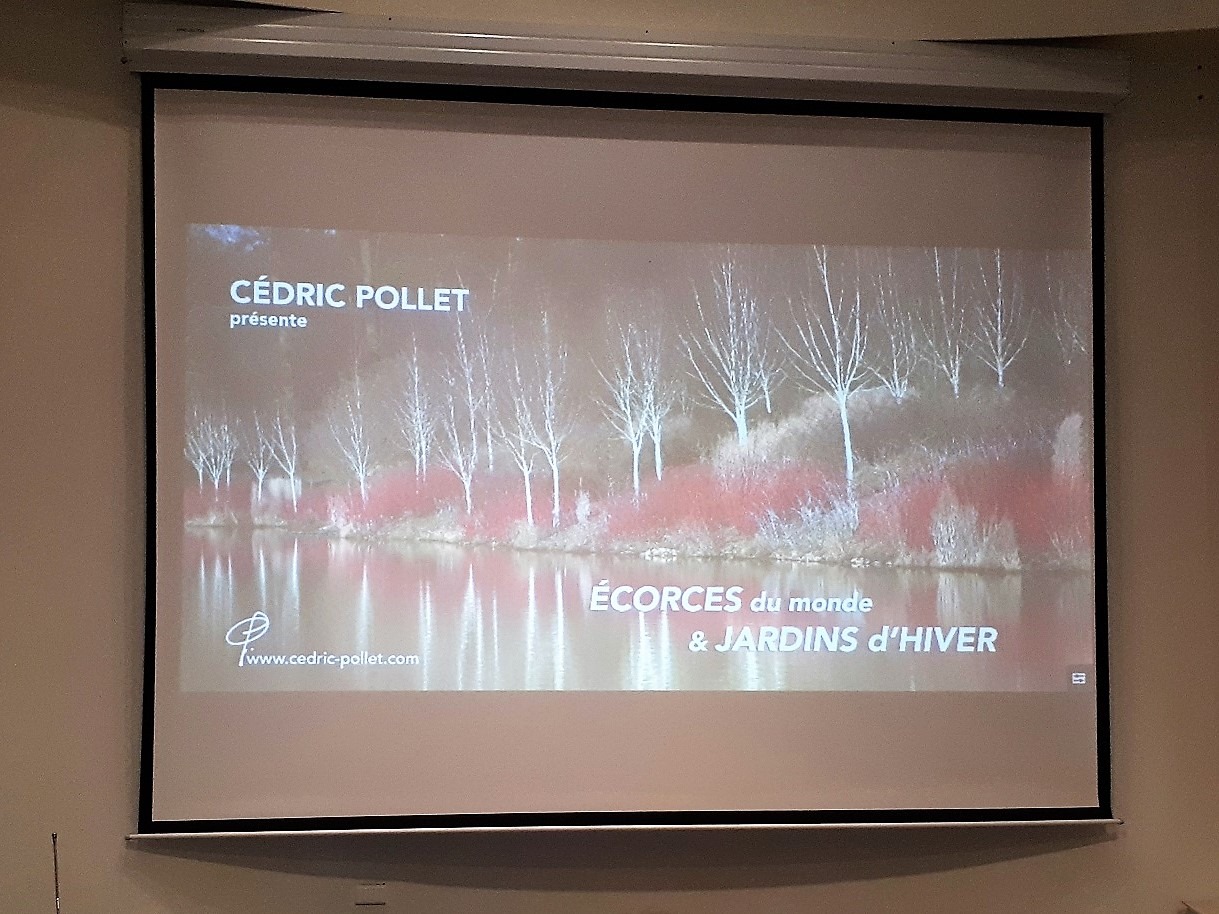
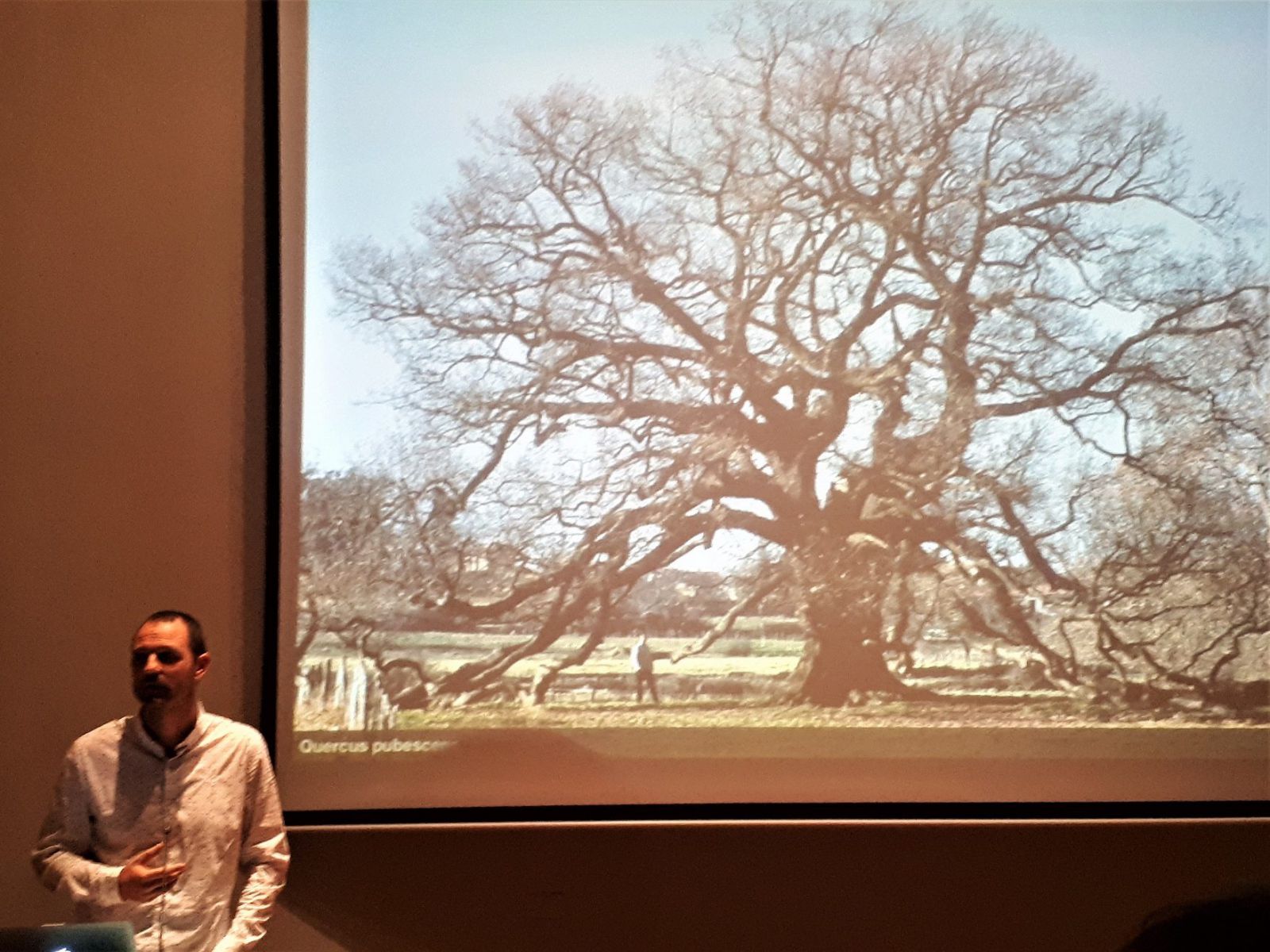
Friday, November 9, the association "Le sécateur" had organized a magnificent conference at the Botanical Garden of Liège. A perfect organization, a conference where we feasted and where we found some of our colleagues nurseries Hennebelle, Ventval and Bonnivers and also many known heads, which we meet regularly in gardens and plant fairs.

Cedric told us about his story, his meeting with the world of bark, this old oak tree that showed him his way and which he has yet no photo (on the photo of the conference, it is about 'another oak). Twice the dandruff has gone astray.

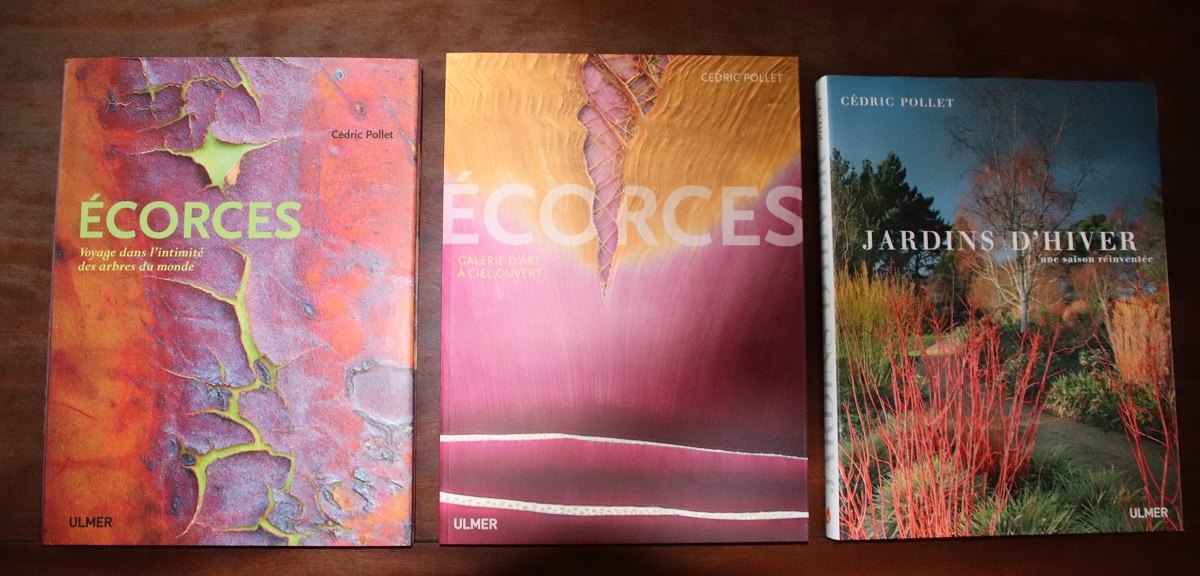
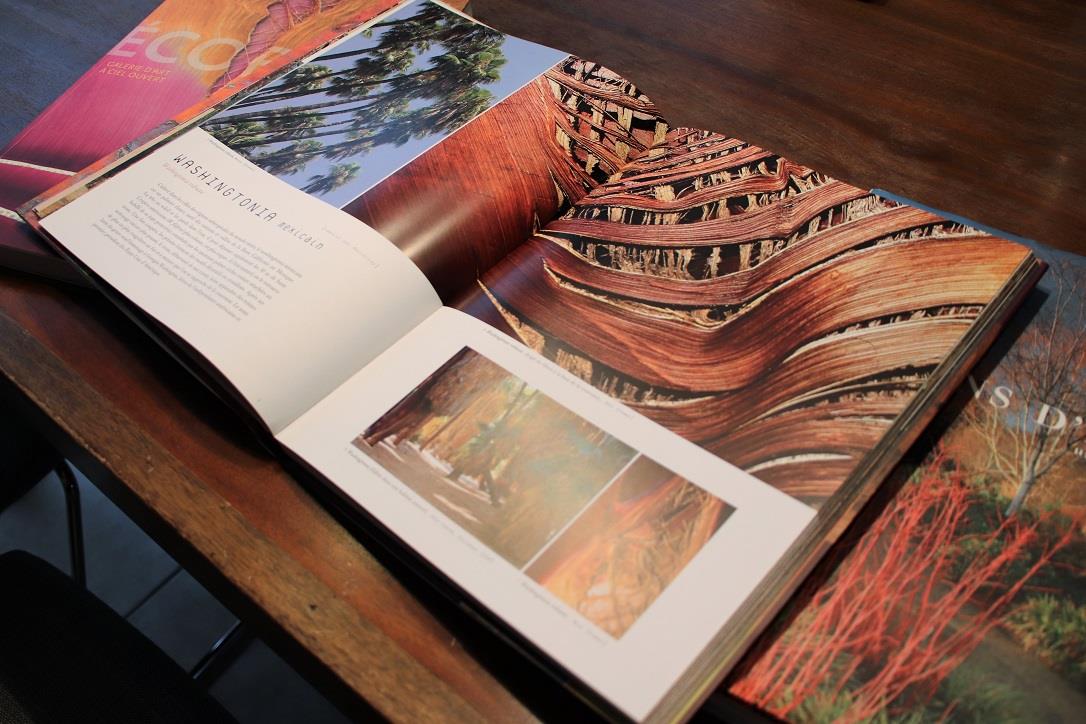
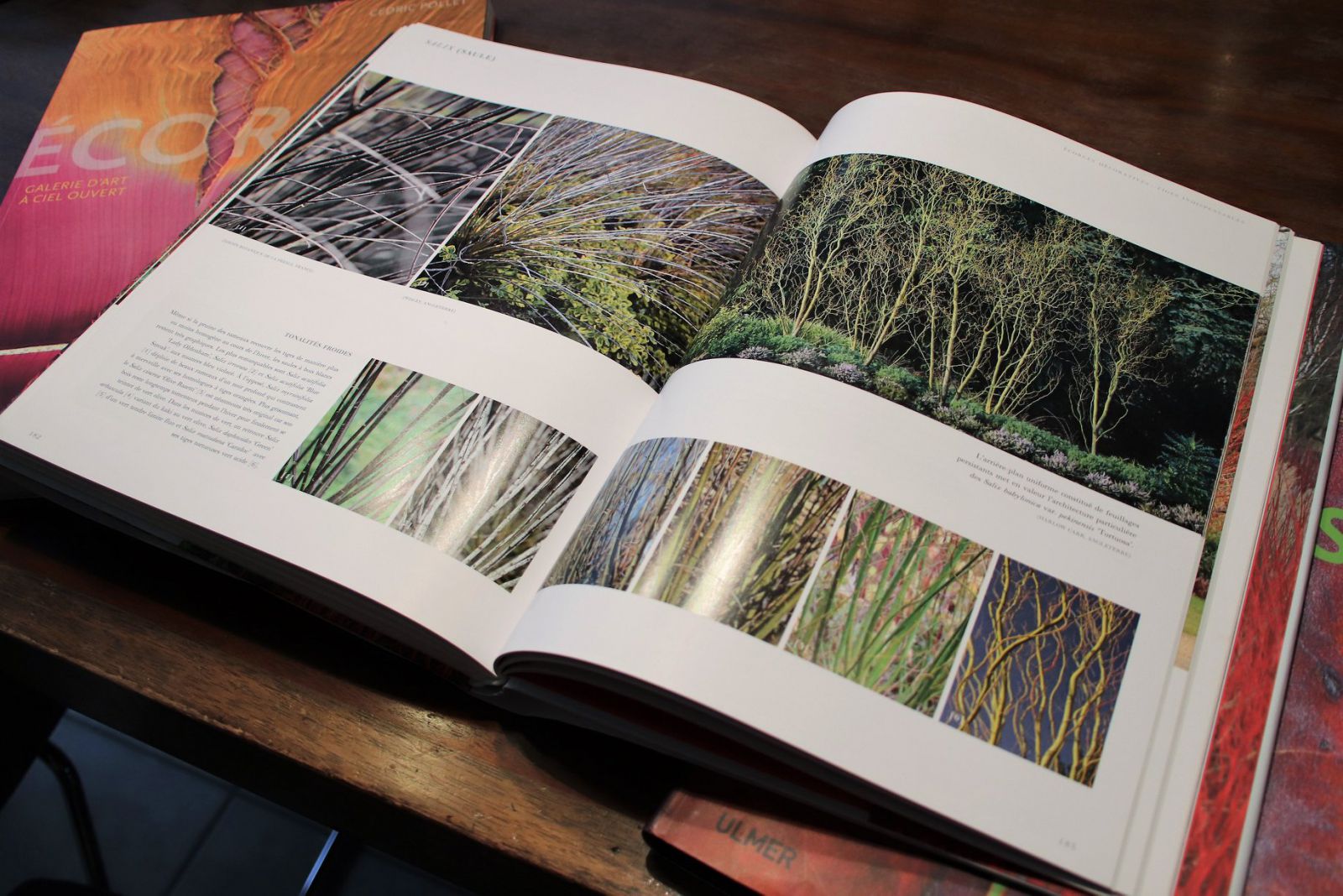
He made us travel through his three books, sublime.

The first, « ECORCES, voyage dans l’intimité des arbres et des arbustes » is always available from Editions Ulmer and in all good bookstores. He makes us discover the plant world by its bark, reveals the subtleties of colors over the seasons and continents. It reveals all the secrets of beautiful bark.

The second, meanwhile, is exhausted. There are only a few copies left at Cédric and you can still get it on his website:

https://www.cedric-pollet.com

« ECORCES, Galerie d’art à ciel ouvert » is a true condensed of artistic photos where the raw material is the bark. The artist paints stunning paintings, constantly reinvented, the son of the seasons.

He tells us about his Xylotheque (a term he invents, because nothing exists to name such a gathering), bark collection, beautifully presented.

The third, « JARDINS d’HIVER, une saison réinventée », published by Ulmer, won the Redouté prize. This magnificent book tells us about the winter garden, its short history, since the precursors of this trend are at the end of the twentieth century. It gives us a lot of examples, ideas, tips to achieve a real winter garden, more beautiful in this 'dead' season than any other. The gardens visited are chosen with reason, they are beautiful. Discover or rediscover these places, under the watchful eye and personal Cédric Pollet, was a real pleasure.


A MEETING AT HOME

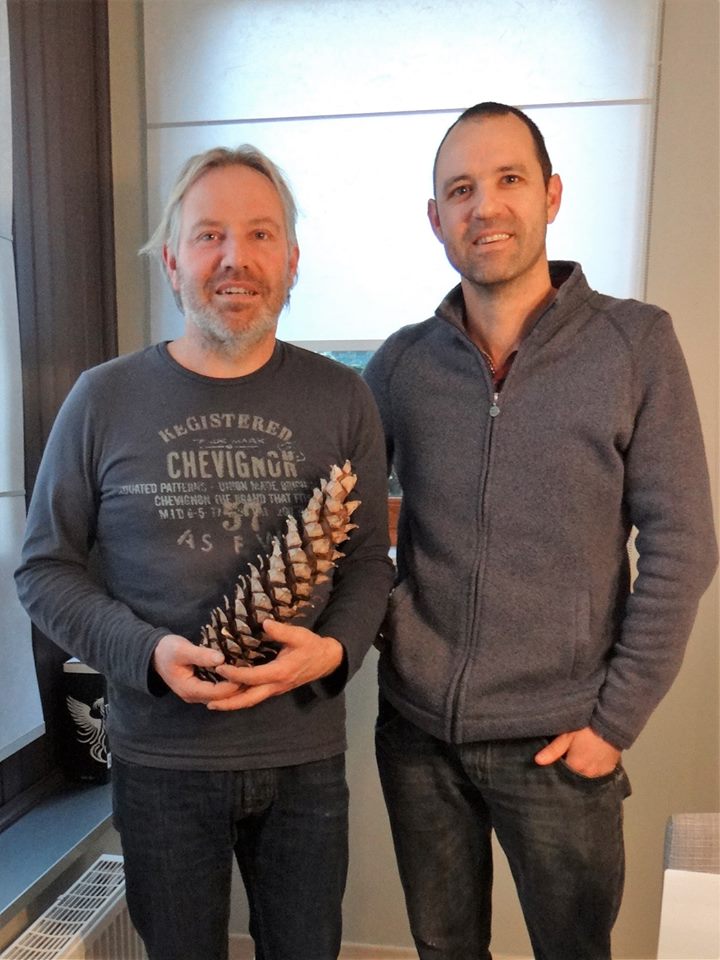
But that's not all. Our meeting is actually two days earlier. Wednesday, November 7, Cédric arrives in Bastogne to spend two short days there. He discovers our gardens and our passion and this meeting is only shared around the plant. We meet each other, that this world is even larger than we thought. We push our limits again and discover a real crazy nature.

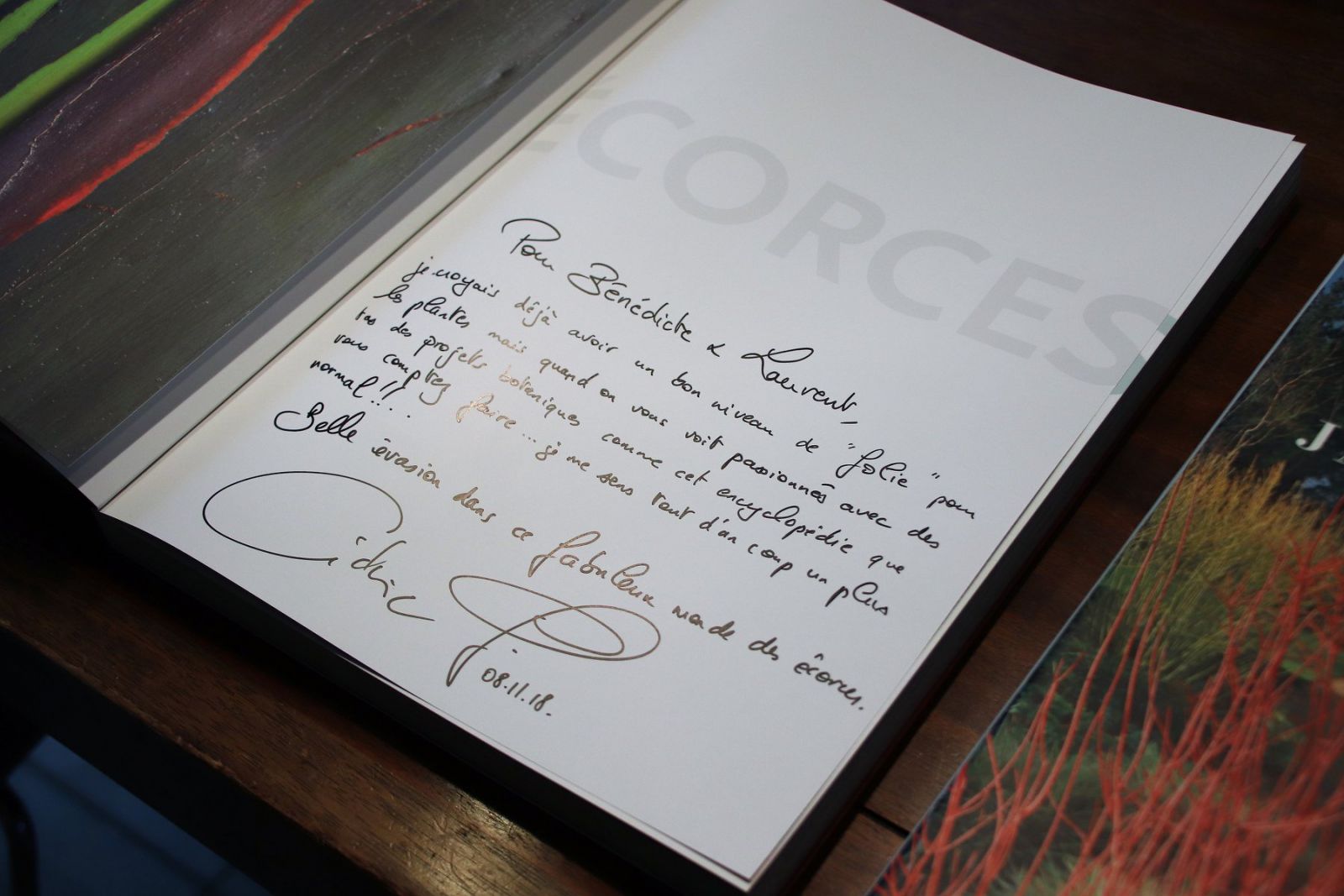
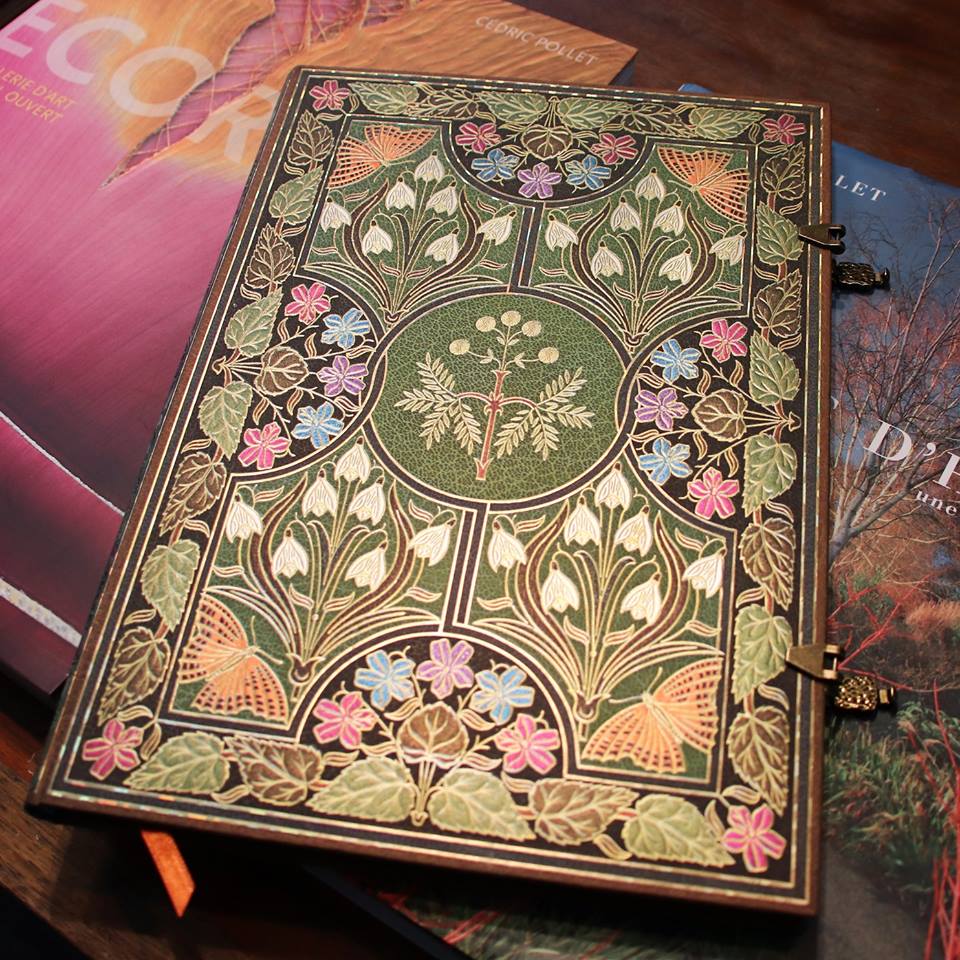
We give him cones and he brings us beautiful postcards of his works that you can also buy on his site. It also leaves, for our attention, two more delicate notes, in dedication of his 2nd book and in our guest book.


We are delighted with this beautiful meeting, as only the world of plants has the secret. From now on, it's certain, we will not look at the bark in the same way and as soon as we cut or cut a tree, we will think of Cedric and keep him a nice sample to complete his xylotheque.


Three hours of contemplation of the Euonymus bungeanus 'Dart's Pride'


Pages