A small tree extinct in the wild that owes its survival to a plant enthusiast named John Bartram who sowed it more than two centuries ago in his Philadelphia garden.
Franklinia alatamaha
Vernacular name:
Franklin's Tree
Famille:
Theaceae
Les jardins du florilège
Les jardins du florilège
Les jardins du florilège
Classification
Trees and shrubsClimate
Zone 8: from -12°C to -7°CLeaf color
- Red
- Green
Flower color
- White
- Yellow
Sun exposure
- Sheltered winds
- Part shade
Size
3 to 5m
1 to 2m
Type de sol
- Acidic
GENERAL DESCRIPTION
- RIGIN: Named in honor of Benjamin Franklin and the Georgian Alatamaha River where it was discovered in October 1765. North America. (Alatamaha River valley, located in the state of Georgia
- CLIMATE: Able to withstand short frosts of around -15°C.
- EXPOSURE: Partial shade.
- SOIL: It likes well-drained, sandy, humus-rich, peaty and acidic soils.
- GROWTH: Slow.
- MULTIPLICATION:
- PRUNING:
- USE:
- MERIT:
GENERALE PHYSIOLOGY
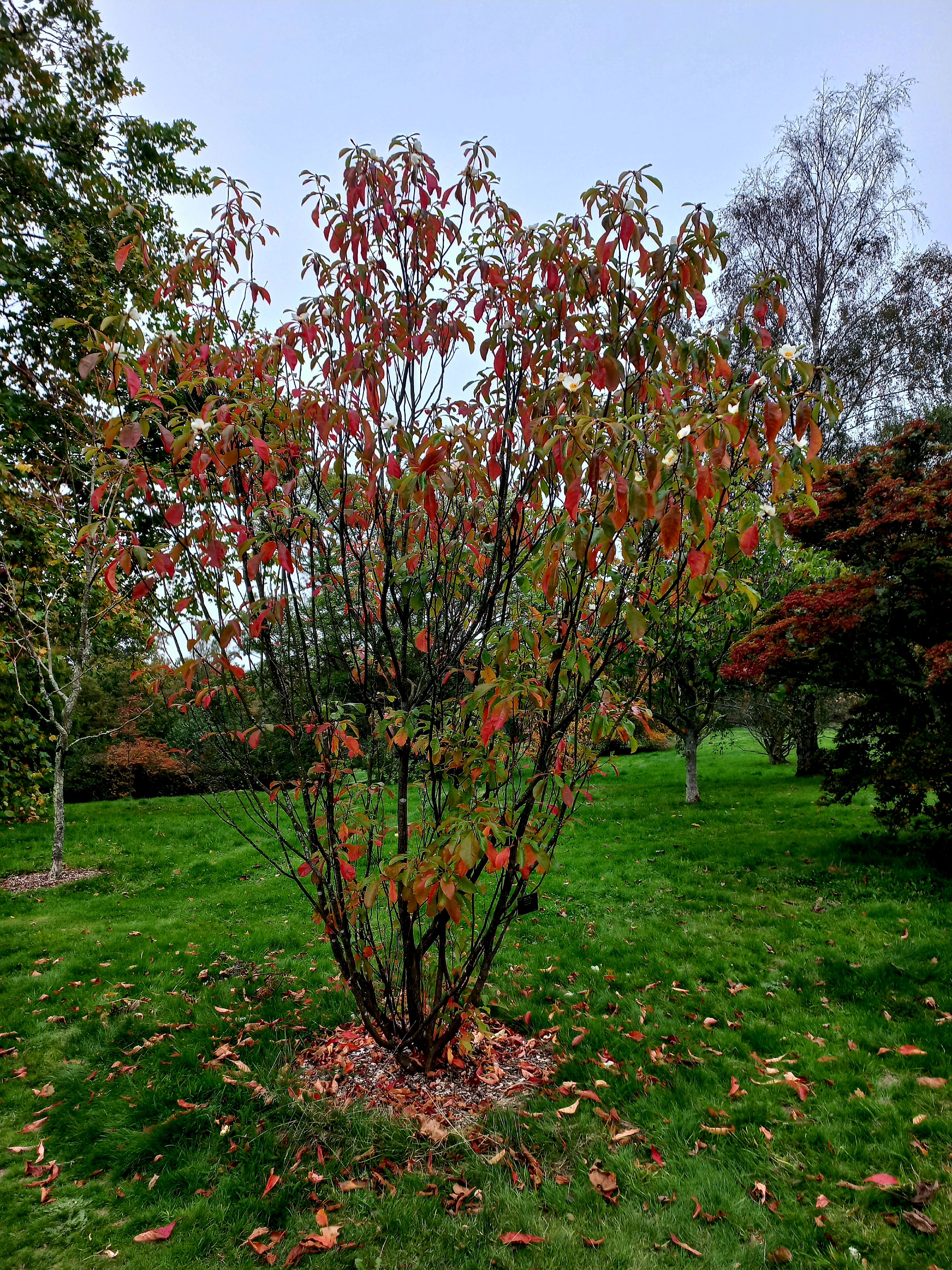
- DIMENSIONS: Can reach 3 to 5m.
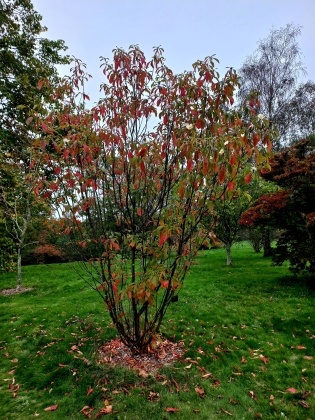
- PORT: Small tree with a single, fairly short trunk topped by a more or less rounded pyramidal crown, or in a more bushy form, anchored on multiple trunks.
- TRUNK:
- BARK:
- BRANCHES :
- NOTE:
PHYSIOLOGY OF LEAVES
- SHAPE: Composed of large leaves arranged alternately.
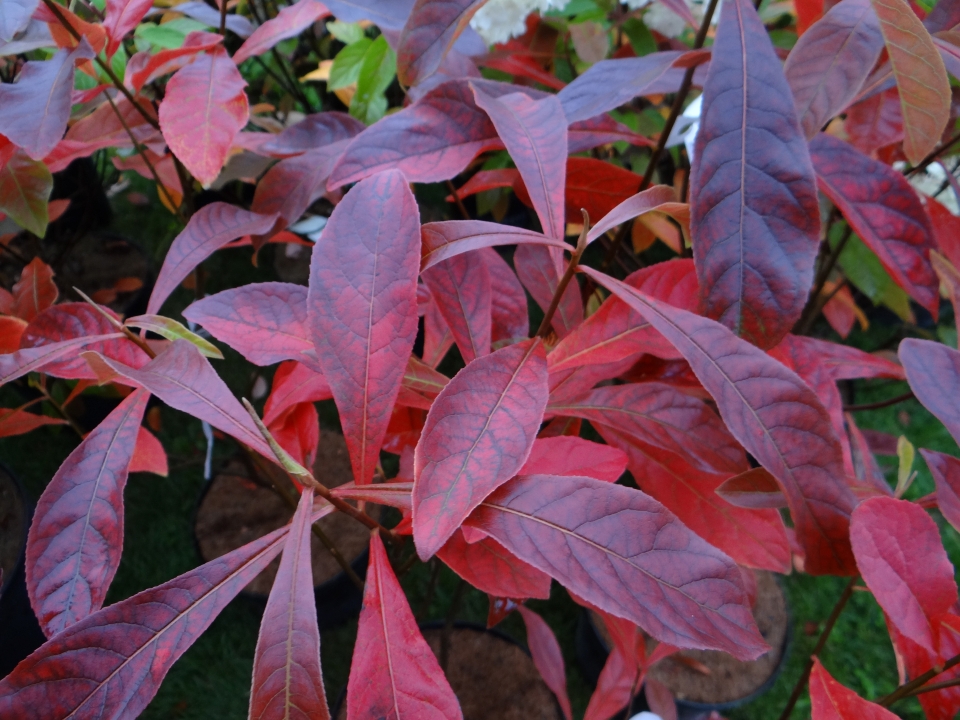
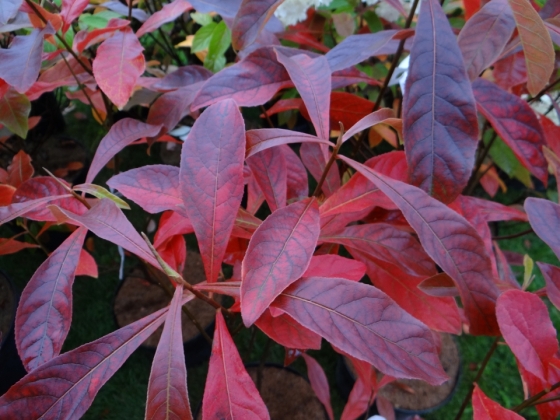
- COLOUR: Dark green, glossy, ending in red.
- NOTE: Caduc.
PHYSIOLOGY OF FLOWERS
- PERIOD: September to December.
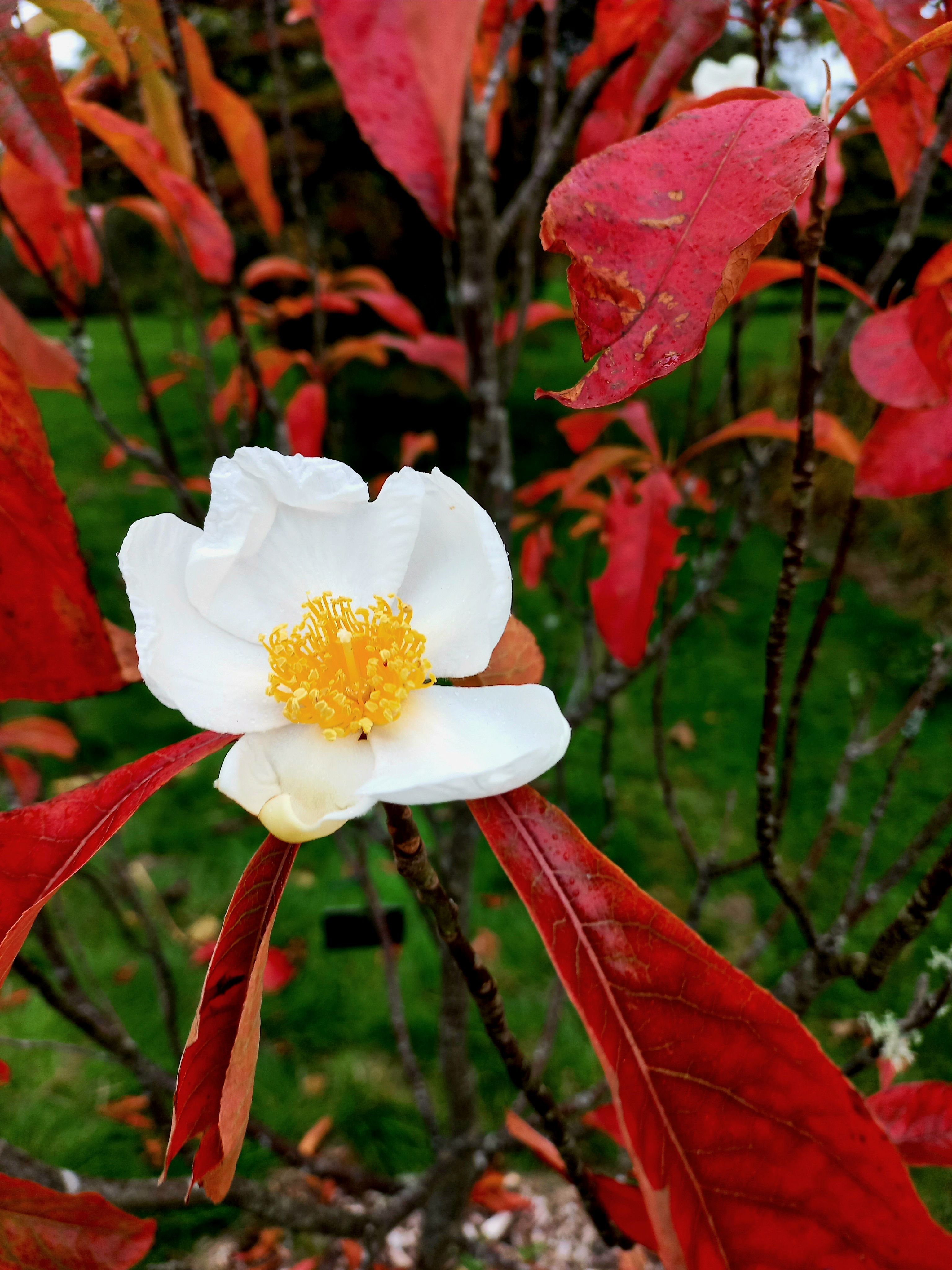
- SHAPE: Solitary, 8cm in diameter. Resemble those of a single-flowered camellia.
- COLOUR: White with a yellow centre.
- NOTE: Lightly scented, violet fragrance.
PHYSIOLOGY OF FRUIT
- SHAPE: woody and round capsules 2 cm in diameter. Each capsule is divided into 5 compartments, each containing 1 to 2 seeds.
- COlOR:
- SEEDS:
- NOTE :