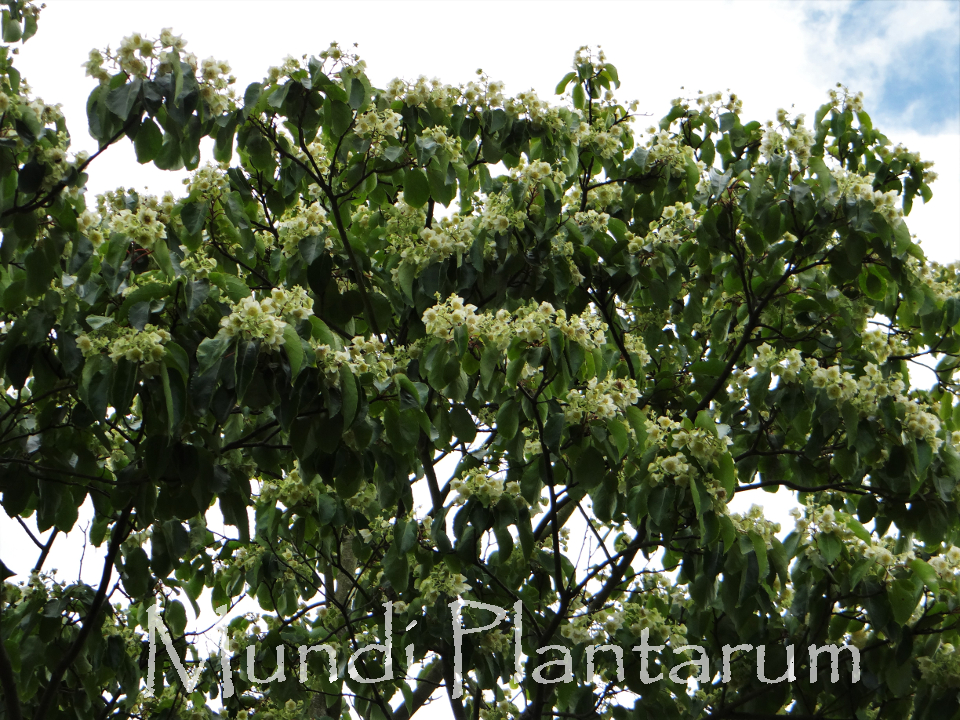
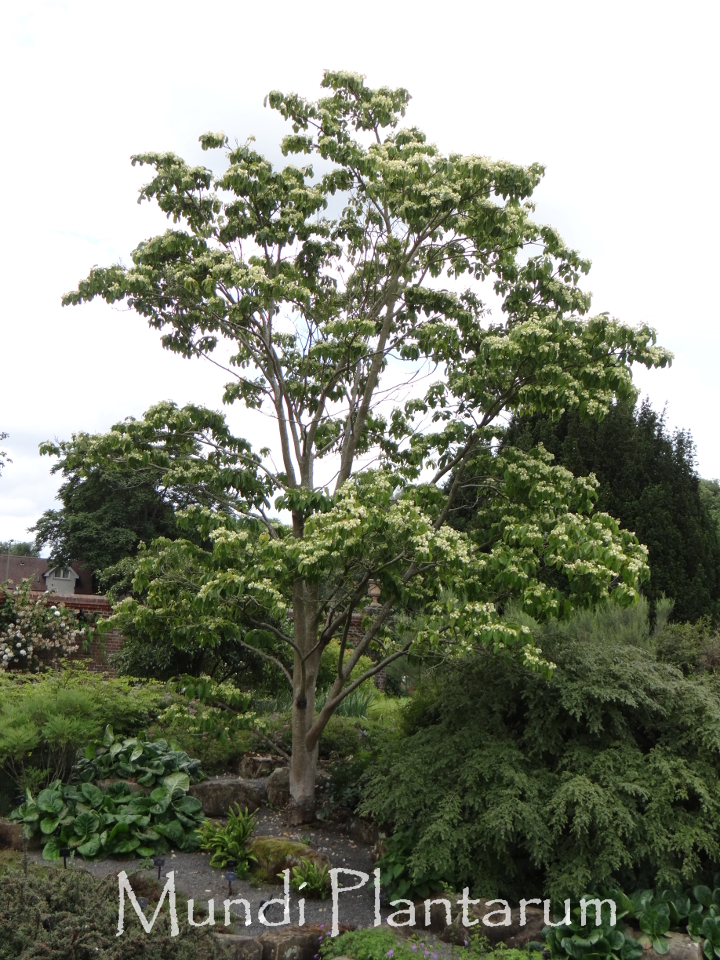

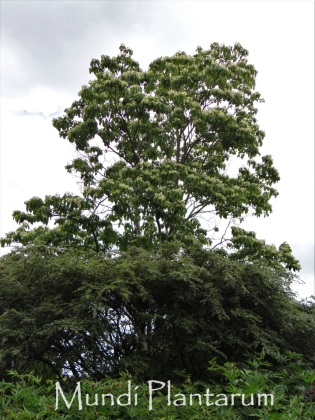
A very rare small tree with superb white flowers. It rarely exceeds 3 to 5 meters in height.
Carrierea calycina
Vernacular name:
Carrierea calycina
Famille:
Salicaceae
Les jardins du florilège
Les jardins du florilège
Les jardins du florilège
Les jardins du florilège
Les jardins du florilège
Classification
Trees and shrubsClimate
Zone 8: from -12°C to -7°CLeaf color
- Green
Flower color
- White
- Cream
Sun exposure
- Sheltered winds
- Sunny
- Part shade
Size
5 to 10m
1 to 2m
Ornamental interest
- Flower
Notable plant
- In summer
Type de sol
- Acidic
- Neutral
Garden use
- Parterre
GENERAL DESCRIPTION
- ORIGIN:China, subtropical Asia (southern China: Guangxi, Guizhou, Hubei, Hunan, Sichuan, Yunnan). Forests, at altitudes between 1300 and 1600 m. It was introduced to Europe in 1908 by E. Wilson.
- CLIMATE: Withstands -10°C.
- EXPOSURE: Sunny to partial shade.
- SOIL: Humus-rich and moist. Well-drained.
- GROWTH: Slow.
- PATHOLOGY:
- PROPAGATION: Sowing.
- PRUNING:
- USE:
- MERIT:
- USUAL NAME :
- SYNONYMUS :
GENERAL PHYSIOLOGY
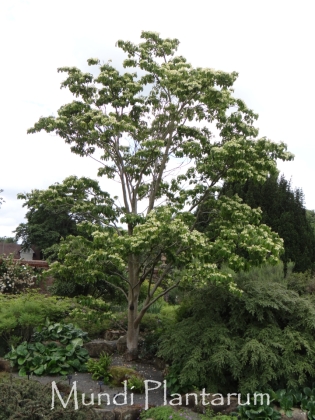
- DIMENSIONS: Can reach 5 to 6 m in Europe and 12 to 16 m in its native country. At Hillier, it measures approximately 10 m tall..
- PORT: The tree has a broadly spreading shape and crown.
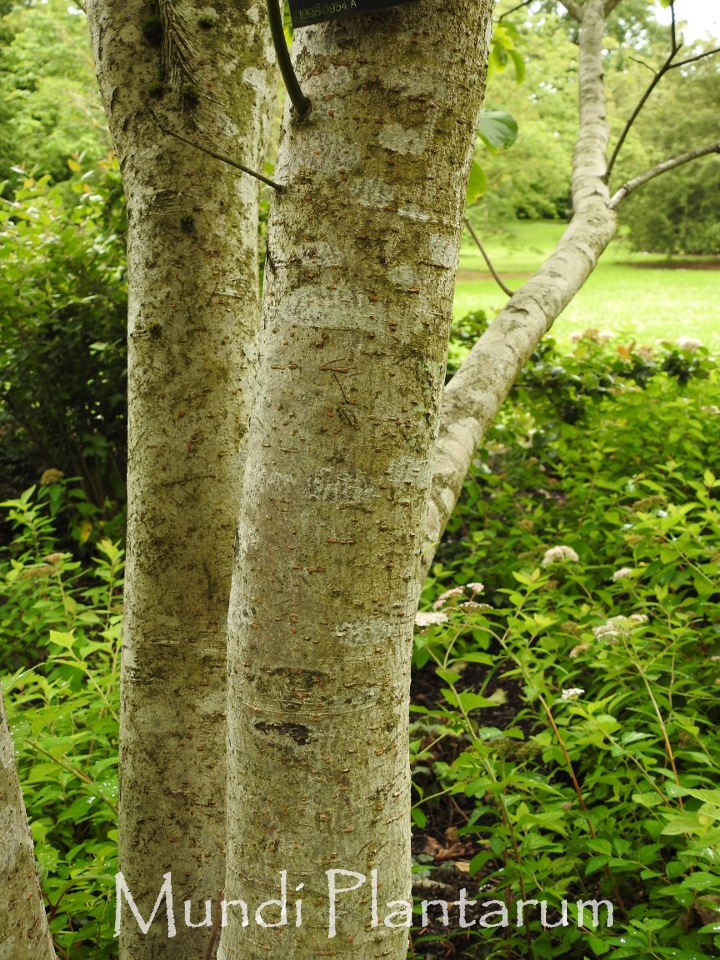
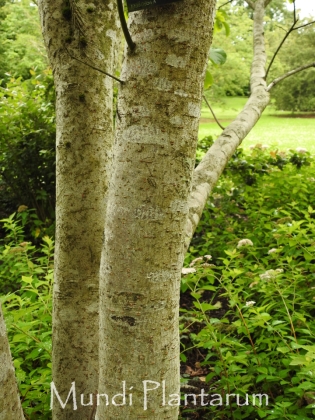
- TRUNK: Often multi-trunked.
- BARK: Grey-brown, smooth.
- BRANCHES :
- NOTE: Rare plant.
PHYSIOLOGY OF LEAVES
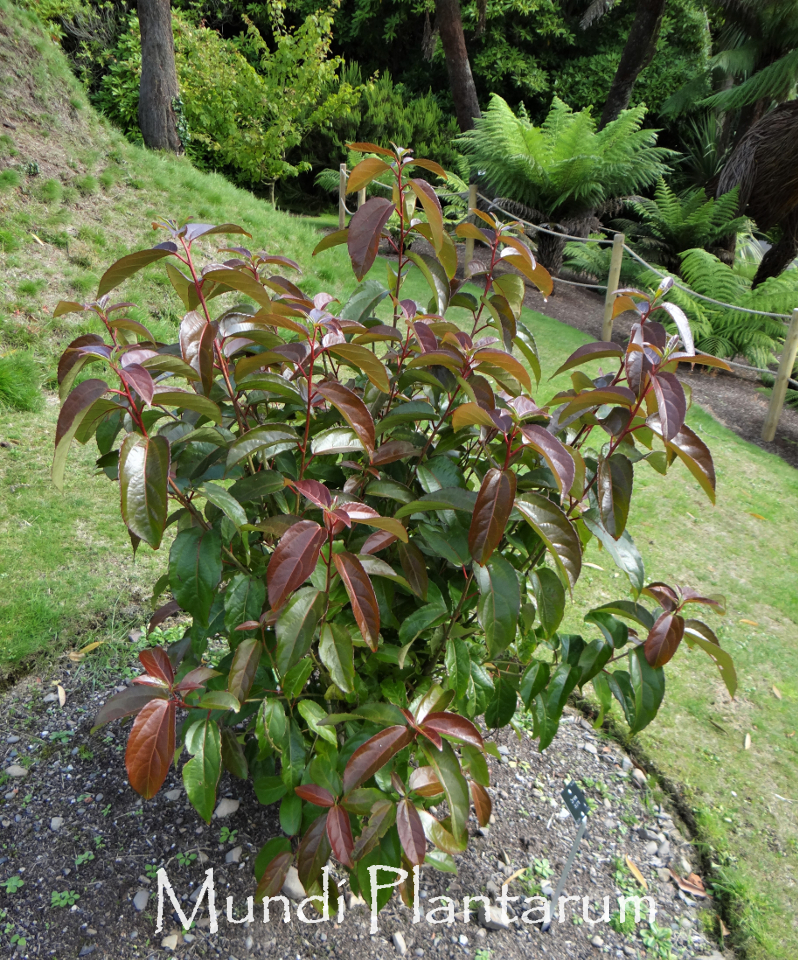
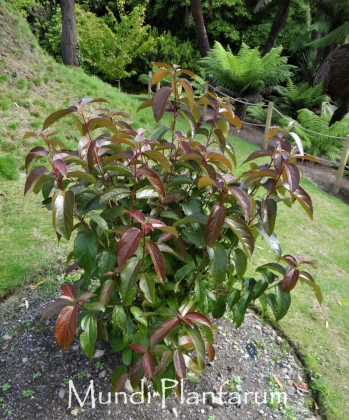
- SHAPE: Oblong-oval or oblong (length: between 9 and 14 cm, width: between 4 and 6 cm), somewhat leathery, with a rounded base, serrated margins, an acute apex, and a tomentose petiole (length: between 3 and 7 cm). Leaves alternate and simple. Petiole red in color.
- COLOUR: has bright green leaves in summer and spring; they emerge green tinged with red.
- BUDS:
- NOTE: Extinct. May persist in its country of origin.
PHYSIOLOGY OF FLOWERS
- PERIOD: June-July. Earlier in his country of origin (May).
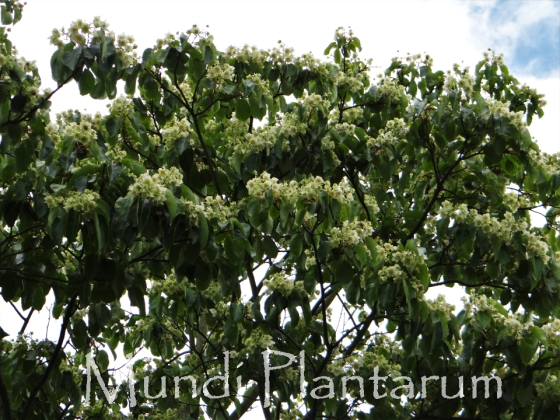
- FORM: The flowers are composed of 5 large sepals. They resemble lanterns, are unisexual (dioecious), with oval sepals (length: between 15 and 18 mm), grouped in terminal, few-flowered, tomentose panicles
- COLOUR: White.
- NOTE: Lightly fragrant. Flowering and seed production may be sporadic. Very slow to flower; patience is required, taking approximately 7 to 8 years.
PHYSIOLOGY OF FRUIT
- SHAPE: Fusiform capsules, dehiscing by 3 valves. (length: between 30 and 50 mm).
- COLOR:
- SEEDS:
- NOTE :